It’s getting harder to ignore, some of the world’s biggest cities are slowly turning into places people might no longer want to live in. The unbearable heat and vanishing water supplies mean that these possibilities aren’t too far in the distant future. They’re happening faster than most of us thought possible.
Aden, Yemen
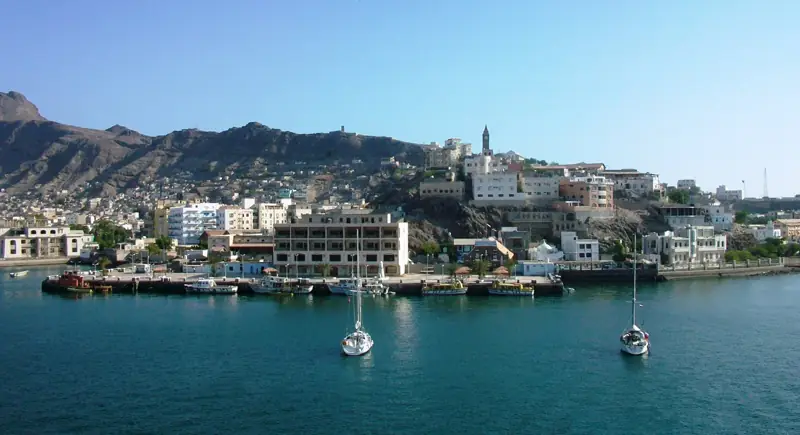
By 2030, Aden is projected to experience around 107 days each year with dangerously high wet-bulb globe temperatures over 32°C. Paired with limited healthcare, water shortages, and food insecurity, this rising heat stress poses serious risks to public health and could worsen Yemen’s already severe humanitarian crisis.
Miami, United States of America
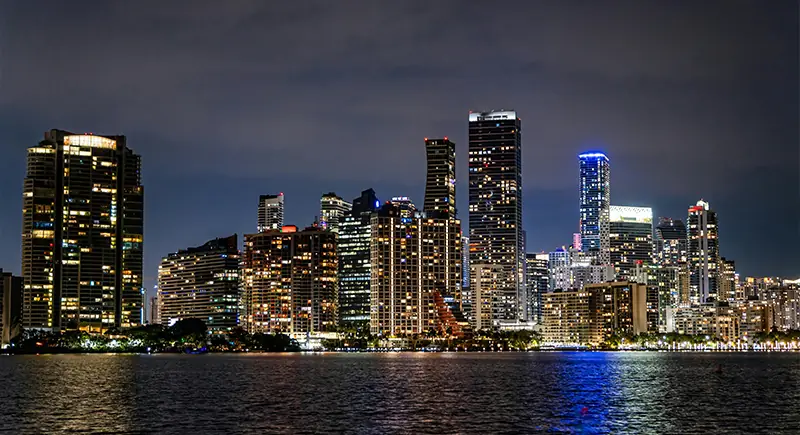
The streets of Miami could be swamped by the end of the century. Rising seas threaten over 3.3 million residents, especially in low-lying areas like Miami-Dade and Broward. The porous limestone foundation doesn’t help; seawater can rise up through the ground and make traditional flood defenses less effective than in other cities.
Lagos, Nigeria
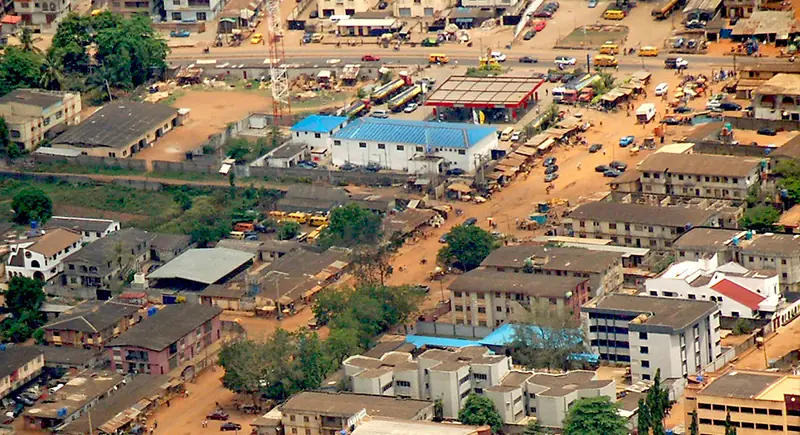
Lagos experiences up to 108 hours per year above deadly heat thresholds and is also vulnerable to sea-level rise because of its low-lying location on a lagoon. According to the United Nations and several climate resilience studies, the combination of rapid population growth, poor infrastructure, and coastal exposure places it among Africa’s most climate-threatened megacities.
Shanghai, China
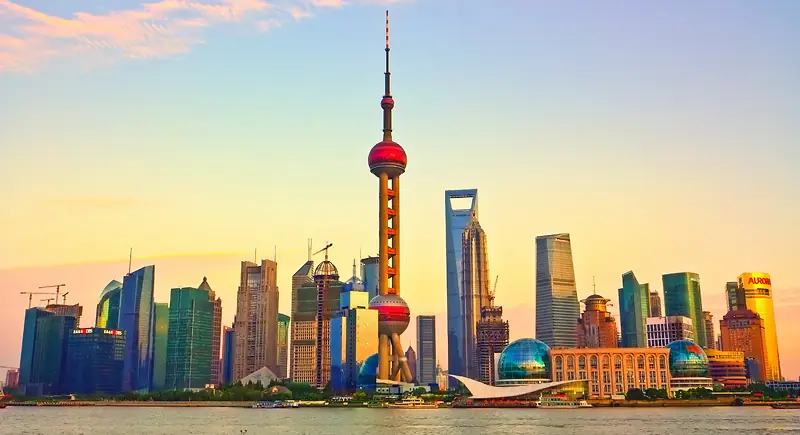
Shanghai is China’s financial powerhouse and a future climate hotspot. By the late 21st century, it may face more than 320 hours a year of life-threatening heat levels. Wet-bulb temperatures are expected to exceed safe limits regularly, driven by a combination of humidity, pollution, and urban heat intensification.
Jakarta, Indonesia
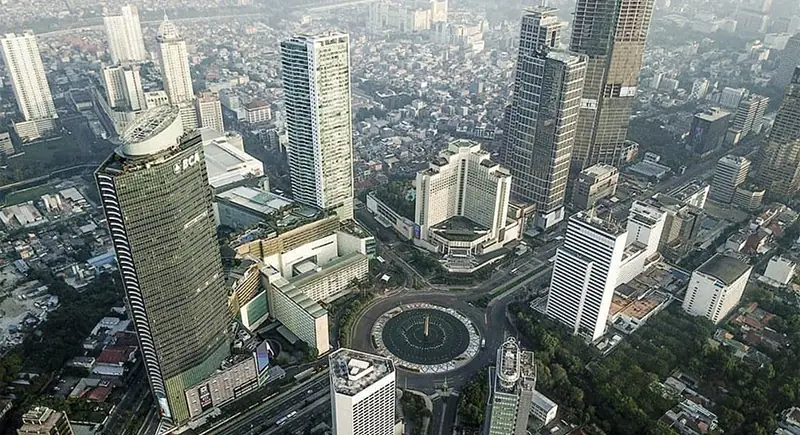
Jakarta is sinking due to excessive groundwater extraction and faces relentless flooding. The Indonesian government plans to move its capital to East Kalimantan to avoid the worst-case scenario: most of North Jakarta will be underwater by mid-century.
Bandar Abbas, Iran
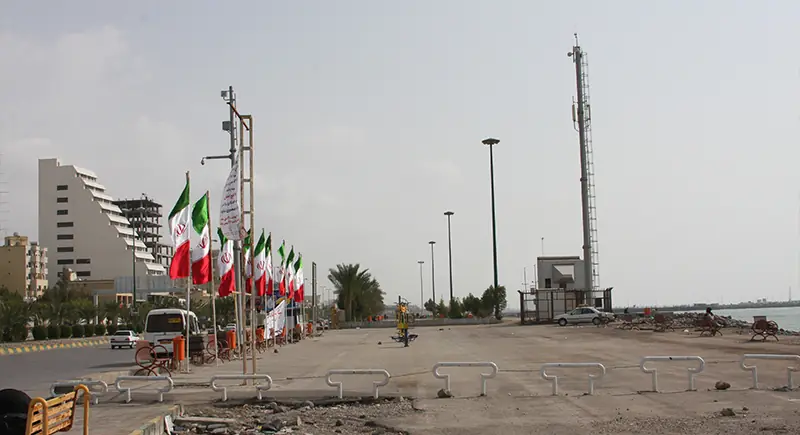
Bandar Abbas, Iran, is projected to exceed the critical 35°C wet-bulb temperature multiple times by 2100 under high-emissions scenarios. Studies show it already records Iran’s highest summer heat stress, with WBGT reaching 37.1°C.
Dhaka, Bangladesh
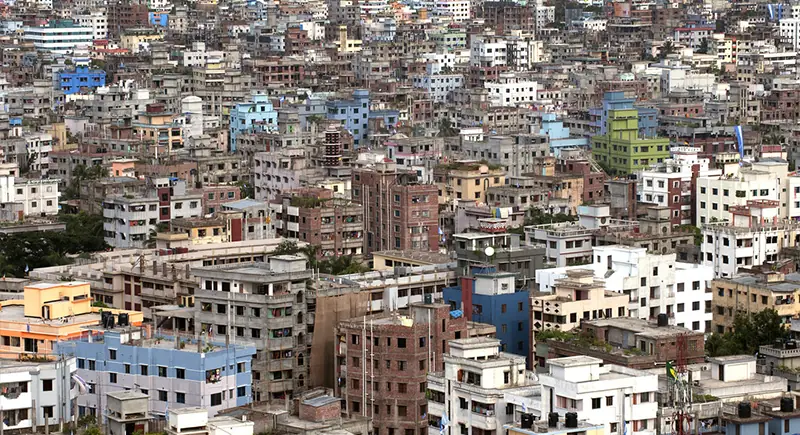
Dhaka, Bangladesh, is no stranger to climate extremes. The city faces growing threats from deadly heat and worsening floods. Future forecasts suggest over 340 hours annually of dangerous heat conditions. Add in overcrowding and frequent riverbank erosion, and Dhaka becomes a prime example of a city in a climate crisis.
New Orleans, United States of America
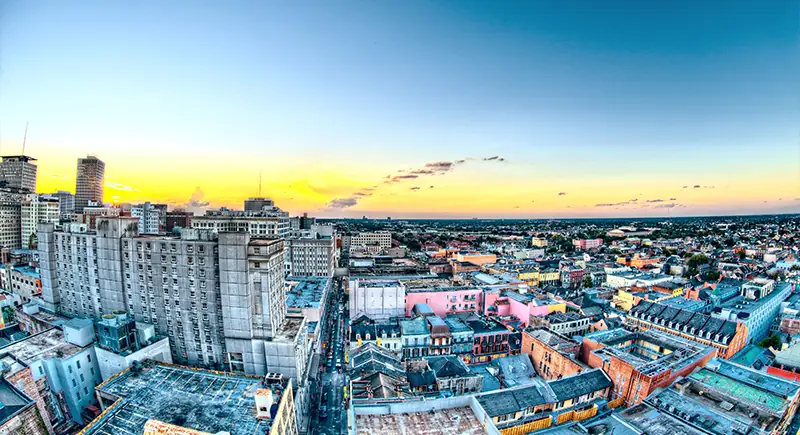
New Orleans still hasn’t escaped the shadow of Katrina. Even a moderate sea-level rise of 3 feet could inundate one-third of the city. The storm surges and tidal floods further mean that entire neighborhoods, especially lower-lying ones, could vanish. Coastal erosion and disappearing wetlands only make this iconic city more vulnerable every year.
Chicago, United States of America
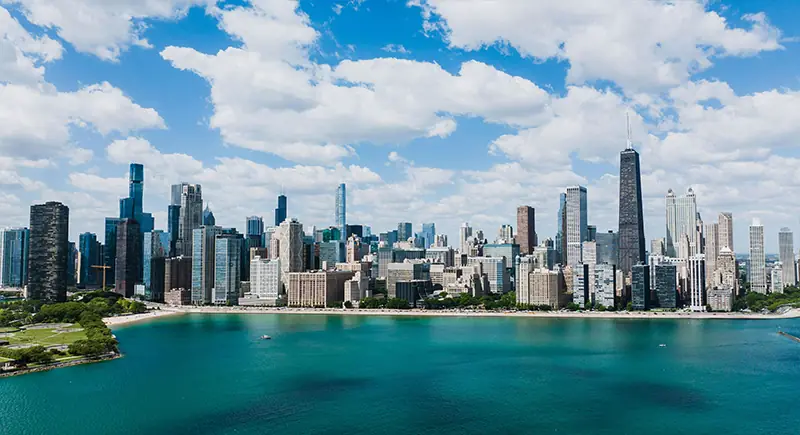
Chicago, known for its frigid winters, is also at risk for extreme summer heat. In 1995, over 700 people died during a deadly heat wave. Scientists warn that such events could return at any time, especially as climate change fuels hotter, more humid Midwest summers. Infrastructure upgrades remain critical but slow.
Dubai, United Arab Emirates
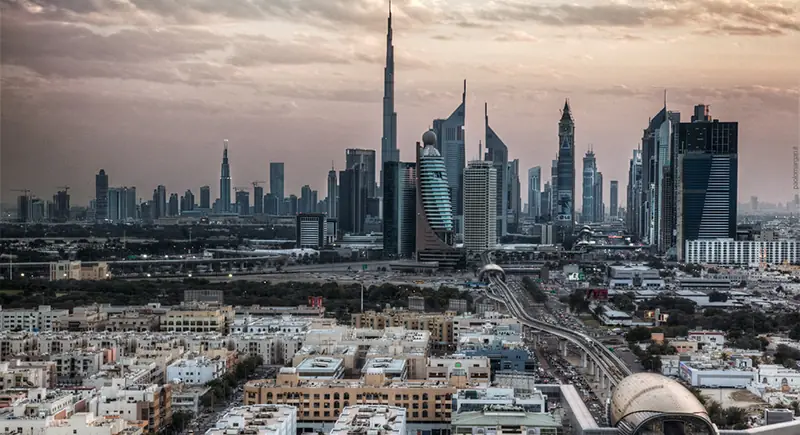
Dubai’s scorching future is arriving fast. By 2070, daily highs could hit 113°F, with wet-bulb readings near or above fatal levels. Already, summer in the city often means staying indoors. Without major interventions, outdoor labor, tourism, and even basic daily life could face dangerous constraints by mid-century.
Beijing, China
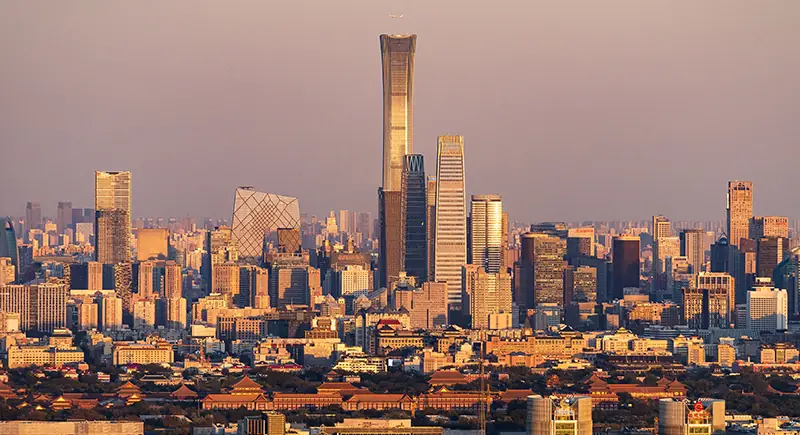
Beijing is heating up in more ways than one. By 2100, it will face over 120 annual hours of extreme heat and deal with choking air pollution. Thick smog has become part of daily life and drives up respiratory illness rates.
Ha Noi, Vietnam
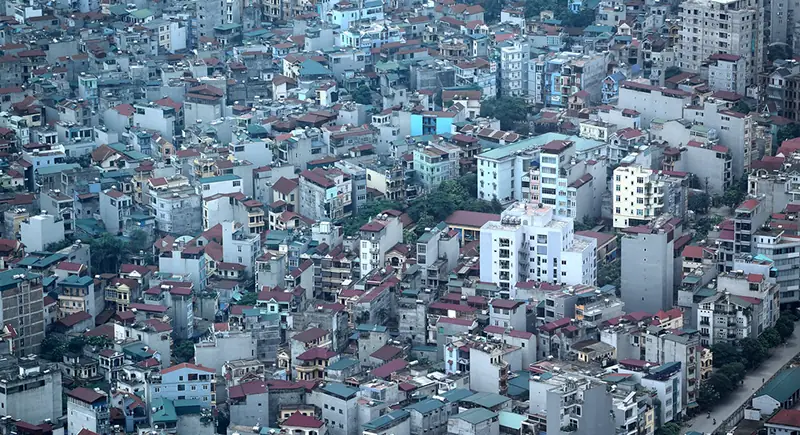
According to climate models, Ha Noi, Vietnam’s capital, could experience over 100 days annually with heat index levels above 54°C by 2100. Rapid urbanization and the urban heat island effect already raise city temperatures by 1–2°C.
Karachi, Pakistan
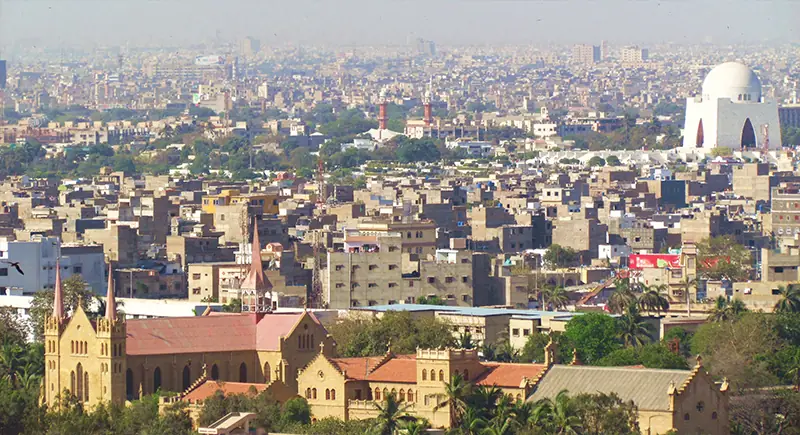
Karachi is already familiar with heat-related disasters. In 2015, temperatures soared above 113°F, killing over a thousand people in just a few days. By the century’s end, it may face more than 450 hours of lethal heat annually. Persistent power outages and poor housing make climate resilience even harder to achieve.
Khartoum, Sudan
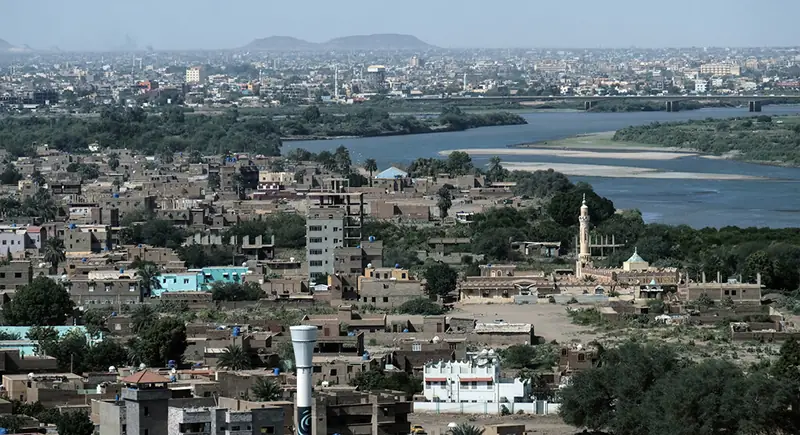
Khartoum, located at the confluence of the White and Blue Nile, could see more than 100 hours annually above the wet-bulb safety threshold by the end of the century. According to IPCC assessments, it faces intensifying heat and water stress, compounding political and economic instability in Sudan.
Bangkok, Thailand
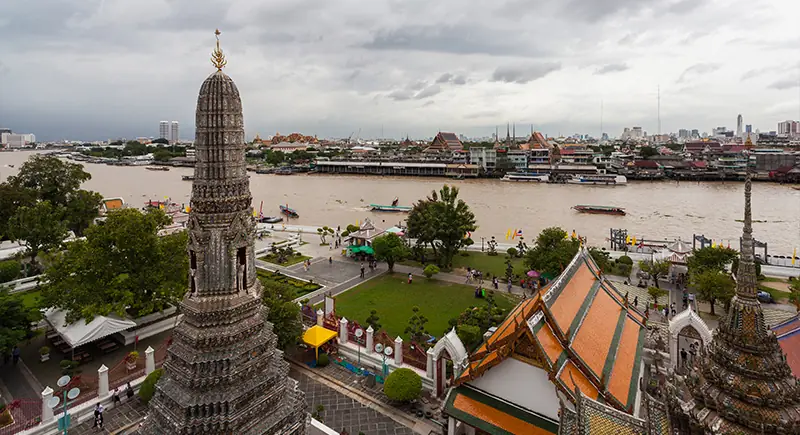
Bangkok is facing heat from both above and below. The Thai capital is slowly sinking while climate models show it enduring more than 100 hours per year of potentially fatal heat by 2100. High humidity and poor air circulation worsen the effects.
Phoenix, United States of America
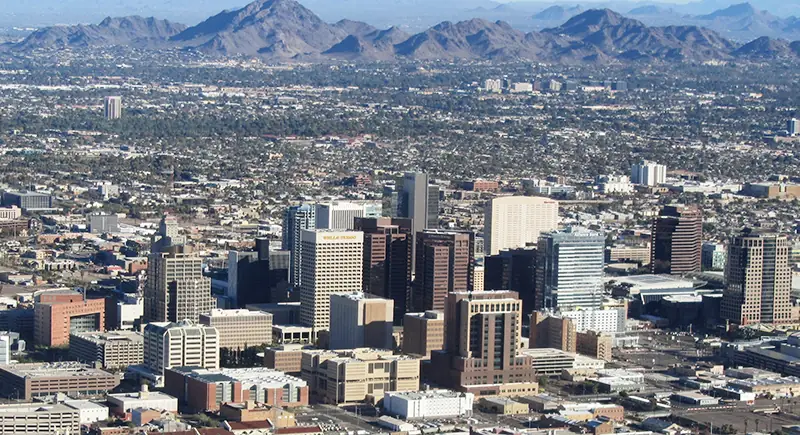
Summer in Phoenix already pushes people indoors for long stretches, and forecasts point toward more extreme heat in the decades ahead. The city depends on water from the Colorado River, a source under growing strain. As temperatures rise and supplies tighten, daily life could become harder for millions of residents.
Venice, Italy
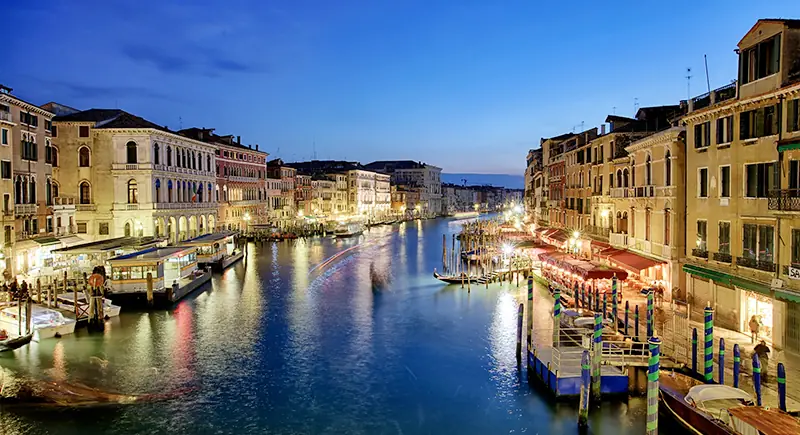
Water has shaped Venice for centuries, but it now poses one of the city’s biggest challenges. High-tide flooding reaches streets and public squares with increasing frequency, while rising sea levels add pressure to aging infrastructure. Residents have watched the city adapt for years. The question is how long those defenses can keep pace.