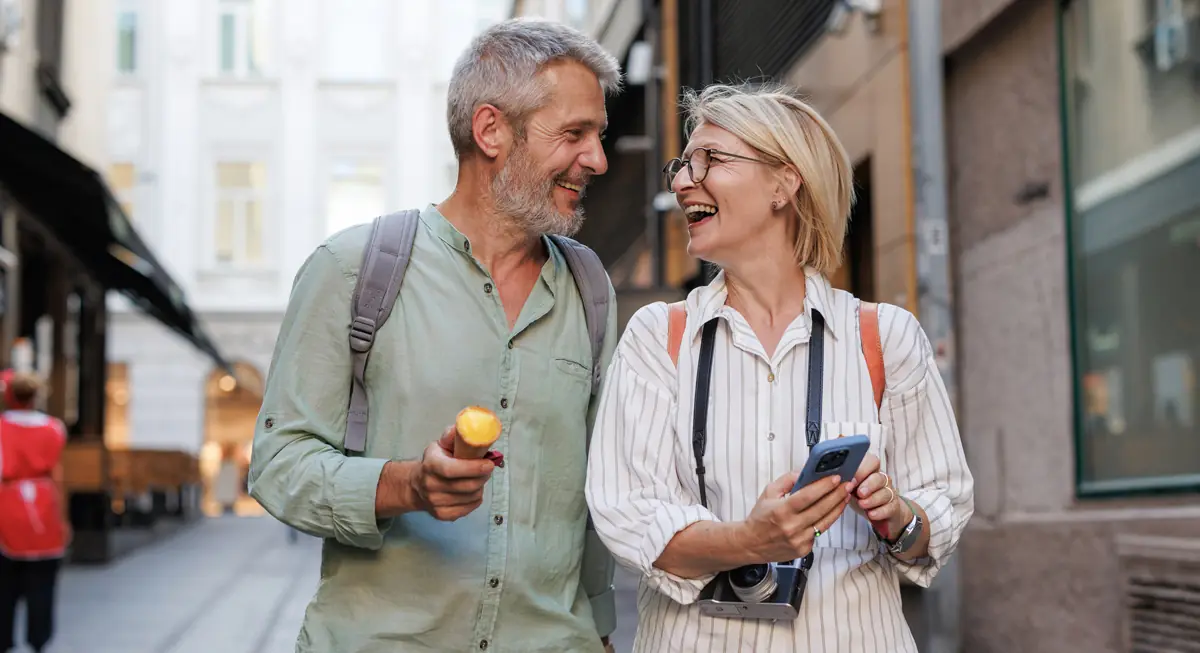
Travel doesn’t slow down as you grow older; it just changes lanes. Where once you chased bucket lists and sunrise hikes, now you might find joy in an empty bench, a long lunch, and the feeling of finally being somewhere instead of racing through it.
Age teaches you to savor pauses and find warmth in familiarity. These joys become more meaningful the longer you travel.
Ordering Coffee Without a Word
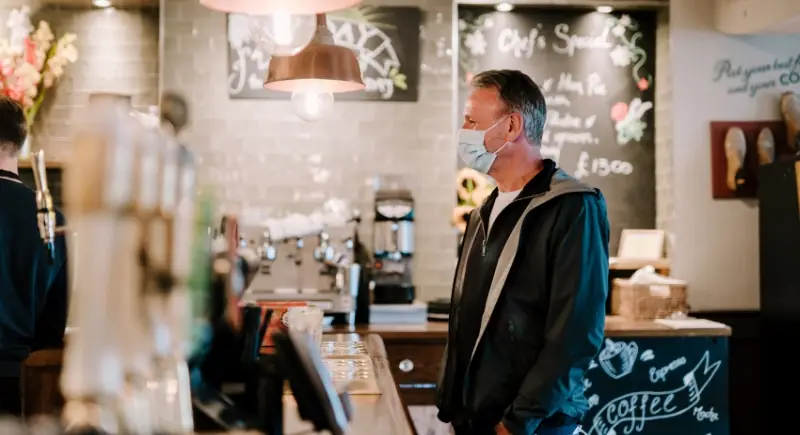
That first cup abroad doesn’t have to come with fluency. Just a nod, some pointing, and you’ve got something warm in your hands. The transaction feels more human than transactional. With age, you don’t overthink the language barrier. You just enjoy the fact that a small ritual connects you across miles.
Keeping Traditions That Travel With You
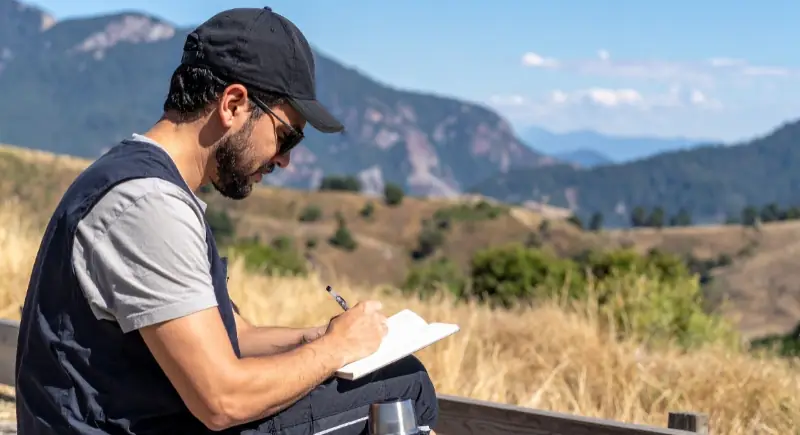
Over time, you develop personal rituals. For instance, it could be the first thing you buy, the way you unpack, or the journal you keep. These small constants make unfamiliar places feel more navigable. These habits don’t come out of superstition, but a sense of self you’ve built across years of motion.
Noticing What Stayed the Same
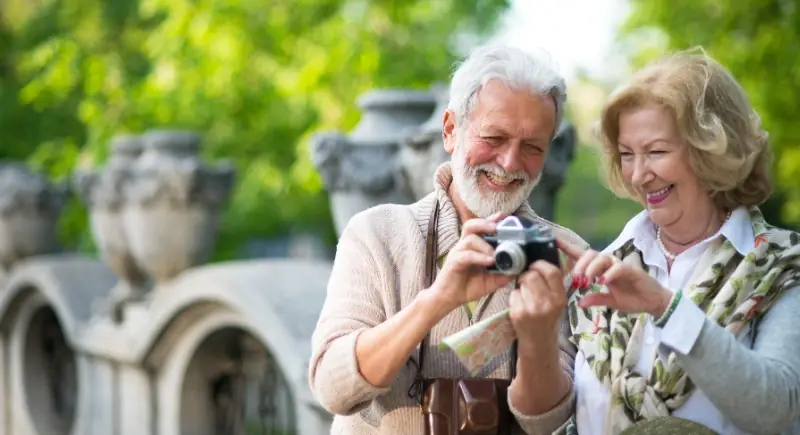
Revisiting a city years later lets you compare more than then and now. It shows what resisted change. A cracked tile, a painted sign, or a stall in the same spot as before. The older you get, the more value you place on these small, unaltered anchors across time.
Calling It a Day Without Guilt
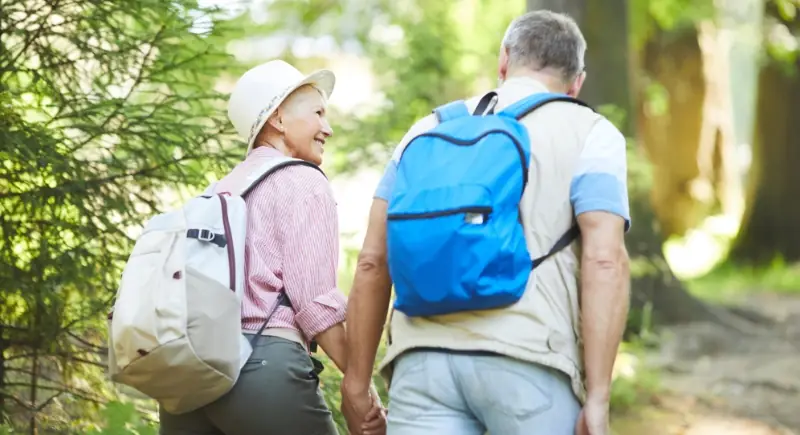
Older travelers know when enough is enough. A satisfying lunch might be the main event. One museum done well is enough. You don’t worry about maximizing the day. You measure value differently now, which lies in moments of clarity, not volume of attractions.
Putting the Camera Down

Years ago, the sunset demanded a dozen photos. Now, everything you see gets your full attention—unfiltered and unrecorded. You’re not focused on capturing the moment for later. You’ve started letting the moment fully land, appreciating its presence without needing proof.
Lingering at the Table

You start treating dining as an experience. You let conversations stretch, you order the dessert, and you don’t mind staying for another glass. The urgency to sample everything has been replaced with satisfaction in one good meal, eaten without watching the clock.
Recognizing When People Are Being Kind
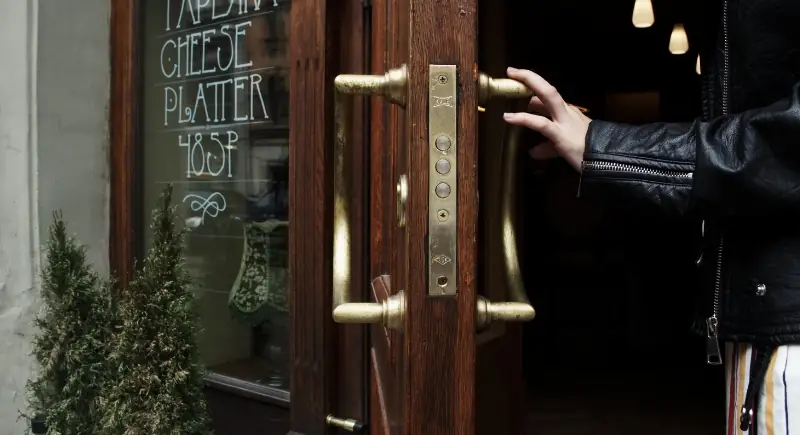
You start noticing details: someone holding a door a little longer, a vendor rounding your bill down. These things register more as you get older, not as surprise gestures, but as travel’s real glue. Eventually, these passing interactions become the ultimate reasons why you’d return to a certain destination.
Admiring Good Systems

Efficient transportation feels like a small miracle. No breakdowns, no scrambling—just smooth logistics. A well-run train network, a clearly marked transfer, or a bus arriving to the minute makes your day better. You’ve learned to appreciate the rare pleasure of things working as promised.
Finding a Place That Wasn’t on Any List
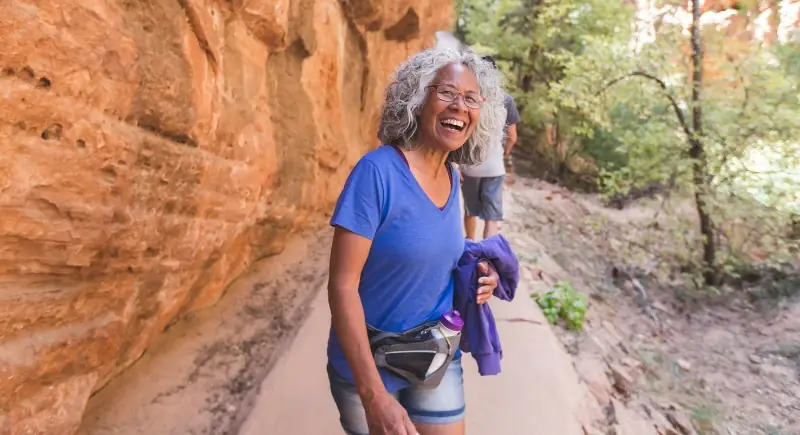
You didn’t plan for the park with the sculpture you stumbled on. Or the alley where a street musician plays just right. Accidental discoveries mean more when you’re not hunting them. They’re a reminder that not everything worth seeing is prepackaged.
Hearing Your Language Far from Home
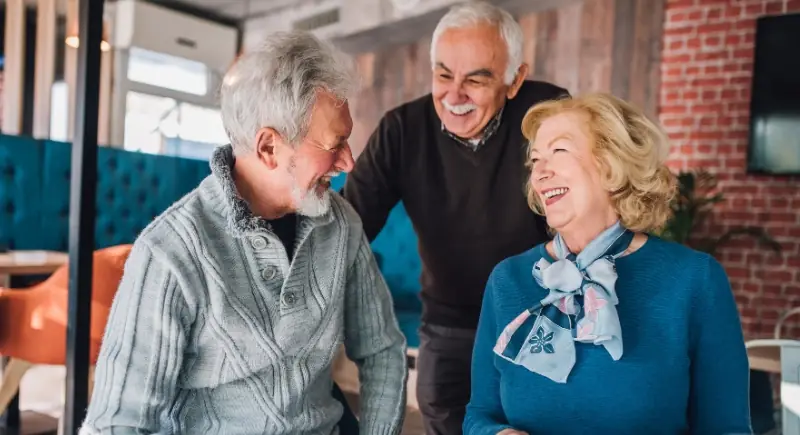
A snatch of familiar speech in a distant market catches your ear. You suddenly do not feel like a stranger in this new place. It reminds you you’re both a part of something larger. And while the adventure continues, it just momentarily stabilizes your world.
Being Alone Feels Comfortable
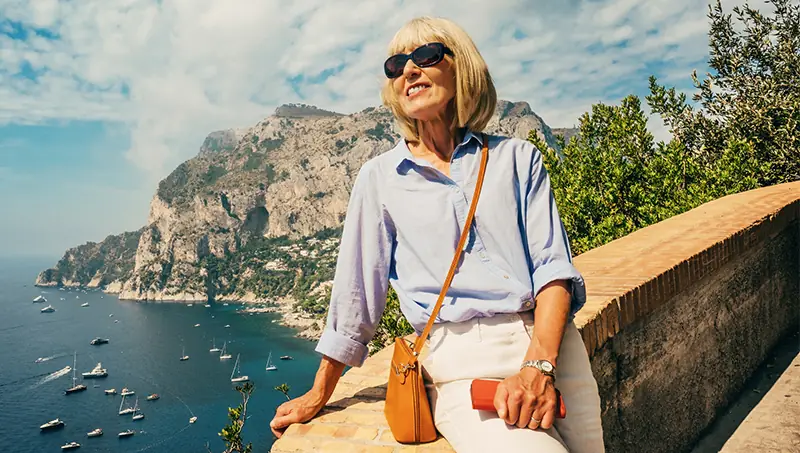
Solo travel becomes easier with age. You enjoy the freedom of not relying on anyone else to plan your itinerary or follow a schedule. Sitting alone, exploring, and even eating on your own doesn’t feel exposed. You follow your whims, shift plans without consultation, and give your attention only where it feels deserved.
Looking Back Without Needing to Prove Anything

You might scroll through photos or spot a worn passport stamp and feel content. And instead of feeling nostalgic, you feel more grounded. Travel’s value becomes less about impressing others and more about what it quietly leaves behind: a memory that stayed, a perspective that shifted, a moment that mattered.
Returning to Places You Once Rushed Through
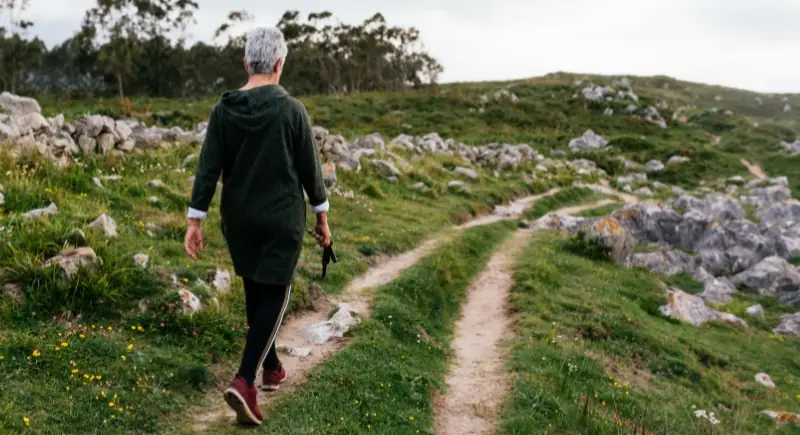
Years ago, you gave a city 12 hours and barely stopped moving. Now you’re back, walking the same streets slowly, seeing what your past self didn’t. Travel becomes more about deepening relationships with places you once barely met.
Realizing Comfort Isn’t Boring
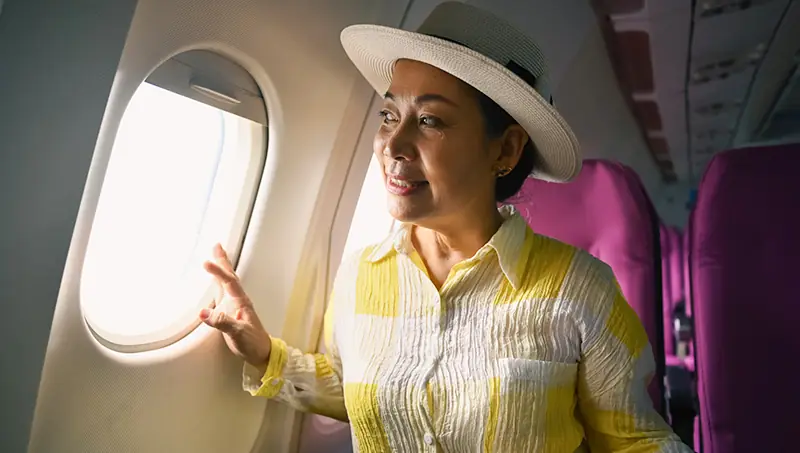
You used to pride yourself on budget bunks and long bus rides. Now, a direct flight and a hotel with good water pressure feel wise, not dull. You understand your limits better. Prioritizing rest and comfort lets you stay engaged longer—and that’s what matters now.
Being Okay with Being a Guest

You no longer need to blend in perfectly. You know you’re a visitor, and you treat the place with care, not conquest. You listen more, ask better questions, and stop assuming every city exists to entertain you. Age humbles you into becoming a better guest.
Traveling at a Slower Pace
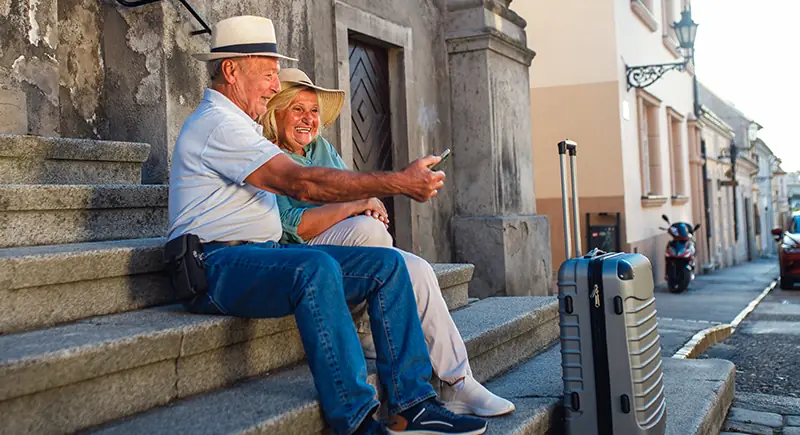
The best part may be the hour you did not plan. You sit under an awning, watch scooters pass, and let the day stretch a little. With age, travel stops feeling like a checklist. Fewer stops can mean better memories, because you gave each place room to breathe.
Reconnecting With Old Friends Around the World
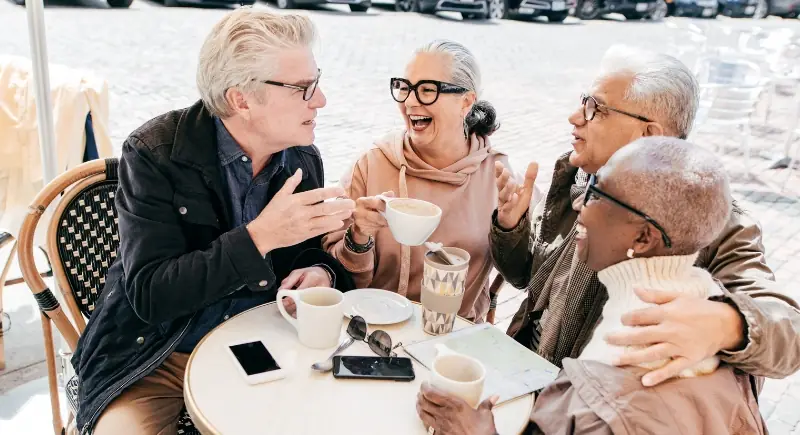
A message turns into dinner. Then the years shrink. Meeting an old friend in another city brings a kind of comfort no guidebook can offer. You share stories, compare wrinkles, laugh about bad directions, and remember that travel is not just about places. It is about who still feels like home.