Some places on Earth look so unusual that they feel out of place at first glance. These landscapes exist because of rare geological conditions, extreme chemistry, or long-term environmental processes. Each location on this list is real and shaped by natural forces that are uncommon but well-documented.
The Door to Hell, Turkmenistan
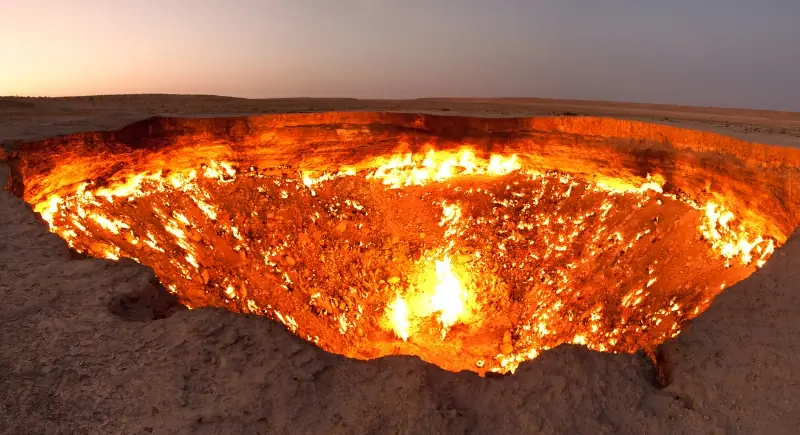
This burning crater in the middle of Turkmenistan’s Karakum Desert has been on fire since 1971. It formed when a Soviet drilling operation accidentally collapsed into a pocket of natural gas. To prevent toxic emissions, geologists set it on fire, expecting the flames to vanish. They never did. Now, the 230-foot-wide pit glows with constant fire.
Lake Hillier, Australia
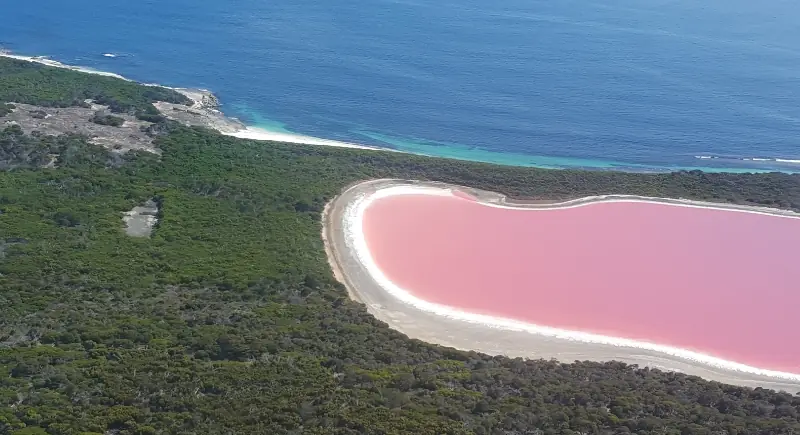
Western Australia’s Lake Hillier is bright pink, and not seasonally or slightly. It holds its bubblegum shade year-round. Scientists think a combination of salt-loving algae, halobacteria, and high salinity causes the color, but no one has nailed down a single explanation. What’s even stranger is that the water stays pink even when scooped into a container.
Fly Geyser, Nevada
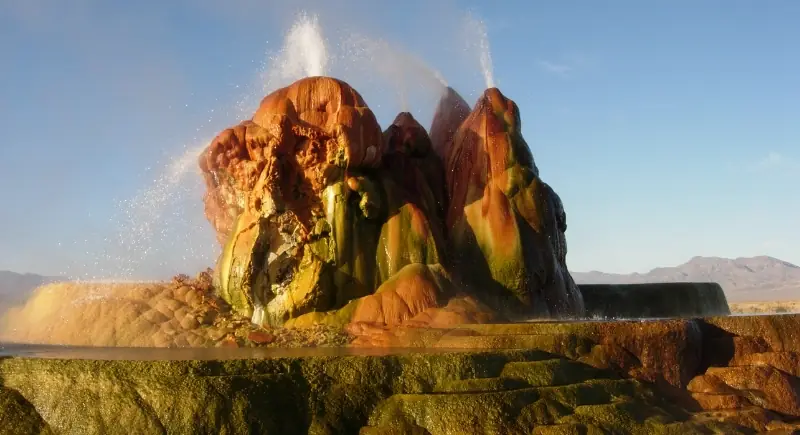
Fly Geyser started forming after a failed 1960s drilling project hit a geothermal pocket. The unsealed well began spewing minerals, and over time, built colorful, otherworldly formations. Its spiky cones now spray hot water continuously. Algae thrive in the moist heat while creating streaks of red and green across the structure.
Rainbow Mountain, Peru
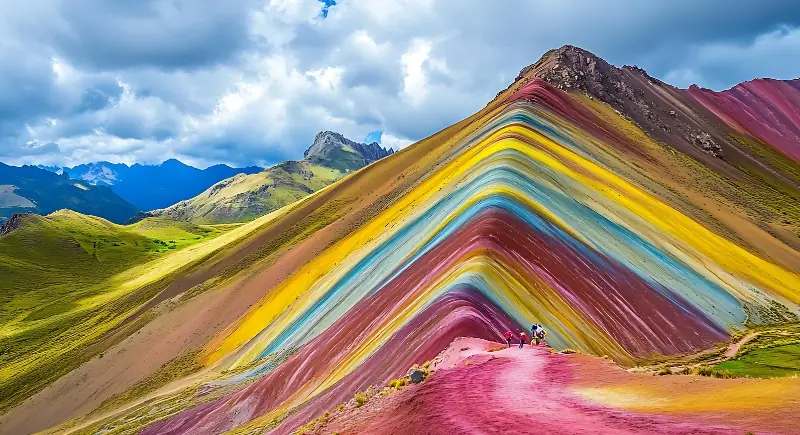
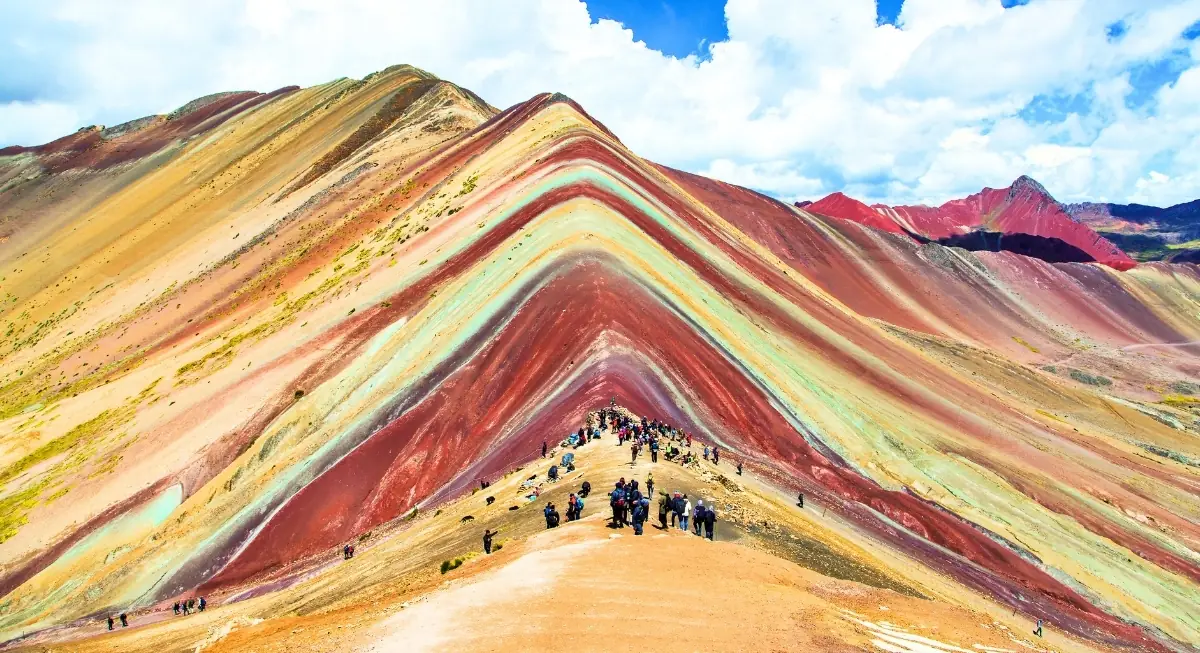
Vinicunca, better known as Rainbow Mountain, is located high in the Andes at over 17,000 feet. The mountain’s bands of reds, greens, yellows, and blues come from centuries of mineral deposits exposed by melting snow. Though it only became widely known in 2015, it’s now a popular trekking destination.
Cave of the Crystals, Mexico
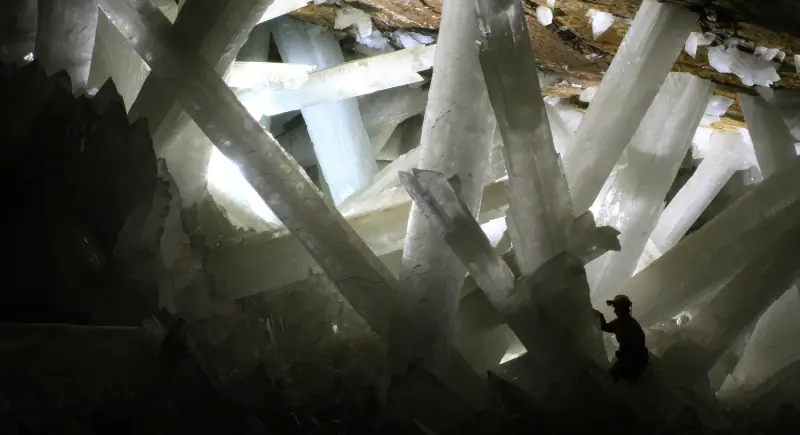
Hidden nearly 1,000 feet beneath the Naica mine in Chihuahua, this cave holds some of the world’s largest natural crystals. These massive gypsum formations stretch up to 36 feet long and weigh over 50 tons. The cave is so hot and humid that researchers can only stay inside briefly without special suits.
Waitomo Glowworm Caves, New Zealand
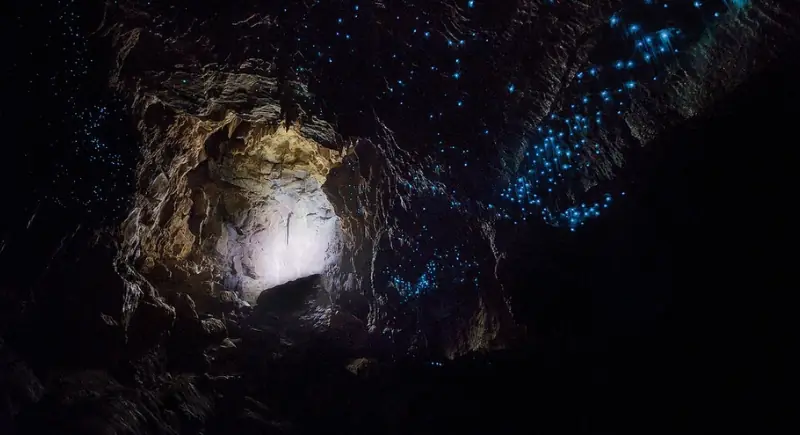
These limestone caves glow with thousands of tiny lights. The glow comes from Arachnocampa luminosa, a glowworm species found only in New Zealand. The insects produce a blue-green light to attract prey. Boat tours float through the caves, with the glowing ceilings giving off an effect that feels like deep space.
The Spotted Lake, Canada
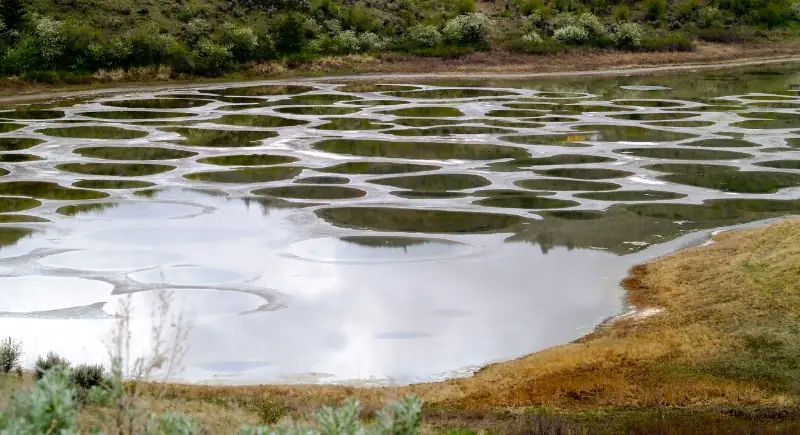
In British Columbia’s Okanagan Valley, this small lake turns into a field of colorful spots every summer. As water evaporates in the heat, mineral deposits become visible and form pools in shades of yellow, blue, and green. Indigenous communities have long regarded the lake as sacred, and the minerals are believed to have healing properties.
Danakil Depression, Ethiopia
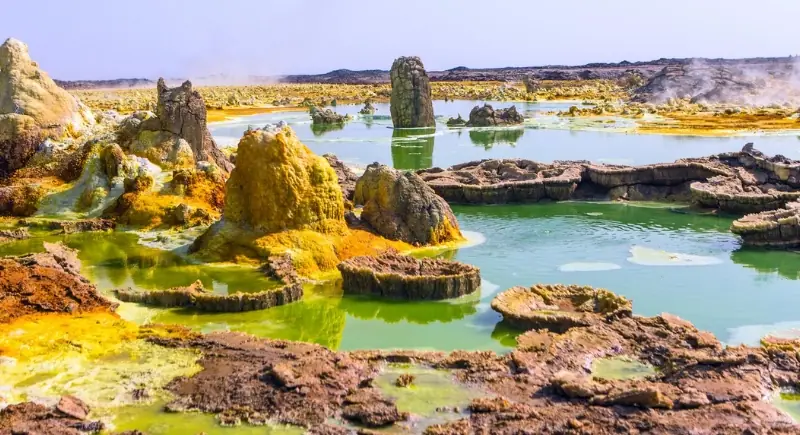
This harsh desert landscape is at the junction of three tectonic plates and feels like a snapshot of early Earth—or a scene from another planet. The area features acid pools, lava lakes, geysers, and sulfur springs. Temperatures can top 120°F. It’s one of the lowest and hottest places on the planet.
The Sea Of Stars, Maldives
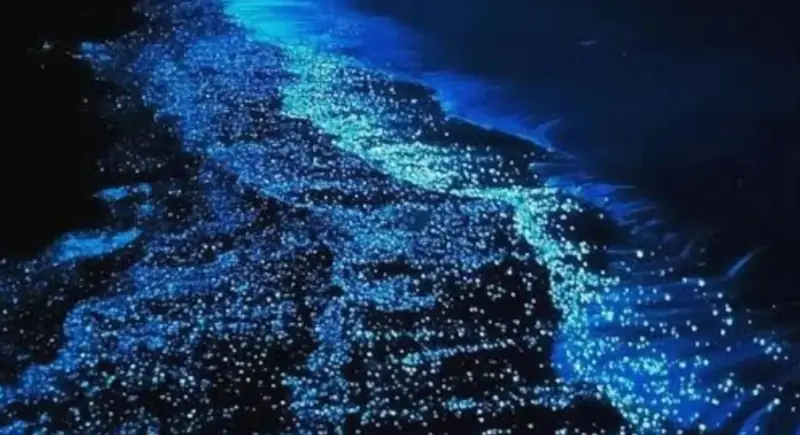
At night, certain beaches in the Maldives light up with a shimmering blue glow. This effect is caused by bioluminescent plankton that emit light when agitated. It happens most often on Vaadhoo Island and is usually visible during late summer. The glow doesn’t last long, but when it’s active, it looks like stardust.
Zhangjiajie Pillars, China
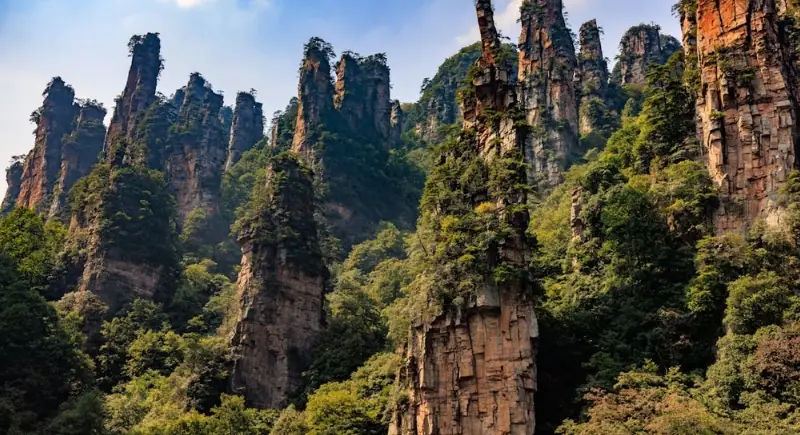
These towering sandstone formations rise like skyscrapers in Hunan Province and served as inspiration for the floating mountains in Avatar. Fog often drifts between the peaks, adding to the illusion. The pillars formed through erosion over millions of years, shaped by wind, rain, and expanding ice. Some even have glass walkways or cable cars.