The historic Route 66 was one of the first and longest U.S. highways, running for 2,448 miles, and beckoned people to drive west from Chicago, Illinois, to Santa Monica, California.
The “Mother Road” opened in 1926 and quickly become famous, as people traveled for work, migrated, visited family, took vacations or headed off to war. Hundreds of small businesses sprang up along the highway to offer meals, groceries, accommodation, fuel, souvenirs and guided tours to the thousands of travelers who passed through their towns.
By the 1950s and 1960s, large interstate roads began to replace smaller highways, bypassing many towns, which fell into decline. Route 66 was decommissioned in 1985 but has once again become a popular tourist route. Exactly what should you see along the famous route? These are the 30 best Route 66 attractions you won’t want to miss.
Historic Route 66 Map
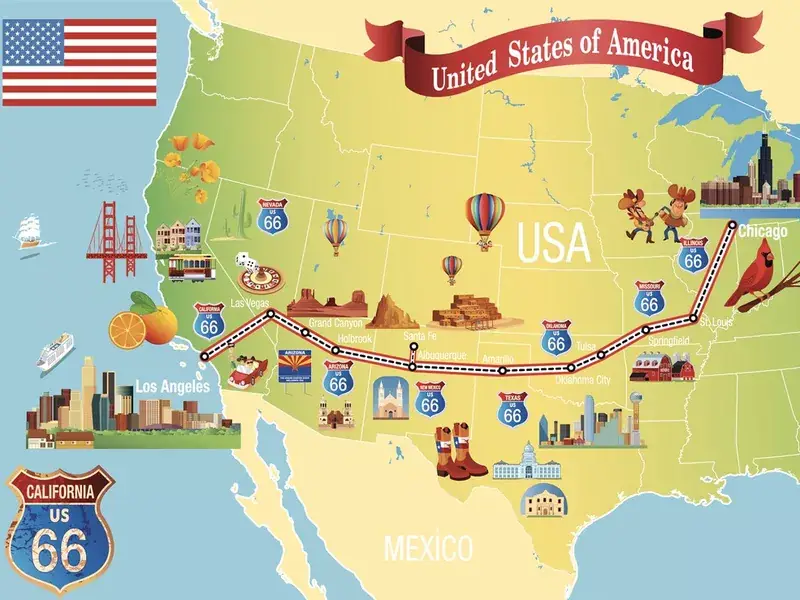
Before we get to the list, we wanted to note that, since Route 66 is officially decommissioned, the highway won’t show up on modern GPS systems. You’ll have to use an old-fashioned map or a guidebook, such as EZ66. If you’re traveling Route 66, allow at least two to three weeks to drive the entire length — even longer if you plan to make side trips or stay in some of the small historic towns you pass through. You can drive your own car, hire a one-way rental car or join a bus tour. Our list of Route 66 attractions takes you on a road trip that starts east in Illinois and takes you west all the way to California, stopping through Missouri, Kansas, Oklahoma, Texas, New Mexico and Arizona along the way.
The Historic Standard Oil Gas Station
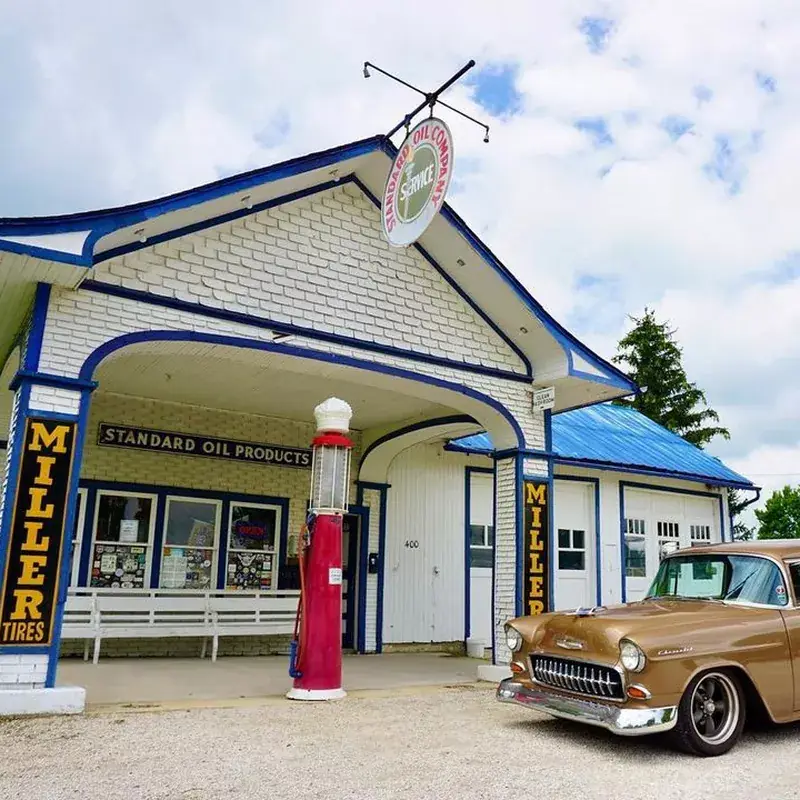
Location: 400 S. West Street, Odell, Illinois Price: Free Best time of year to visit: April to May, September to October
Why You Should Stop at The Historic Standard Oil Gas Station
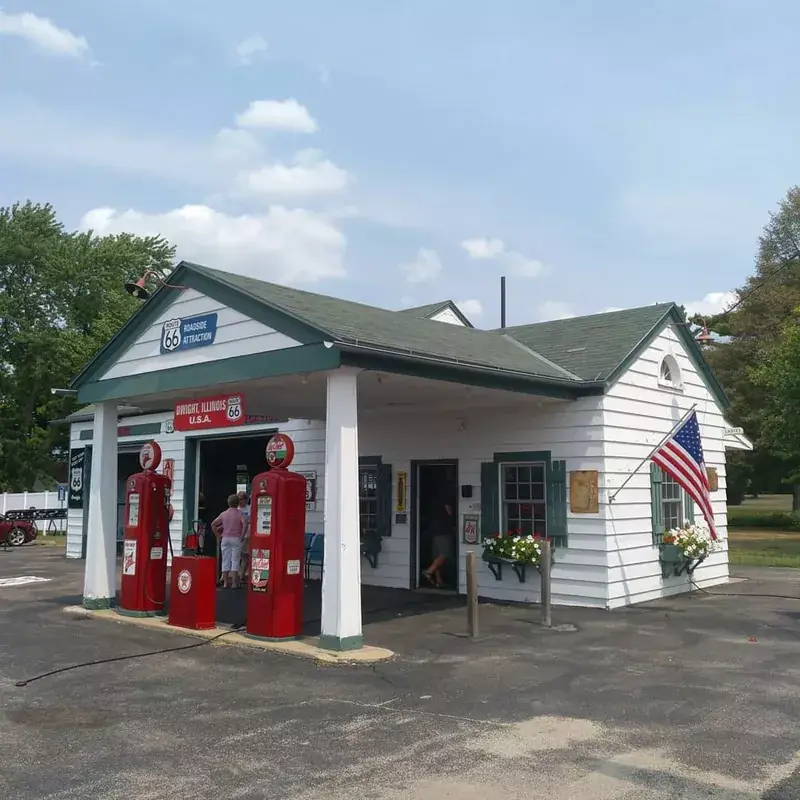
In 1932, Patrick O’Donnell built a Standard Oil gas station in Odell to serve travelers. He used a “house with canopy” design to make customers feel at home. In the 1940s, O’Donnell added a two-bay garage and offered repair services to stay competitive with the nine other gas stations in the Illinois town. The station and auto repair shop closed in the 1970s but were saved and restored by the townspeople. The site is listed on the National Register of Historic Places and is now open daily for tours and serves as a local visitor’s center.
Pontiac Murals
Location: Downtown, Pontiac, Illinois Price: Free Best time of year to visit: April to May, September to October
Why You Should Stop at Pontiac
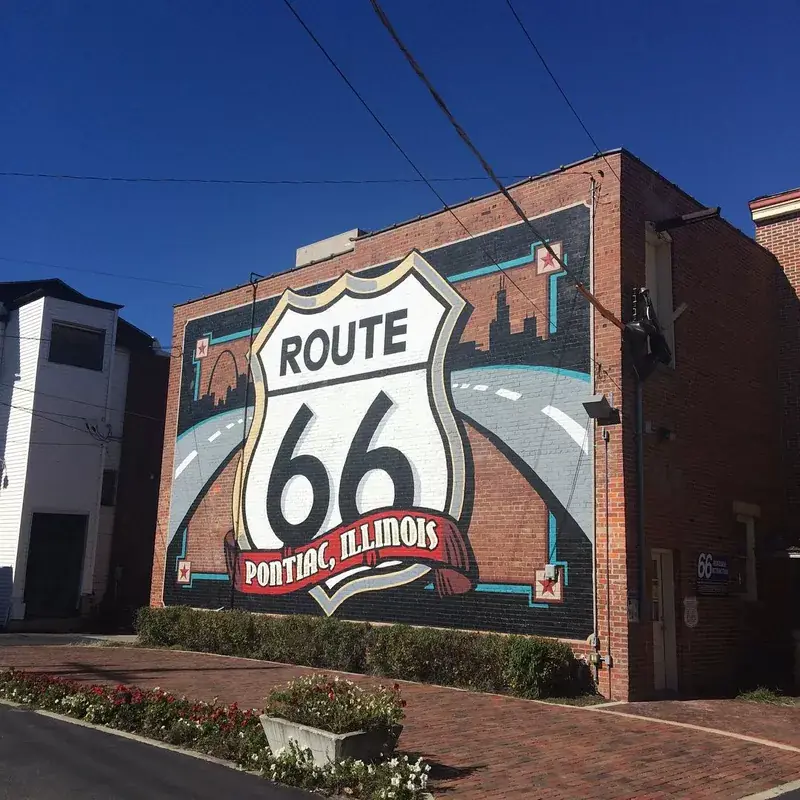
The city of Pontiac is home to 43 murals, inspired by local history and businesses. The largest one is a Route 66 signpost, painted on the back wall of the Illinois Route 66 Hall of Fame and Museum. The others are dotted around Pontiac’s downtown area. Free walking maps are available from the museum or City Hall, or you can simply follow the trail of red footprints painted on the sidewalks. Each mural has a QR code that you can scan with a mobile device to learn more about its design and history.
The Ariston Cafe
Location: 413 Old Route 66 N., Litchfield, Illinois Price: Varies Best time of year to visit: April to May, September to October
Why You Should Stop at The Ariston Cafe
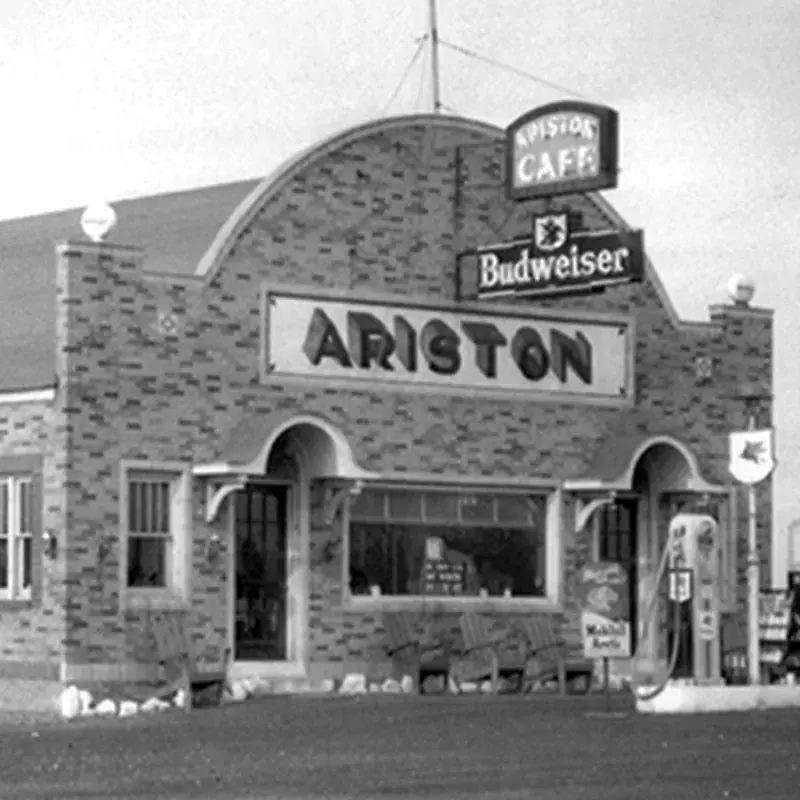
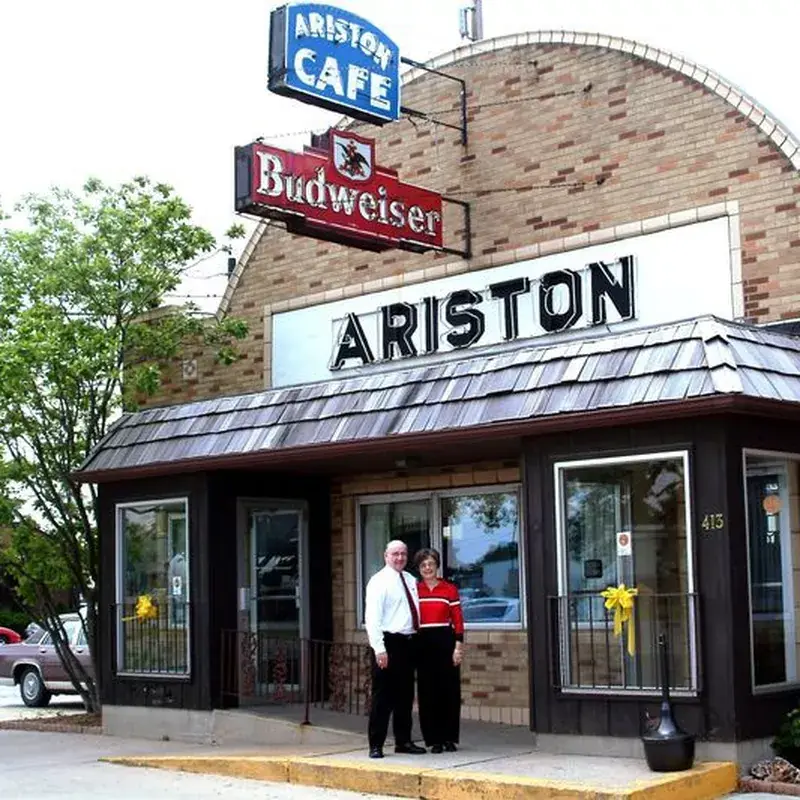
Pete Adam, a Greek immigrant, first opened The Ariston Cafe in nearby Carlinville in 1924 on the original Highway 66. After Route 66 was moved, Adam relocated his restaurant to Litchfield. Even at the height of the Depression, this stretch of Route 66 was heavily traveled. The cafe is thought to be the oldest continually operating restaurant on the historic highway and is listed on the National Register of Historic Places. It was even inducted into the Route 66 Hall of Fame in 2006 and continues to serve a mix of American, Southern, Italian and Greek dishes.
Meramec River US 66 Bridge
Location: Eureka, Missouri Price: Free Best time of year to visit: April to May, September to October
Why You Should Stop at Meramec River US 66 Bridge
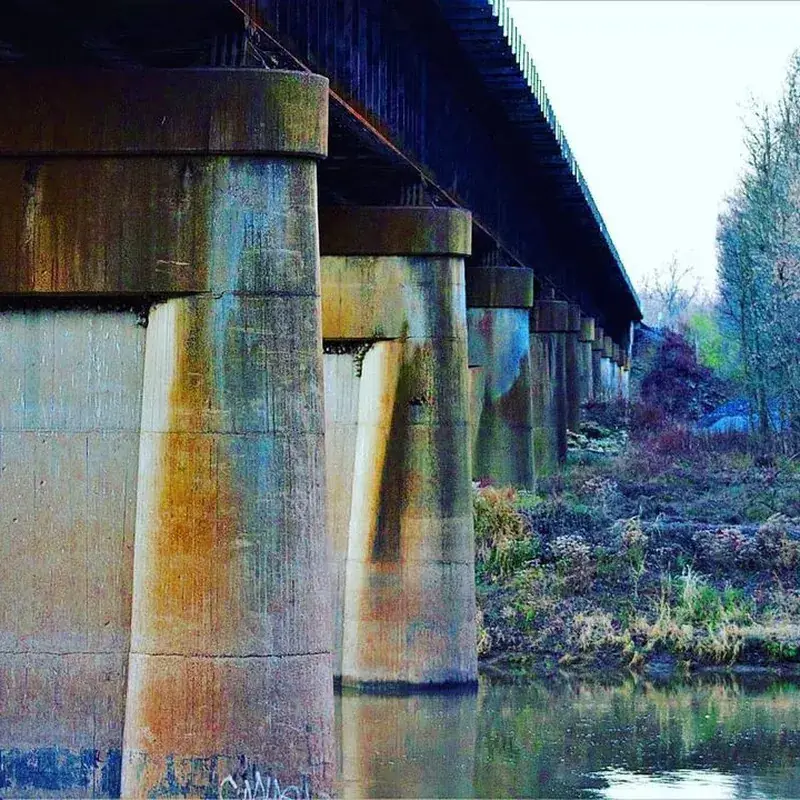
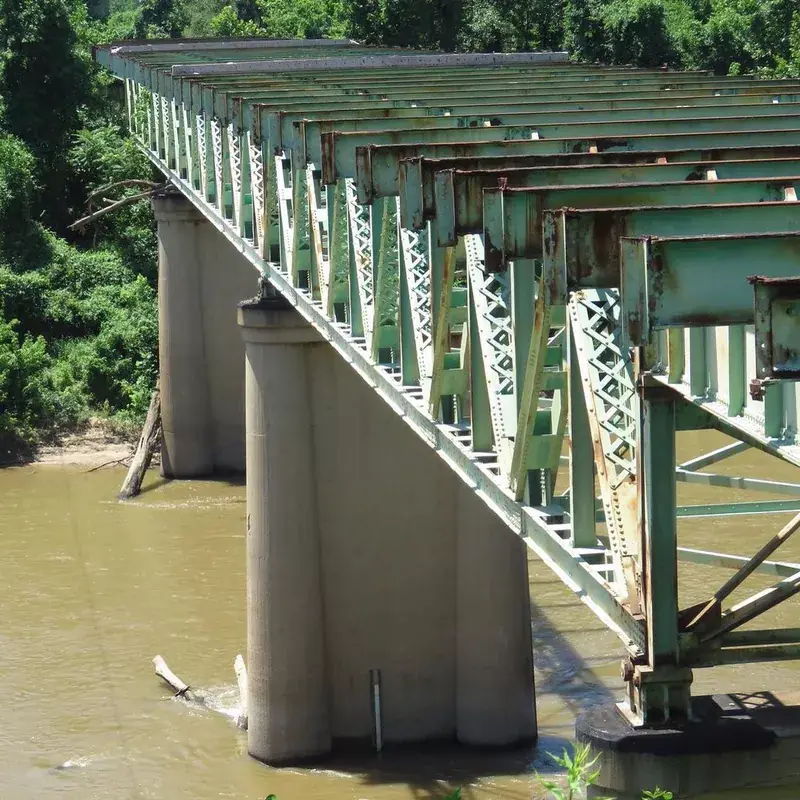
When Highway 66 was rerouted in 1931, the road needed to cross the Meramec River near Eureka. Project engineers decided to use a Warren deck truss design for the bridge, with triangular metal beams to strengthen and support the roadbed. A deck truss bridge is rare in Missouri and only four remain in the whole state. The Meramec bridge is located in the middle of the 419-acre Missouri Route 66 State Park. Although the bridge is listed on the National Register of Historic Places, the structure hasn’t been maintained and is closed to car and foot traffic.
The Wagon Wheel Motel
Location: 901-905 E. Washington, Cuba, Missouri Price: $66-$128 per night Best time of year to visit: Crawford County Fair on July 12-13 or CubaFest on Oct. 16
Why You Should Stop at The Wagon Wheel Motel
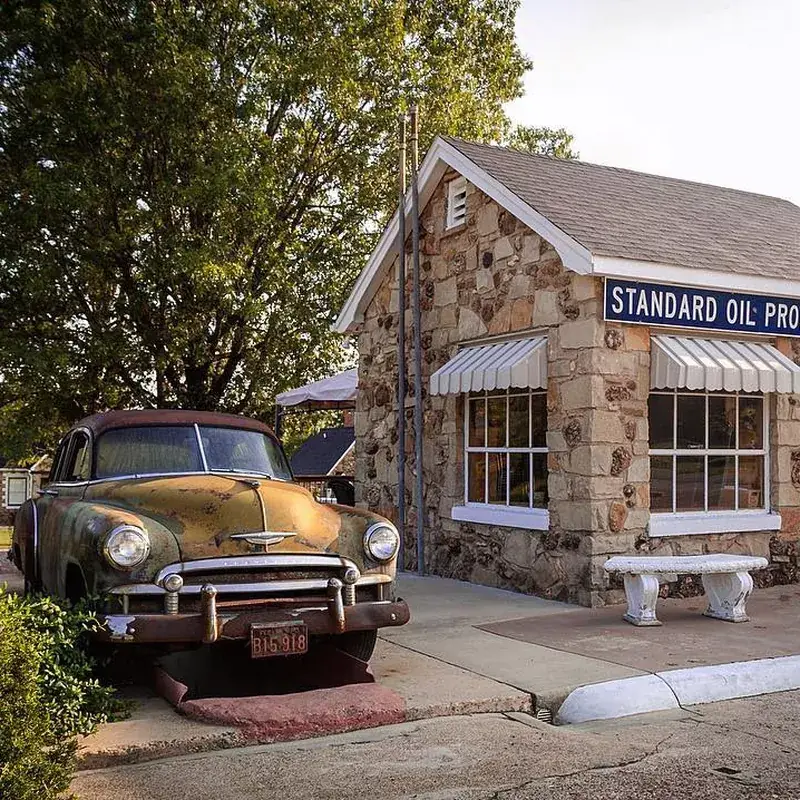
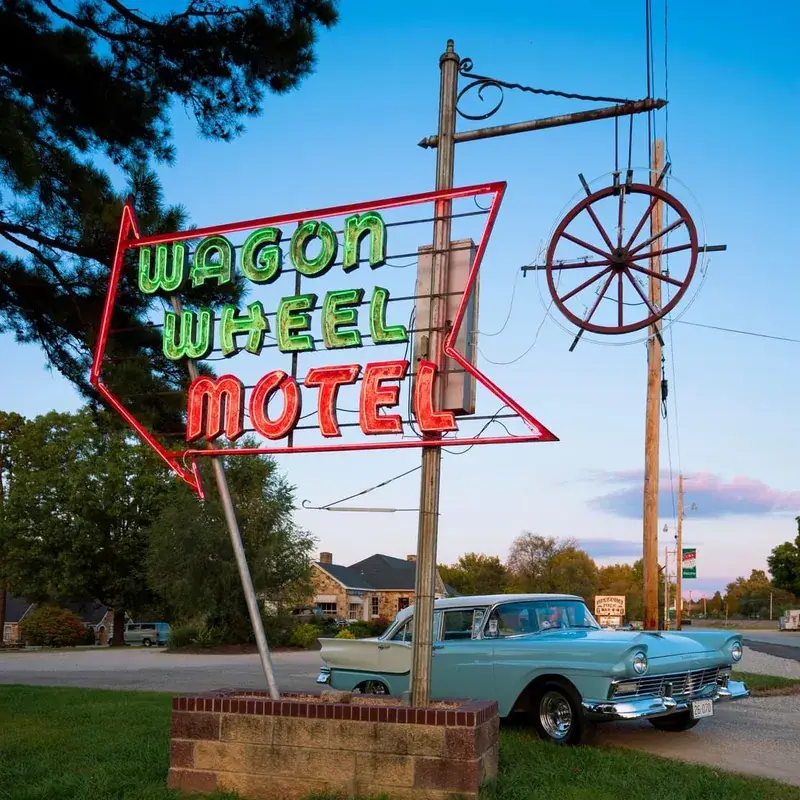
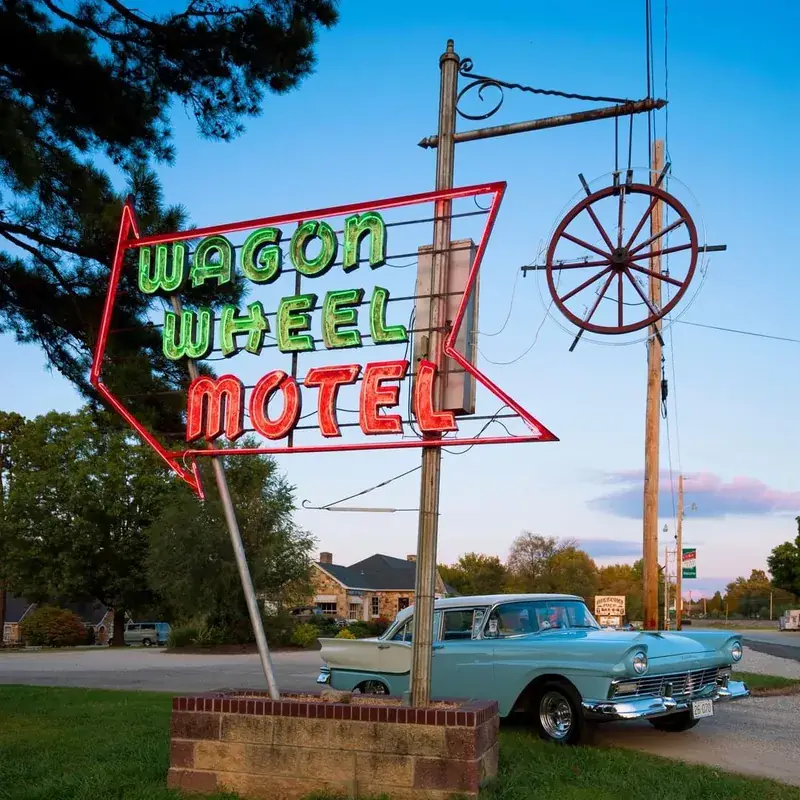
Robert and Margaret Martin opened the Wagon Wheel Cabins in 1936 as a food, fuel and lodging traveler stopover. The original accomodation consisted of nine stone cottages, built from local Ozark sandstone, with attached garages for vehicles. The motel is famous for its neon sign, which dates back to the 1940s. After World War II, the Martins sold the business and more stone buildings were added to the site. The current owner bought the property in 2009 and fully restored the cabins, adding modern conveniences. The Wagon Wheel Motel is listed on the National Register of Historic Places.
The Gillioz Theatre
Location: 325 Park Central E, Springfield, Missouri Price: $10 (tour) Best time of year to visit: April to May, September to October
Why You Should Stop at The Gillioz Theatre
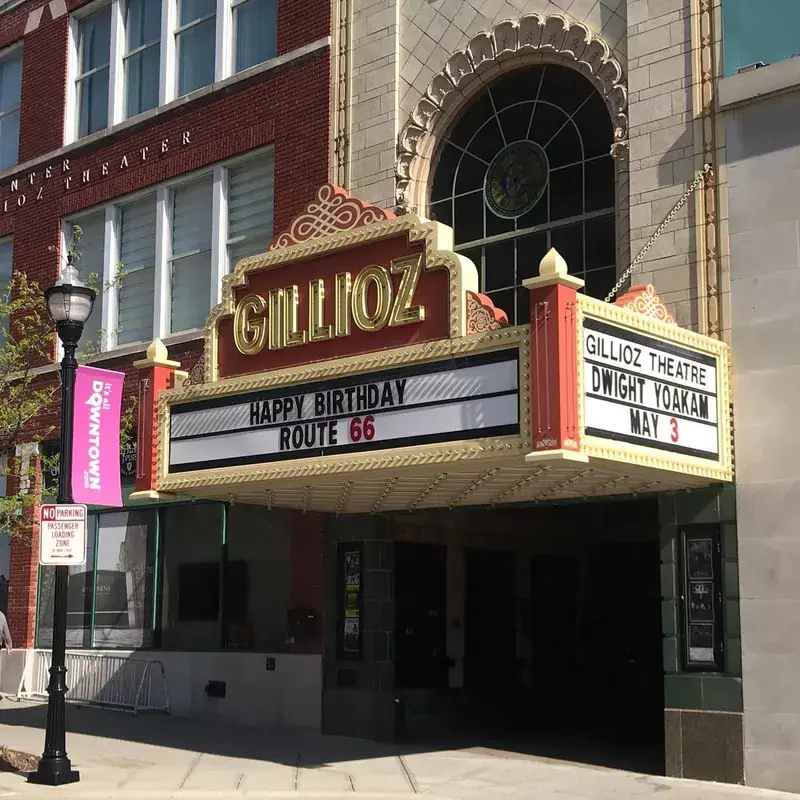
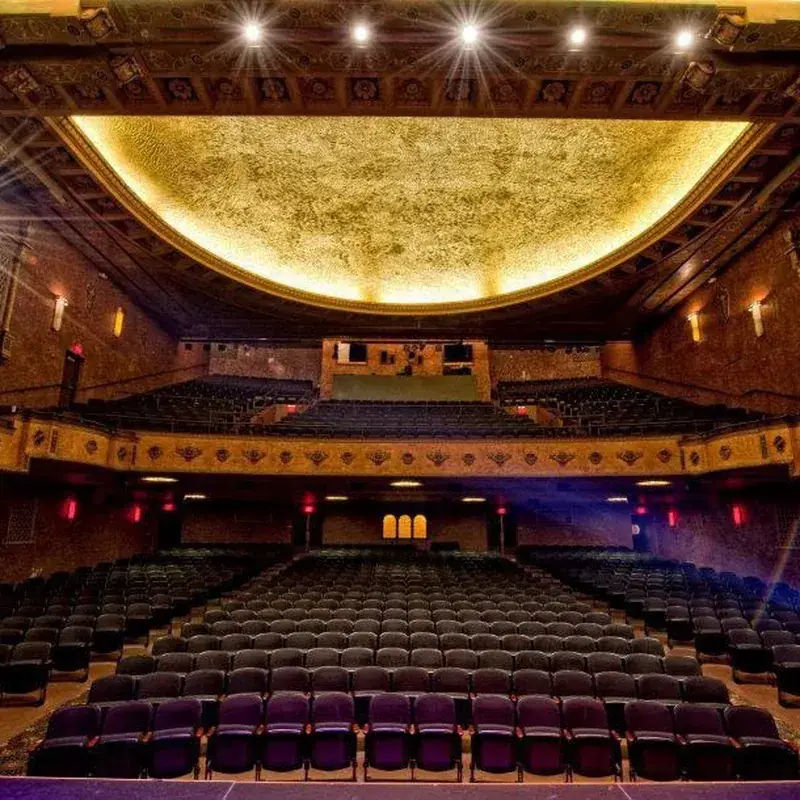
The Gillioz Theatre was built in 1926 in the Spanish Colonial Revival Style, lavishly decorated with terracotta tiles, plaster cherubs and stained-glass windows. The theater houses a Wurlitzer organ, played during the silent films that screened here until 1928 when talkies were introduced. During the Great Depression and World War II, the theater hosted community song contests. By 1970, attendance dropped as people preferred going to cinemas in suburban malls, and in 1980, the theater closed. In 1990, a local preservation group launched a campaign to restore the Gillioz, and it reopened as a concert and event venue in 2006. Historical tours of the theater are offered monthly.
The 66 Drive-In
Location: 17231 Old Route 66 Blvd, Carthage, Missouri Price: $8 Best time of year to visit: April to September
Why You Should Stop at The 66 Drive-in
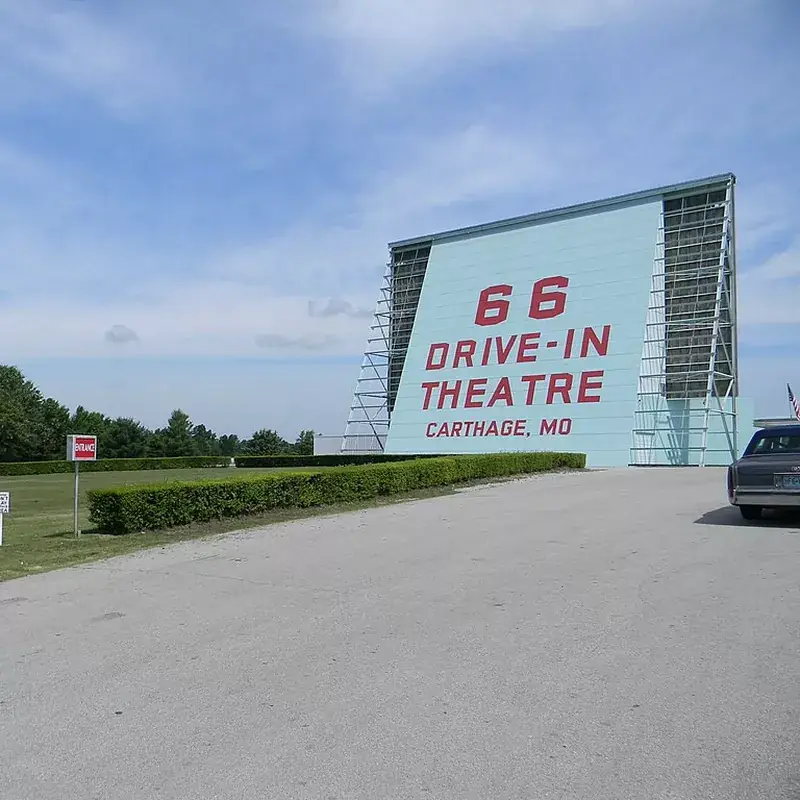
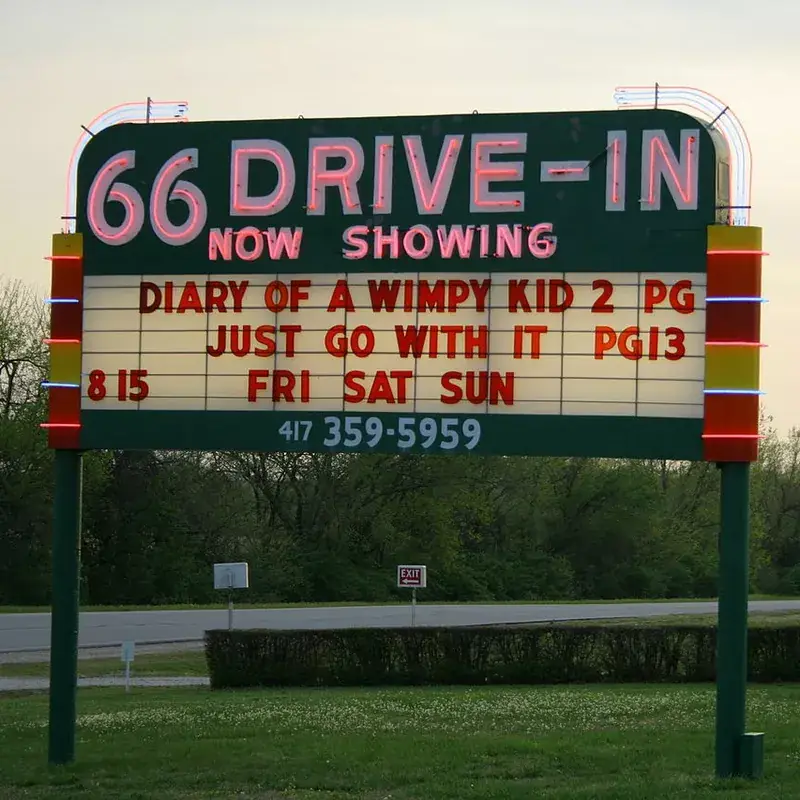
The 66 Drive-In opened in 1949 during a post-war boom of movie theaters that catered to motel guests and travelers along American highways. It’s one of only a few historically intact theaters still operating. Many of the site’s original structures, including a 66-foot high screen house, billboards, kids’ playground, Art Deco glass ticket booth and the original neon sign are still intact and still in use. The theater closed in 1985 but was renovated and reopened in 1998. It currently screens the latest movies from April to September and, like most on this list, is on the National Register of Historic Places.
East Galena Historic District
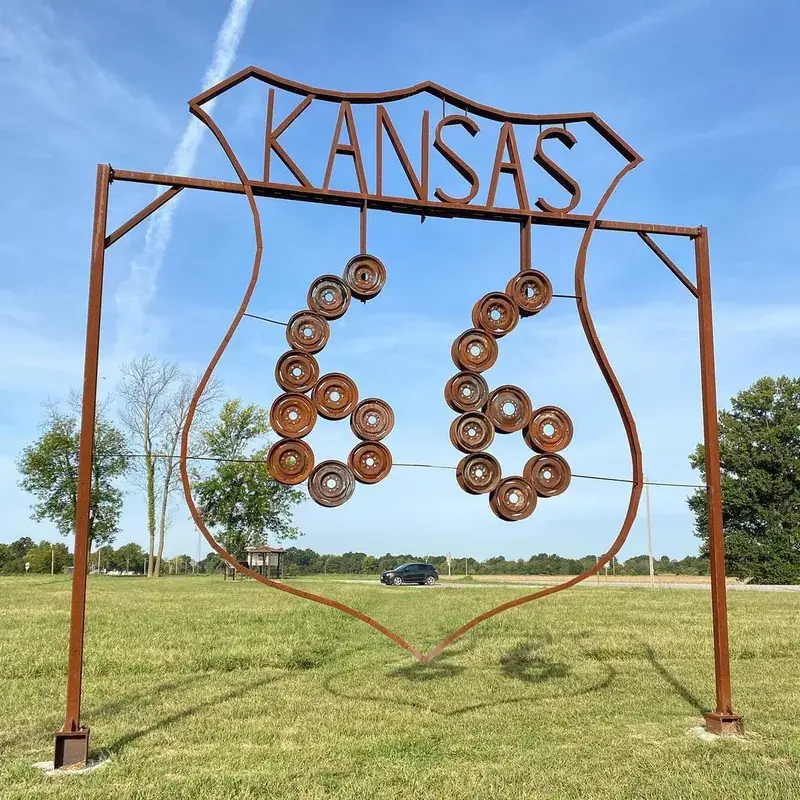
Location: Main Street, Galena, Kansas Price: Free Best time of year to visit: April to May, September to October
Why You Should Stop at East Galena Historic District
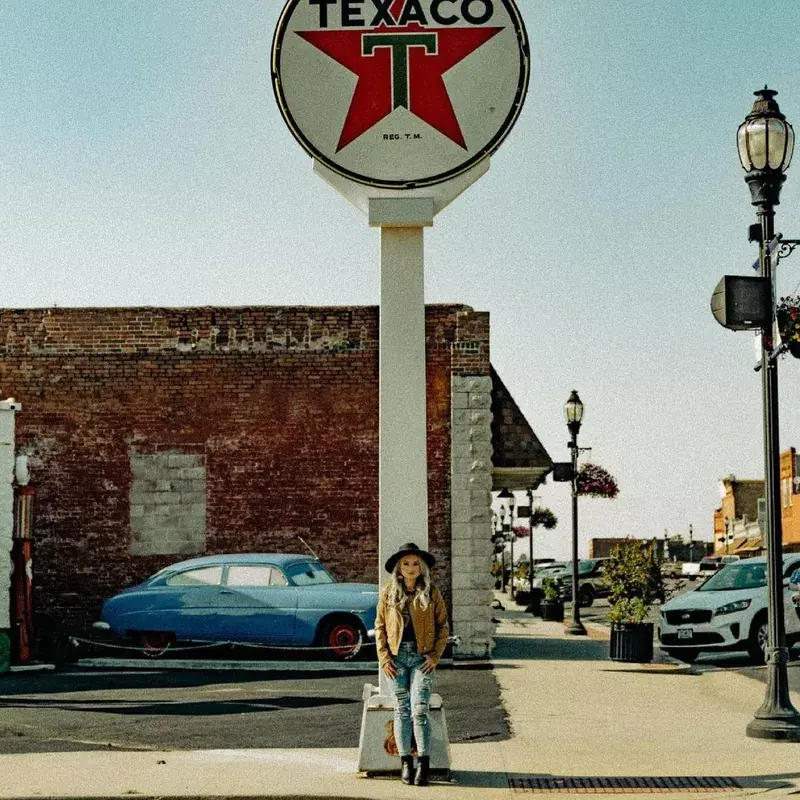
Established in 1877, Galena is the oldest mining town in Kansas and was named after deposits of galena (lead sulfite) discovered in the area. The classic red-brick buildings of Galena’s business district were built during the town’s hey-day. Walking tour highlights include buildings that formerly housed the Old Mayhew Theater, First National Bank, vintage gas stations and Galena’s jail. There’s also an antique store in a building that once housed a bordello. The entire area is listed on the National Register of Historic Places. Galena’s downtown is also known for several large murals commemorating Route 66 and various historical businesses.
The Litch Historical and Mining Museum
Location: 319 West 7th, Galena, Kansas Price: Free Best time of year to visit: April to May, September to October
Why You Should Stop at the Litch Historical and Mining Museum
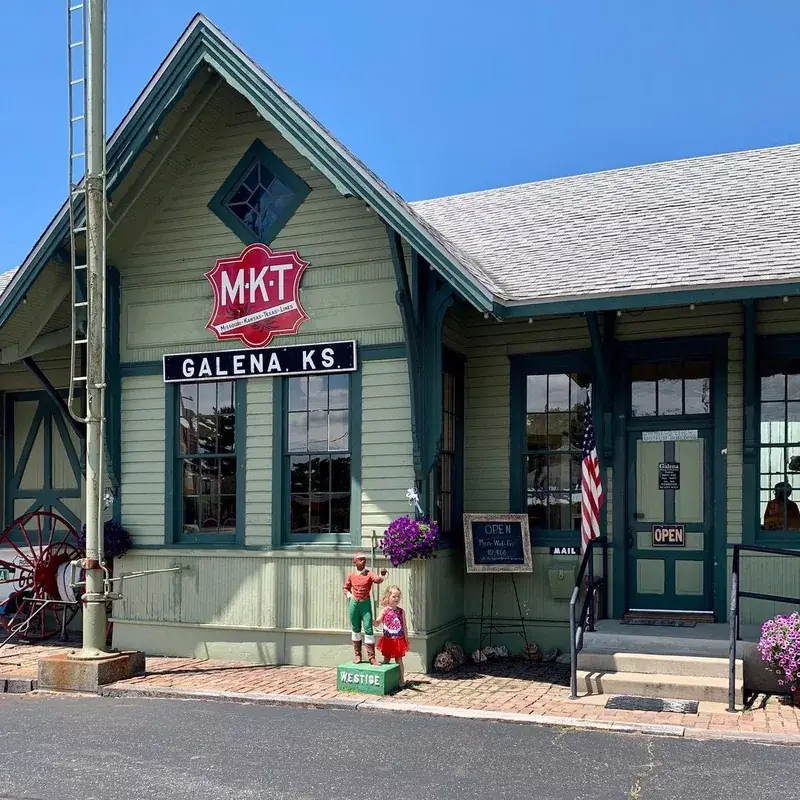
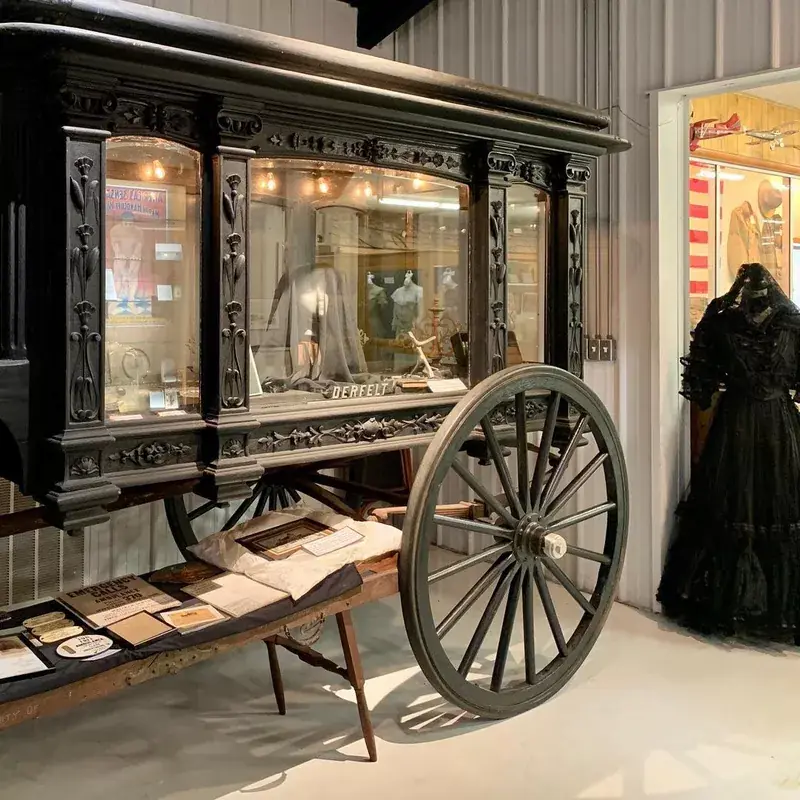
As previously mentioned, Galena became prosperous during the mineral boom and, by 1900, had a population of 30,000 people. Galena was the site of several violent United Mine Workers strikes in 1935 and 1937, during which the state governor sent in the National Guard. The museum, located in the old Missouri-Kansas-Texas (MKT) train depot, displays a minerals collection, old mining equipment and a model of the Grand Central Mine.
Historic Williams Store
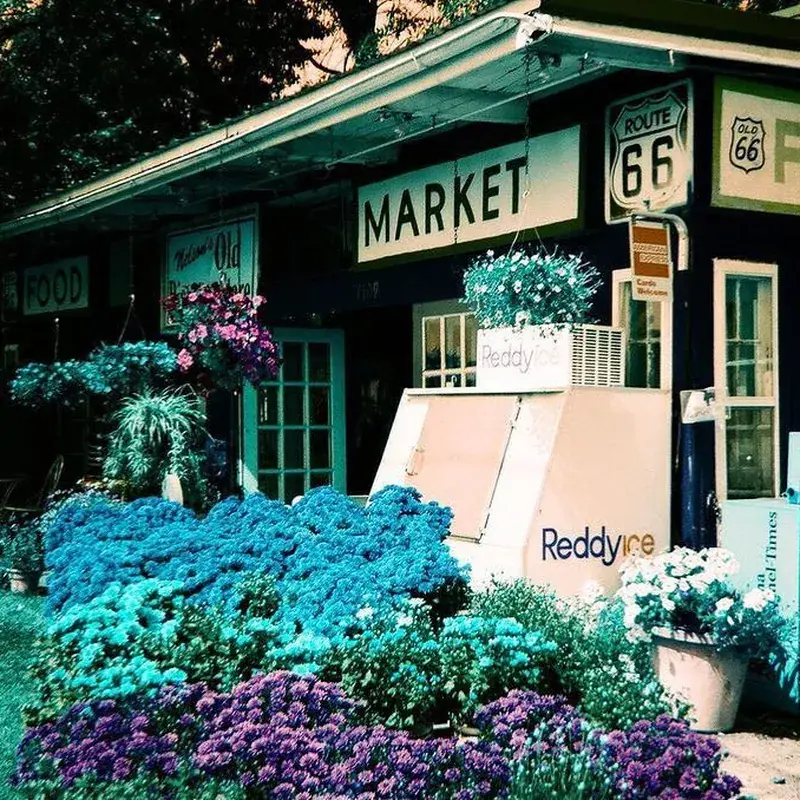
Location: 7109 SE HIghway 66, Riverton, Kansas Price: Free Best time of year to visit: April to May, September to October
Why You Should Stop at the Historic William’s Store
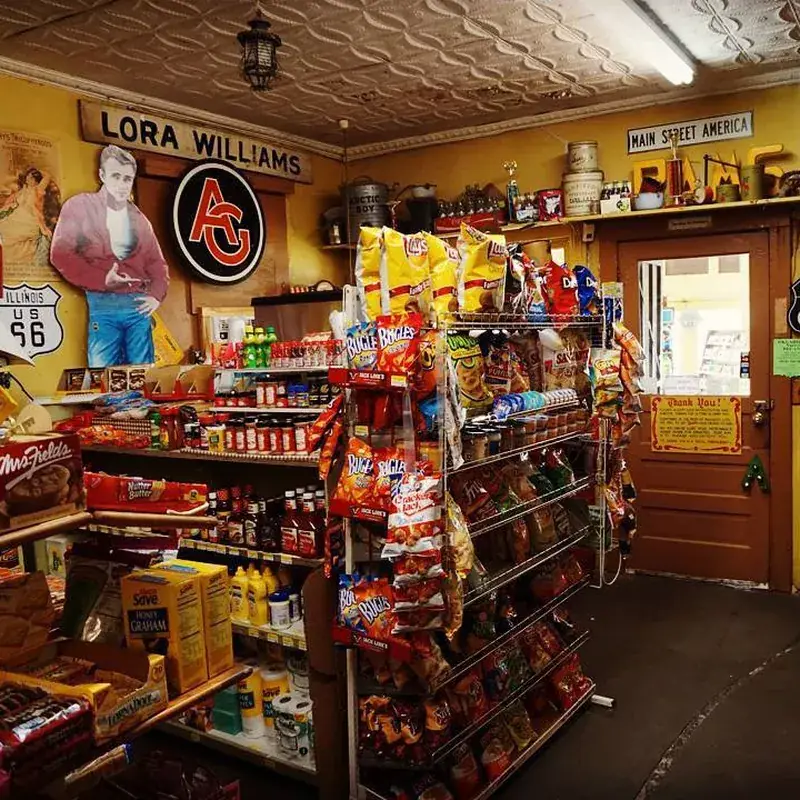
Leo and Lora WIlliams first opened a small store in 1919 to serve lunches and sell groceries to local customers and travelers who couldn’t afford restaurant meals. The Williams’ store was featured in official Route 66 maps in the 1930s and 1940s, and business flourished. Leo built a croquet court next door, with lights for night games. The site is still run today as a deli and general store. The red-brick building features the original glassed-in porch, pressed tin ceiling, wooden shelves and deli counter. It, too, is on the National Register of Historic Places.
Fort Blair Historic Site
Location: 740 East Avenue, Baxter Springs, Kansas Price: Free Best time of year to visit: April to May, September to October
Why You Should Stop at Fort Blair Historic Site
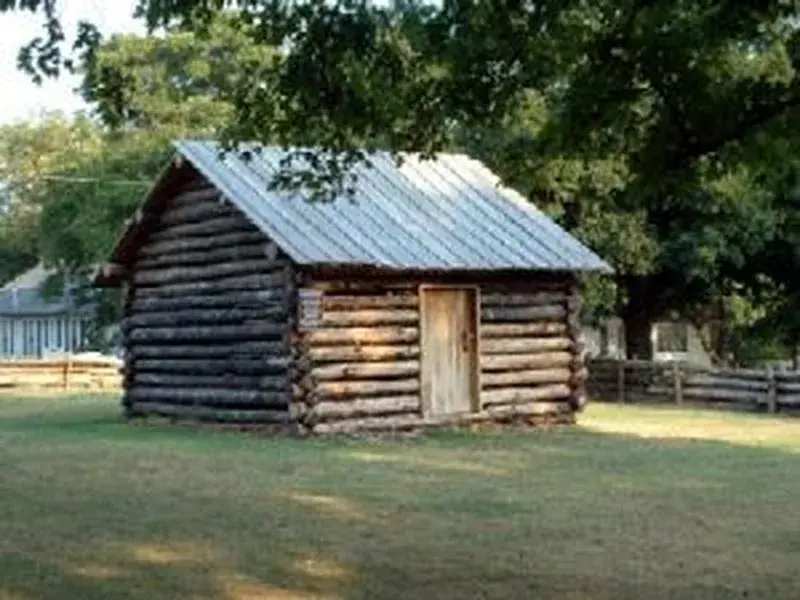
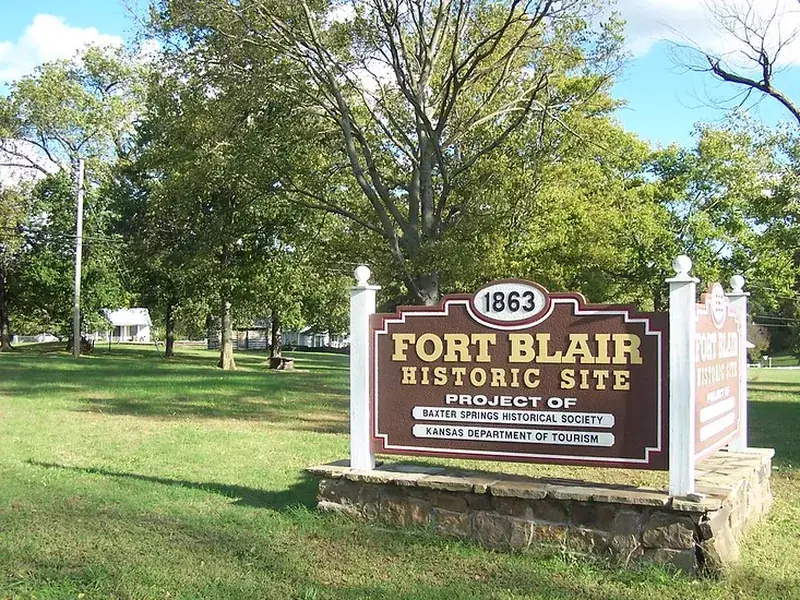
Fort Blair was first established in 1863 to protect settlers from Native American raids. At the time, the fort was made up of a block house and log cabins, with a protective wall consisting of logs covered with dirt and rocks. During the Civil War, the fort was used to guard military wagon trains as they traveled through Native American territory. Fort Blair was the site of the only Civil War battle that took place in the state of Kansas. Soldiers killed in the battle were buried in the nearby Baxter Springs National Cemetery.
Ed Galloway’s Totem Pole Park
Location: Oklahoma State Highway 28A, Foyil, Oklahoma Price: Free Best time of year to visit: April to May, September to October
Why You Should Stop at Ed Galloway’s Totem Pole Park
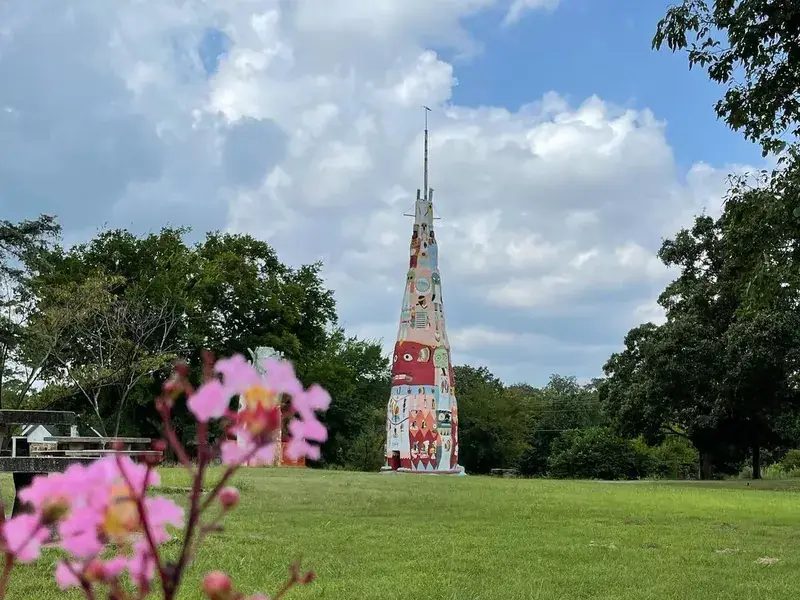
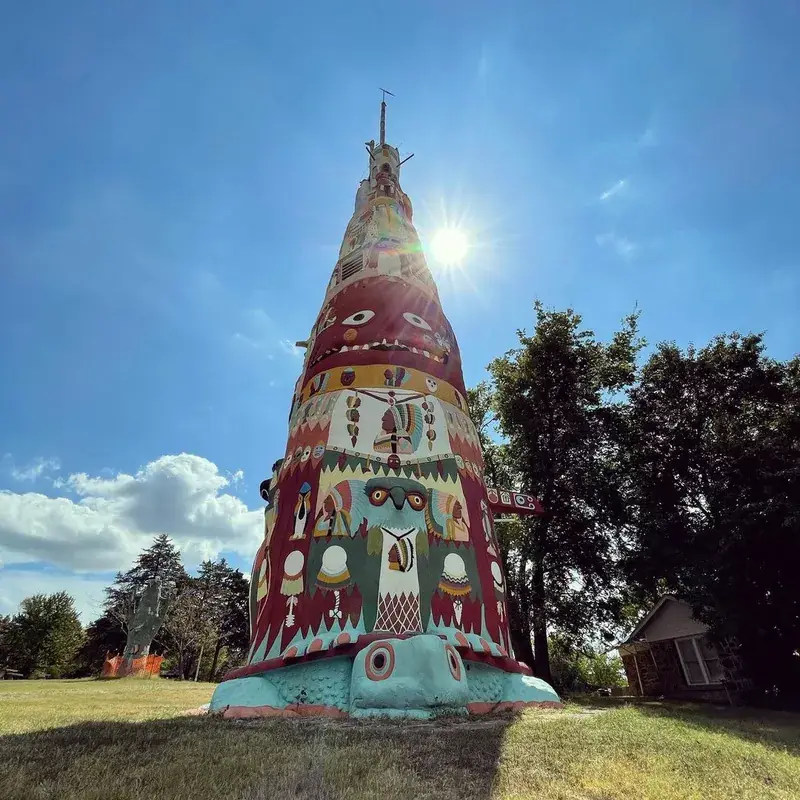
Ed Galloway was one of Oklahoma’s best-known folk artists. He was born in 1880 and became skilled in woodcarving and blacksmithing. Galloway worked as a manual arts teacher and also made violins and furniture. After retiring, Galloway built a home, smokehouse and workshop on his property. He became fascinated by American Indian totems and created a 90-foot tall pole from steel, wood, concrete and sandstone. The local Rogers County Historical Society bought and restored the site after Galloway’s death, adding the Fiddle House Museum that contains his wood carvings.
The Blue Whale of Catoosa
Location: 2600 US Route 66, Catoosa, Oklahoma Price: Free Best time of year to visit: Summer
Why You Should Stop at the Blue Whale
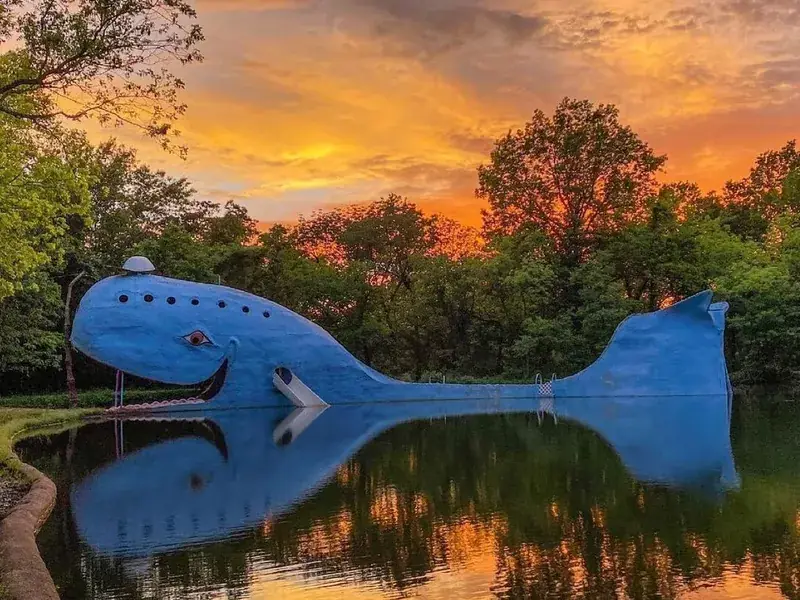
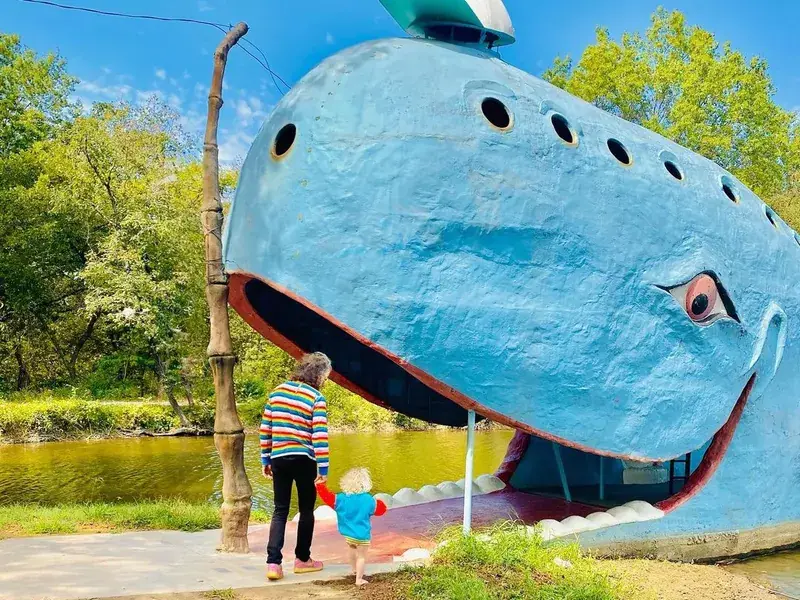
Hugh and Zelta Davis ran an alligator farm and later a reptile park along Route 66. In 1972, Hugh built an 80-foot-long whale structure from metal and concrete on the edge of a small pond for his kids. The whale has a diving platform and a slide. Hugh enlarged the pond to make a swimming hole, and the site became one of the most popular attractions on Route 66. Even though the park closed in 1988, travelers still stop and visit the Blue Whale and enjoy lunch at picnic benches near the whale’s mouth. A souvenir and concession stand operates here in the summer.
Rock Cafe
Location: 114 W. Main Street, Stroud, Oklahoma Price: Varies Best time of year to visit: April to May, September to October
Why You Should Stop at the Rock Cafe
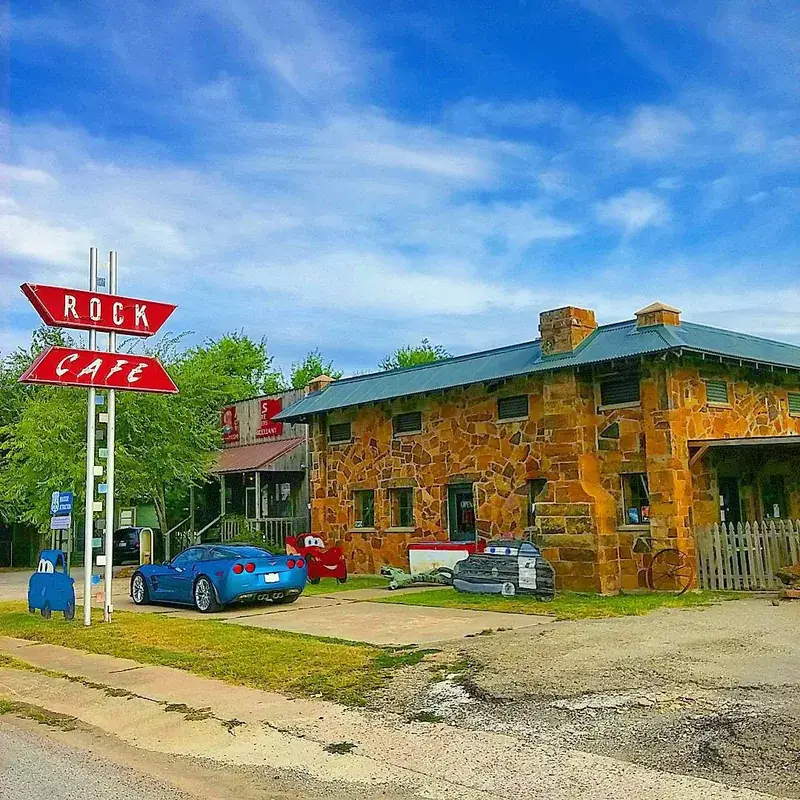
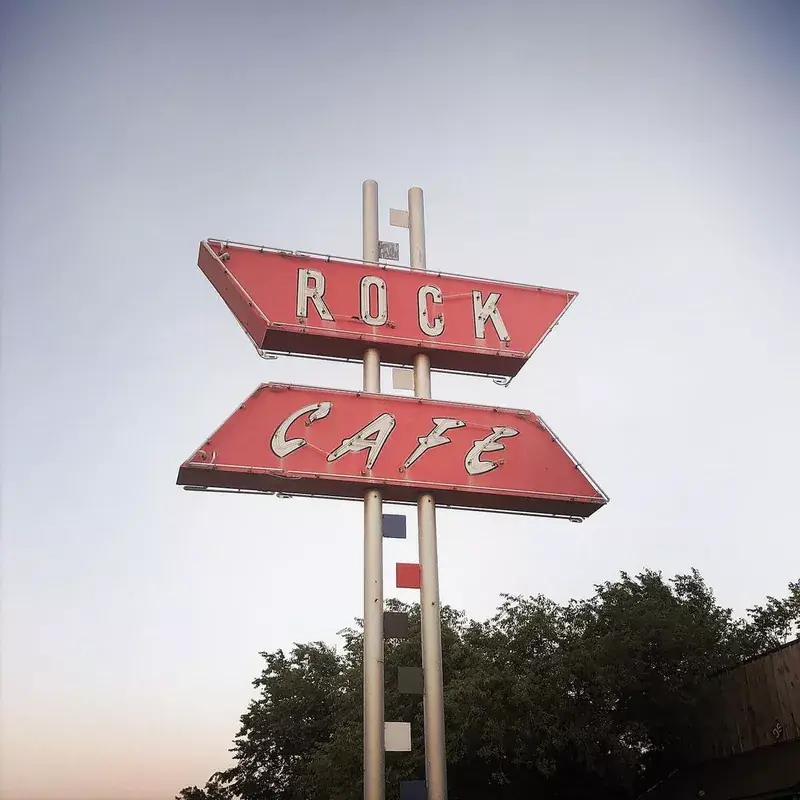
Roy Rives opened the Rock Cafe in 1939, after taking three years to construct this distinctive sandstone building. During World War II, the cafe doubled as the local Greyhound Bus stop, and business boomed. After the war, the Rock Cafe opened 24 hours a day to cater to the increasing numbers of travelers on Route 66. The restaurant’s iconic neon sign was installed in the late 1940s. By the 1990s, the Stone Cafe was deteriorating, but new owners completely renovated the site, restoring booths, a counter and counter stools from the original floor plans. The cafe is on the National Register of Historic Places.
Arcadia Round Barn
Location: 107 E. Highway 66, Arcadia, Oklahoma Price: Free Best time of year to visit: May to October
Why You Should Stop at the Arcadia Round Barn
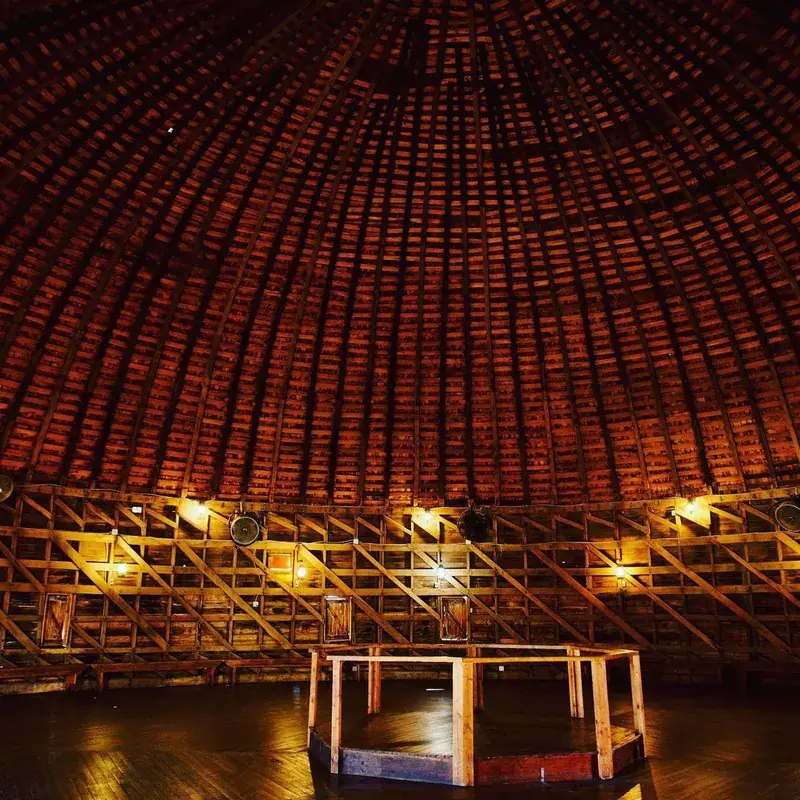
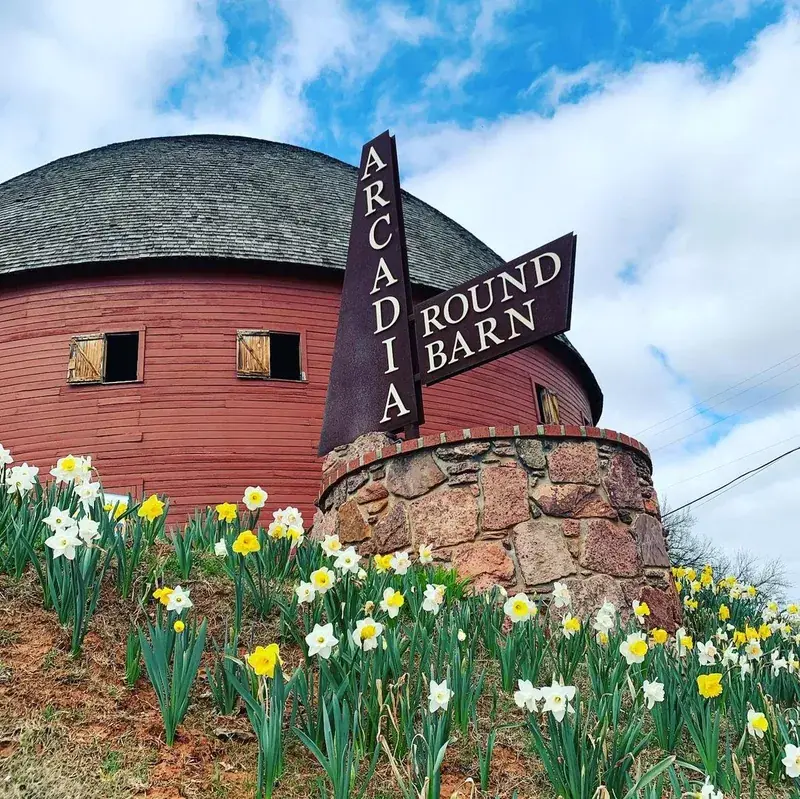
The Arcadia Round Barn was built by farmer William Odor in 1898. At the time, many people believed a tornado wouldn’t destroy a round structure. Odor and his team soaked native burr oak boards in a nearby stream and dried them in a curved shape. Farmhands helping Odor realized the loft would be an ideal place to hold dances and persuaded the farmer to install a solid hardwood floor instead of planks. By the late 1980s the barn was derelict, but the local historical society fully restored the building, and the site now hosts live music events and vintage car rallies.
Tower Station and U-Drop Inn Cafe
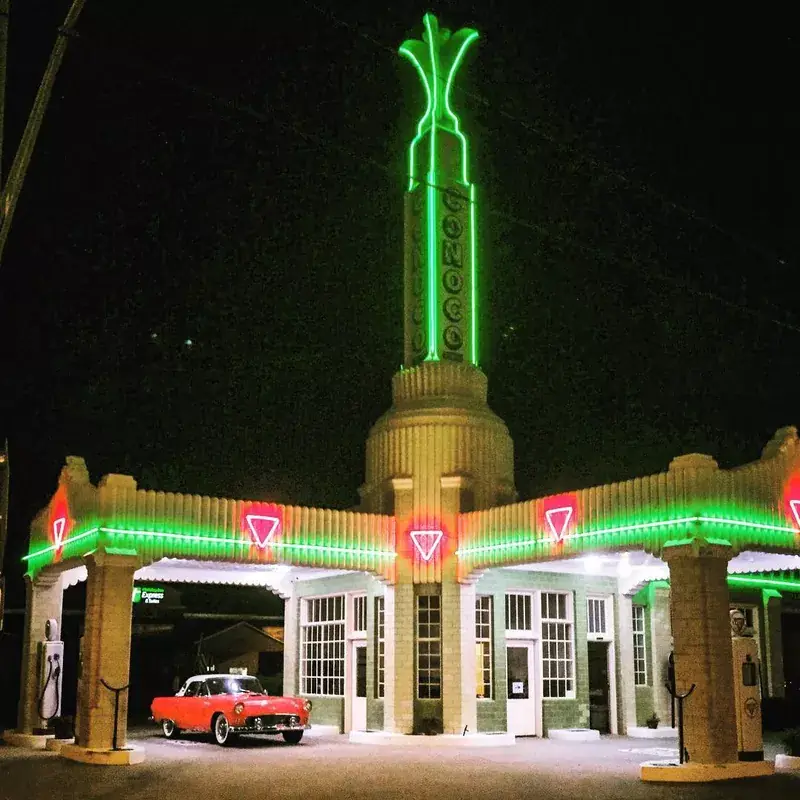
Location: 101 East 12th Street, Shamrock, Texas Price: Free Best time of year to visit: St. Patrick’s Day
Why You Should Stop at Tower Station and U-Drop Inn Cafe
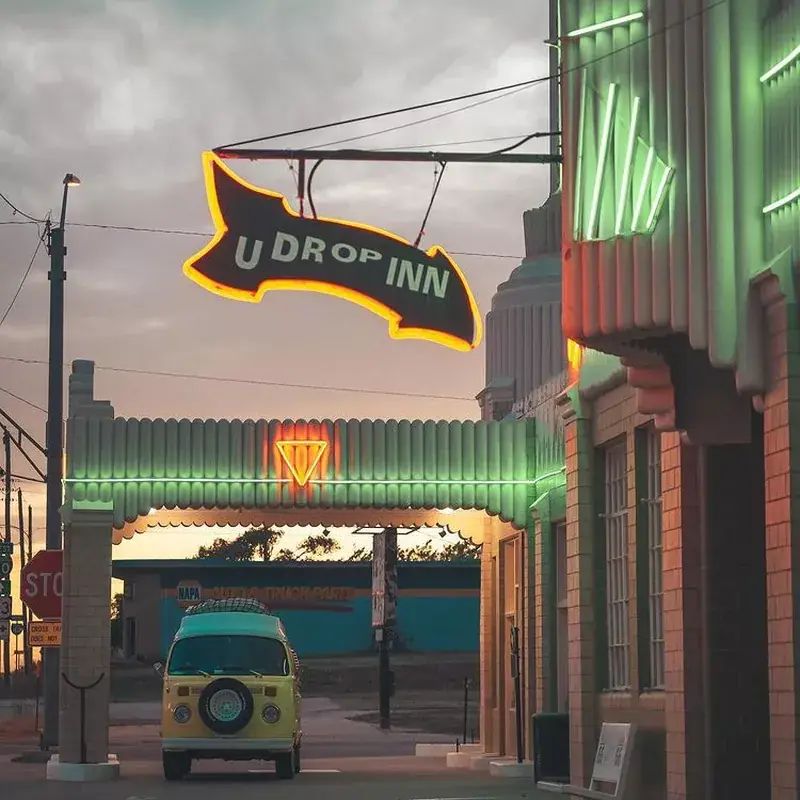
J.M. Tindall and R.C. Lewis opened this iconic Art Deco gas station and cafe in 1936. The Conoco station was named for the obelisk that sits on top. The site was designed as a full-service center for travelers on Route 66, and the owners originally planned to add a small store. However, the cafe proved so popular that they used the extra space to extend seating for diners. The site is now on the National Register of Historic Places and serves as the Shamrock Visitor Center. The town of Shamrock holds a festival each year to celebrate St. Patrick’s Day.
Palo Duro Canyon State Park
Location: 11450 State Hwy Park Rd 5, Antelope Flats, Texas Price: $8 entry fee Best time of year to visit: April to May, September to October
Why You Should Stop at Palo Duro Canyon State Park
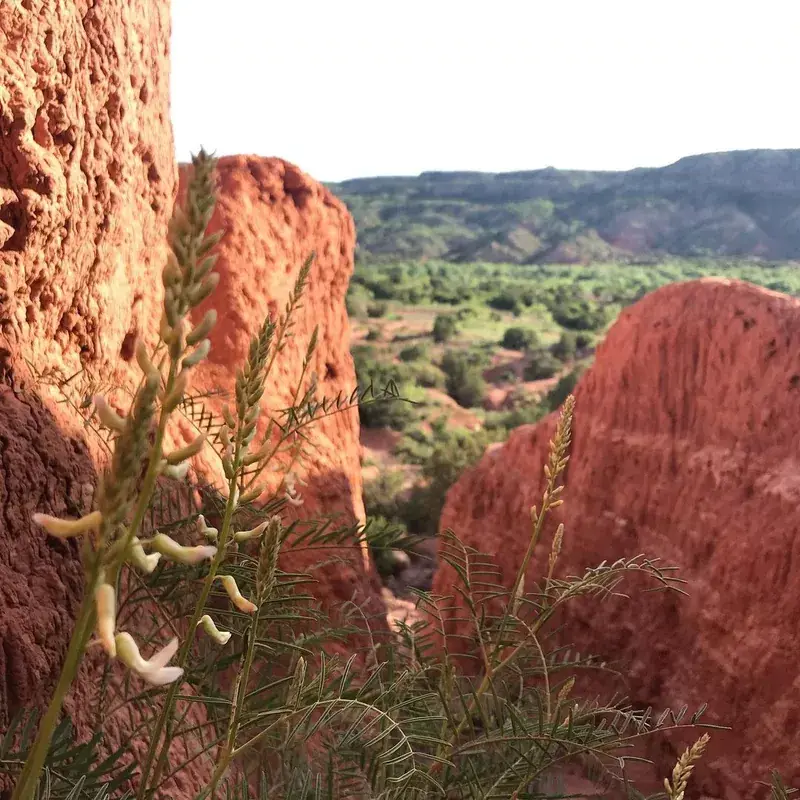
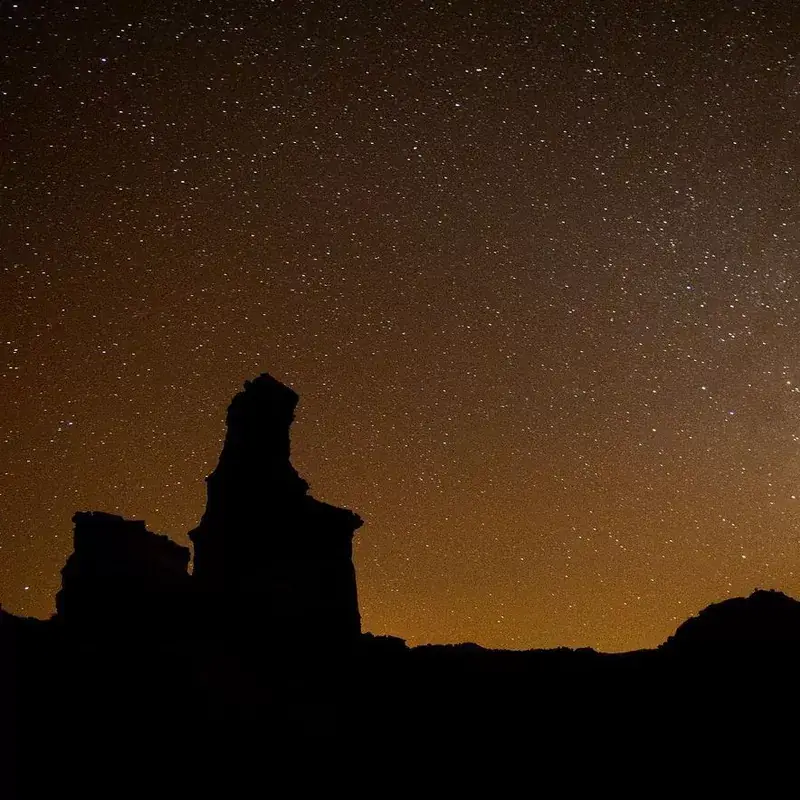
Palo Duro Canyon is the second-largest canyon in the U.S. and is located about an hour’s drive outside of Amarillo. The park is suitable for day hikes or extended stays and can be explored on a mountain bike, on foot, in a car or on horseback. The site offers a range of accommodation options from campsites with electricity and water and tent sites to backpack camping areas. There are also cabins for rent, both on the rim or down on the bottom of the canyon. Park services recently added glamping (luxury camping) sites with air-conditioning, kitchen facilities and rustic furnishings.
Cadillac Ranch
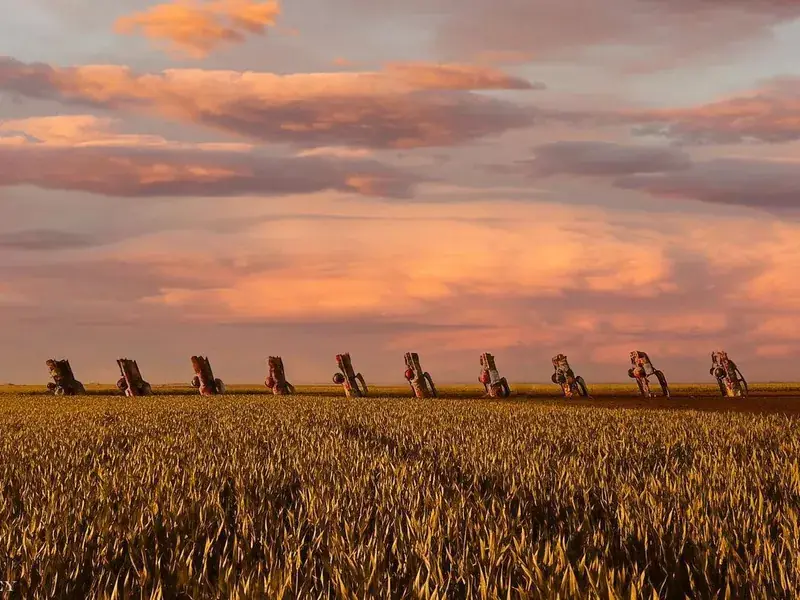
Location: 13651 I-40 Frontage Road, Amarillo, Texas Price: Free Best time of year to visit: April to May, September to October
Why You Should Stop at Cadillac Ranch
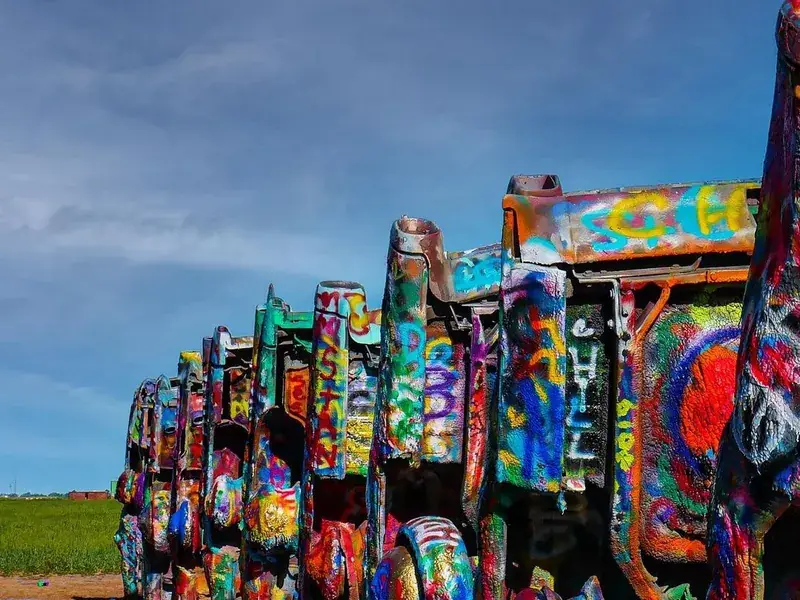
This famous graffiti-covered roadside art work is one of the most famous attractions on Route 66 and is featured in movies and songs. The site was commissioned by local billionaire Stanley Marsh who hired an art collective, The Ant Farm, to create a large piece of public art in the desert outside Amarillo. Each Cadillac is a different model and dates between 1948 to 1963. Cadillac Ranch is located on GPS navigational systems, so it’s easy to find. Visitors are encouraged to add their own graffiti. The best times to stop are sunrise or sunset when there are few people.
Glenrio Historic District
Location: State Loop 504, Glenrio, Texas and New Mexico Price: Free Best time of year to visit: April to May, September to October
Why You Should Stop at the Glenrio Historic District
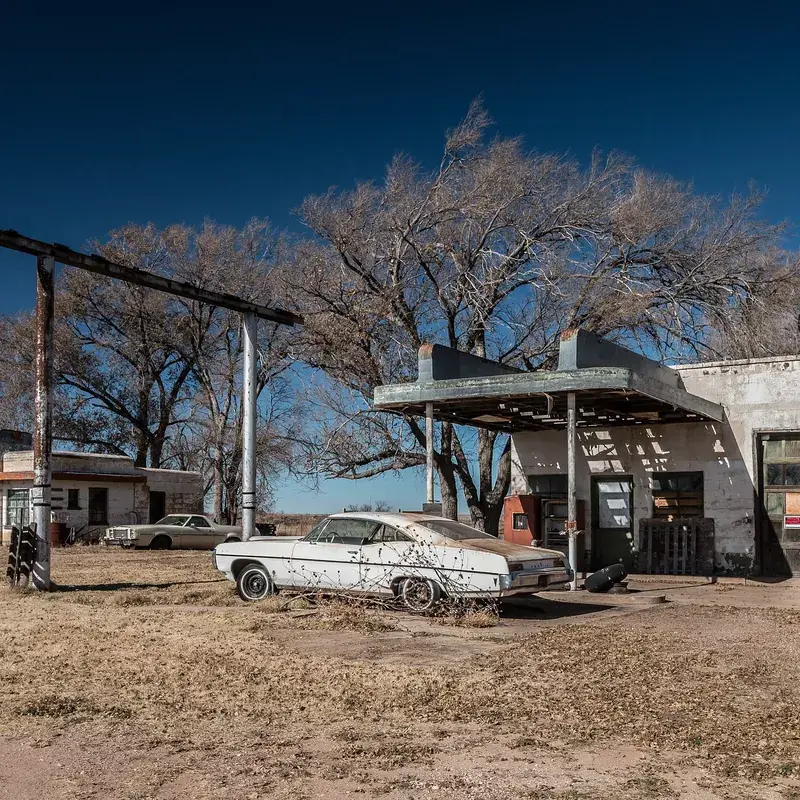
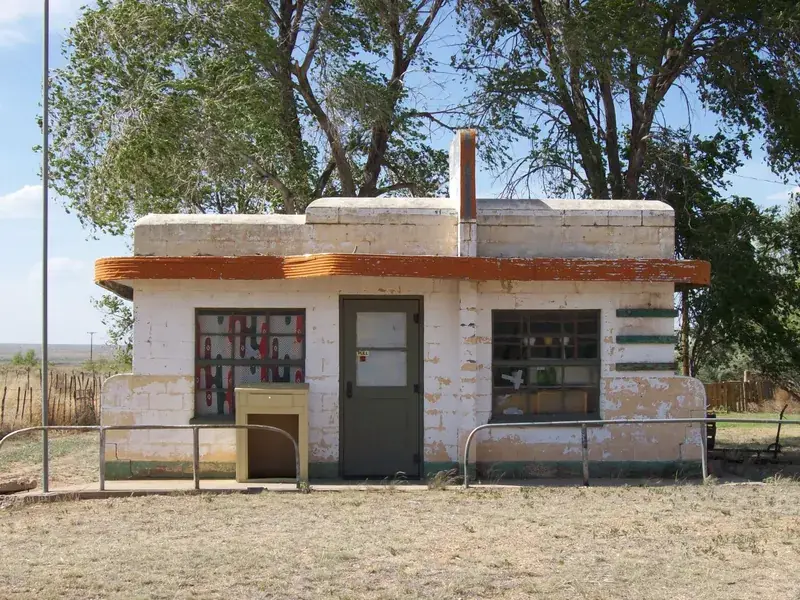
In the 1940s and 1950s, Glenrio, on the border between Texas and New Mexico, was the only stop on Route 66 offering accommodation and restaurant meals for 115 miles. Bars served alcohol on the New Mexico side of Glenrio, as the Texas county was dry, and gas stations were located on the Texas side of town because New Mexico had a higher gasoline tax. The town thrived until 1975 when the new Interstate 40 bypassed it. The historic district includes the old Highway 66 roadbed and 17 abandoned buildings, several of which are good examples of Art Moderne architecture.
Mesalands Dinosaur Museum
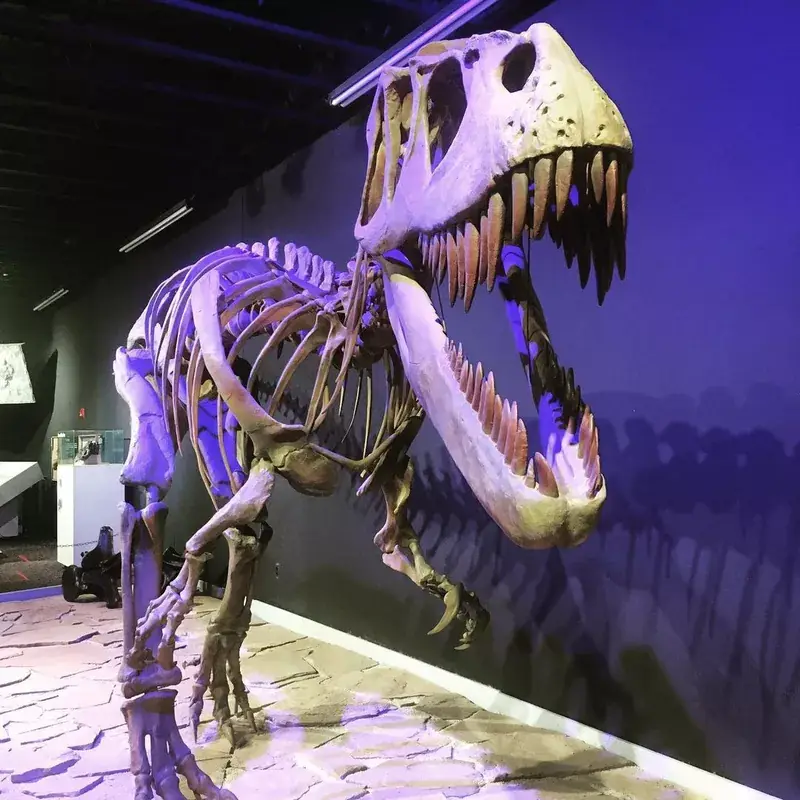
Location: 911 South 10th Street, Tucumcari, New Mexico Price: $8 admission Best time of year to visit: June to July
Why You Should Stop at the Mesalands Dinosaur Museum
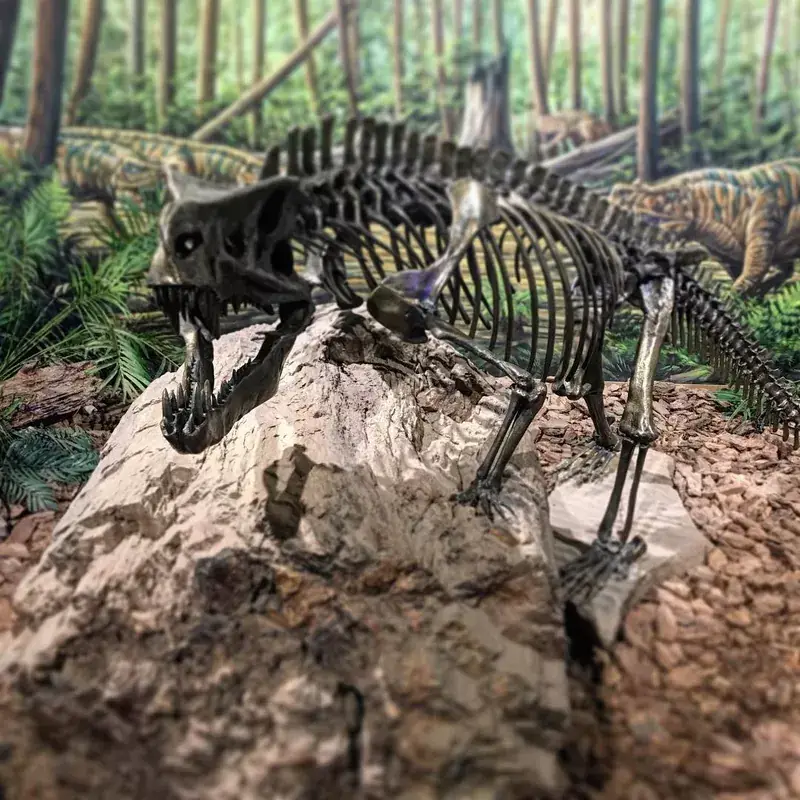
The museum is run as part of the Mesalands Community College’s paleontology program. This region of New Mexico contains some of the world’s best deposits of plant and animal fossils, including dinosaurs. The college conducts field research in nearby fossil beds, and students working the paleontology program have discovered three previously unknown species. Members of the public can enroll for special week-long summer field classes excavating fossils in June and July.
The San Miguel Chapel
Location: 401 Old Santa Fe Trail, Santa Fe, New Mexico Price: Free, donations requested, some events ticketed Best time of year to visit: April to May, September to October
Why You Should Stop at the San Miguel Chapel
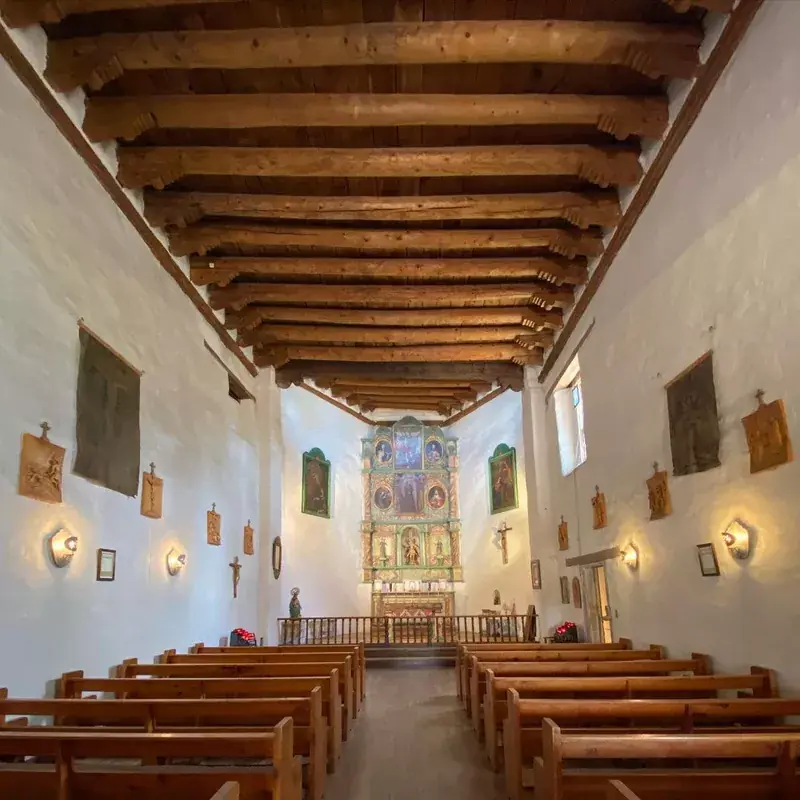
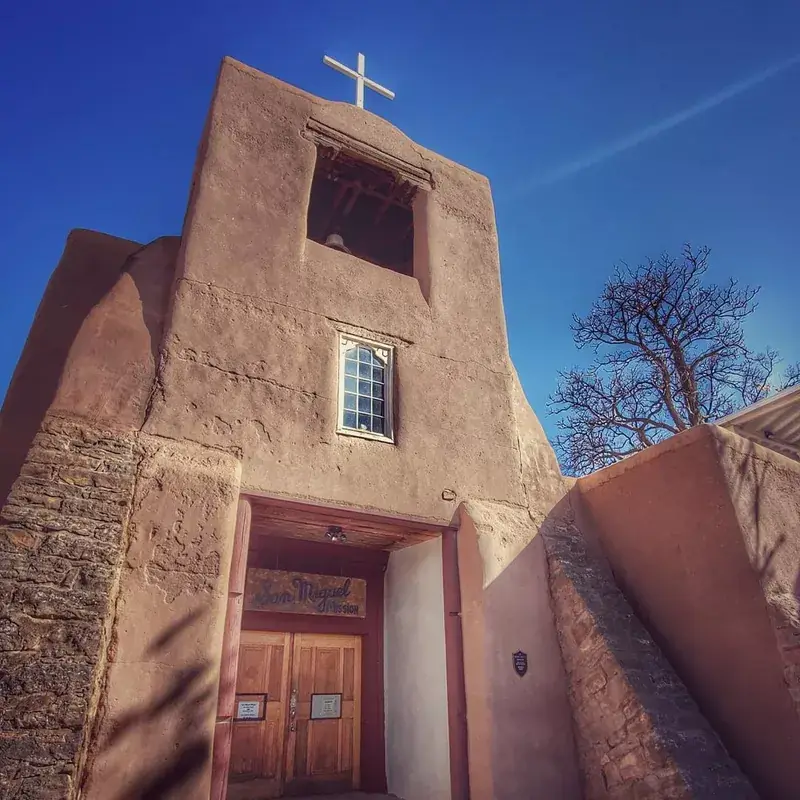
The San Miguel Chapel is the oldest church in the U.S. that still has its original walls and where services are still conducted. The adobe building, dedicated to the Archangel St. Michael, is located in the Barrio de Analco, the old historic district of Santa Fe and is on the National Register of Historic Places. The chapel was originally dedicated in 1626 by Franciscan friars to serve soldiers, workers and Native Americans who lived in the area. The church was built on the site of an older Indian Pueblo. Latin and English masses are still held here on Sundays, and the chapel also hosts live music performances.
Maisei’s Indian Trading Post
Location: 510 Central Ave SW, Albuquerque, New Mexico Price: Free Best time of year to visit: April to May, September to October
Why You Should Stop at Maisel’s Indian Trading Post
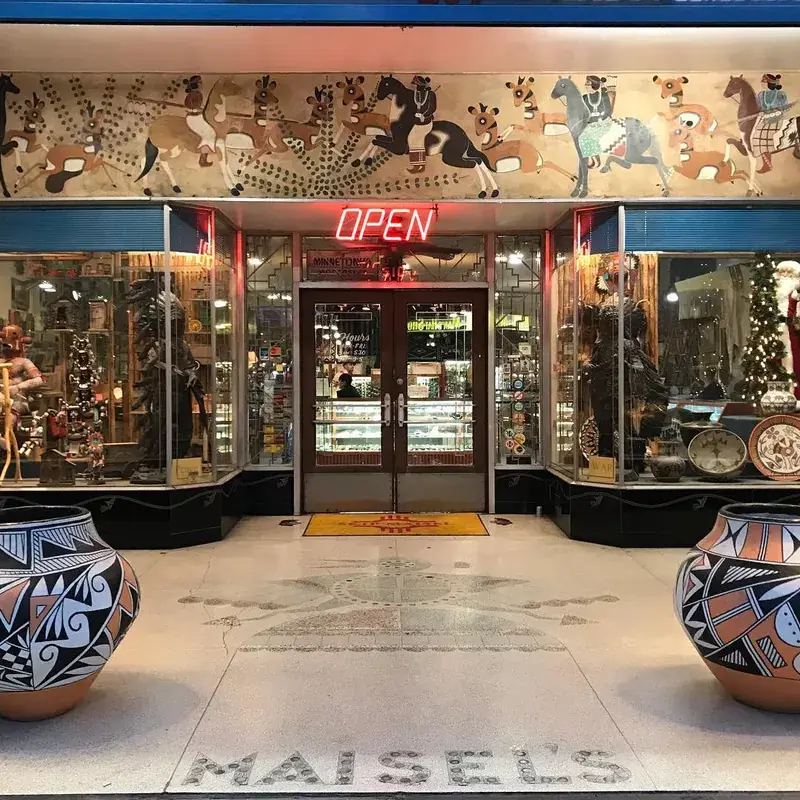
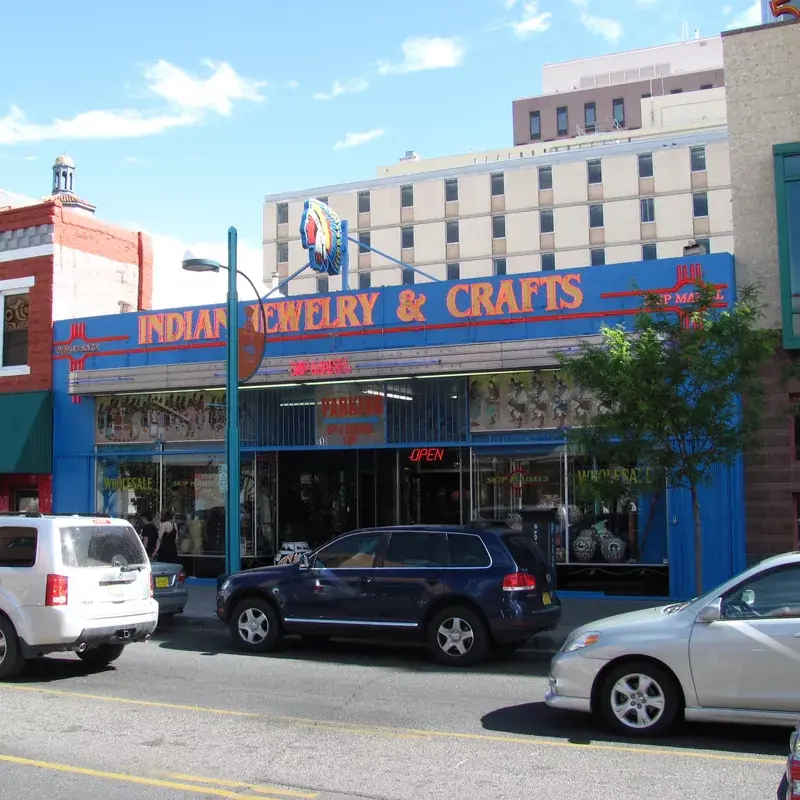
Maisel’s Indian Trading Post, located in downtown Albuquerque, sold Southwestern jewelry, pottery, baskets and art. Maurice Maisel originally opened the store, built in a Pueblo Revival style, in 1939. Maisel’s architect, John Meem, hired a number of young American Indian artists to paint murals on the storefront. By the 1940s, the store was Route 66’s largest trading post and provided jobs for 300 native craftspeople. The mural painters went on to become famous artists, and their work is held in major museum collections. The store is on the National Register of Historic Places and closed in 2019, but the murals can still be seen from the outside.
Acoma Pueblo
Location: Interstate 40, Exit 102, Acoma, New Mexico Price: $25 (admission and tour) Best time of year to visit: March to November
Why You Should Stop at the Acoma Pueblo
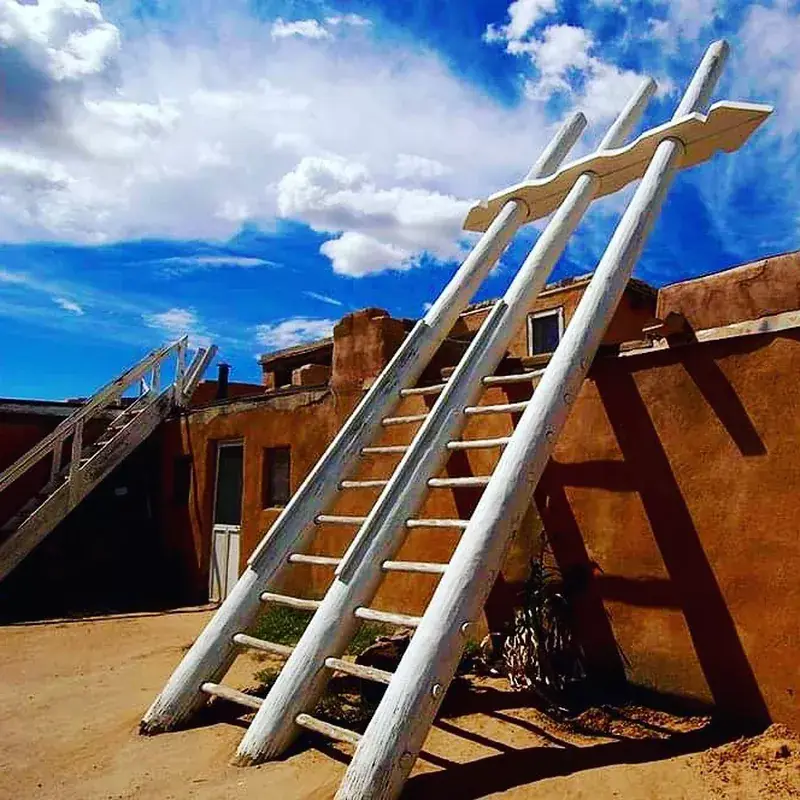
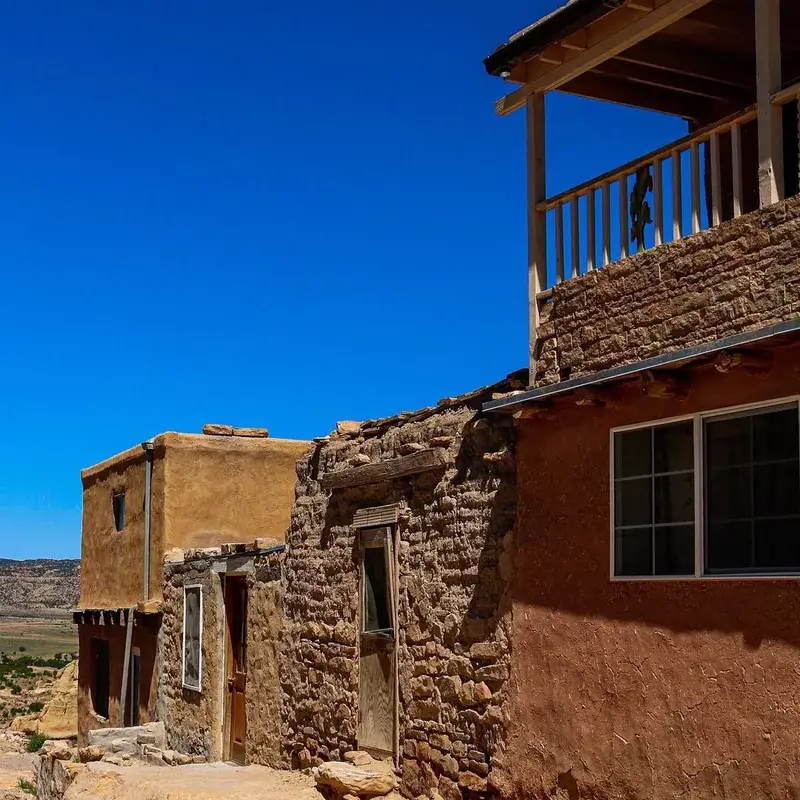
The Acoma Pueblo (called Sky City) is the oldest continually inhabited place in the U.S. The Pueblo, with its traditional mud-brick construction, was first built in the 12th century atop a sandstone mesa, or bluff, which gave the site a natural defensive position. Only about 50 residents still live here. The San Estevan del Rey MIssion Church, built in 1640, forms part of the complex. The mission and the pueblo are Registered National Historic Landmarks. Sky City has a new RV park for people traveling Route 66 in recreational vehicles. Local guides offer tours, and facilities include a museum, cultural center, casino, hotel and cafe.
Painted Desert Inn
Location: 1 Park Road, Petrified Forest National Park, Arizona Price: Inn is free to visit, but park admission is $25 per car Best time of year to visit: April to May, September to October
Why You Should Stop at the Painted Desert Inn
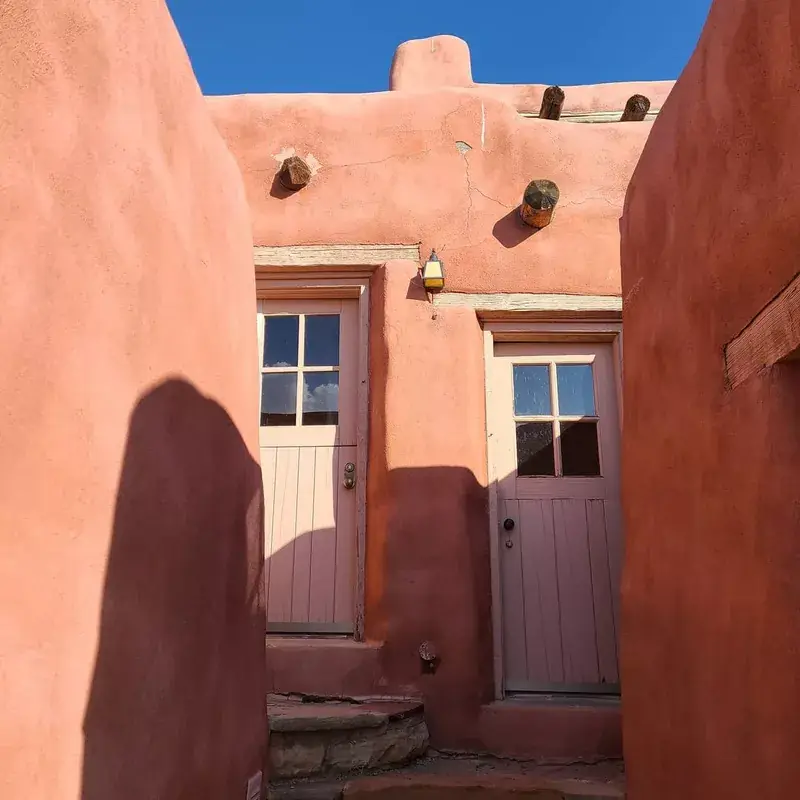
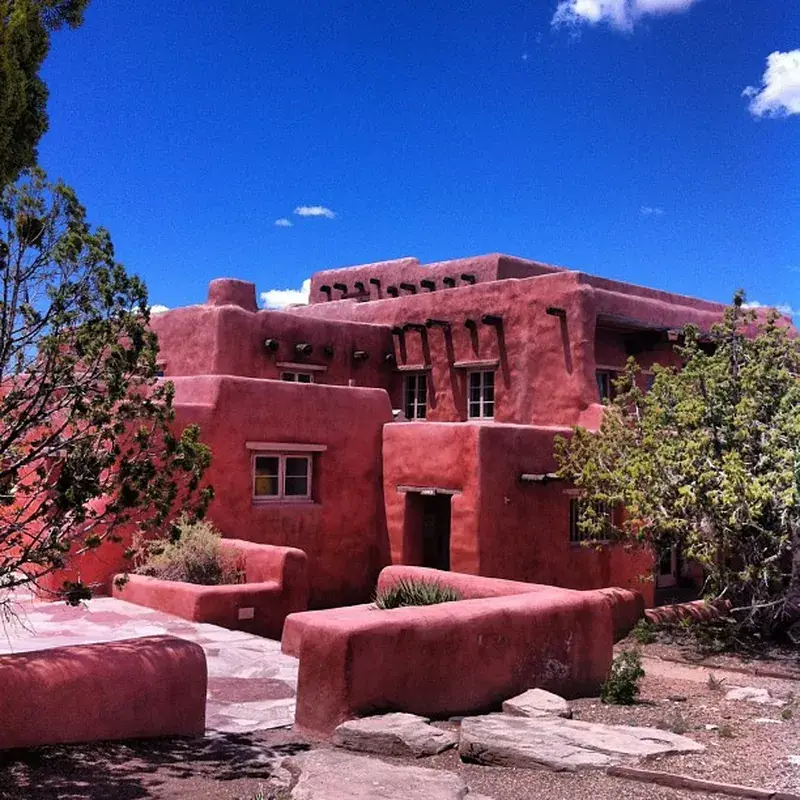
Herbert Lore originally built the Painted Desert Inn from petrified wood in 1924, calling it the Stone Tree House. He offered food, accommodation and guided motorcar tours to travelers. In 1935, the National Park Service bought the building and rebuilt it in the Pueblo Revival Style using adobe, wood and local stone. The site operated as an inn and restaurant from 1940 until it closed in 1963. A public campaign saved the building, which is listed on the National Register of Historic Places. The Painted Desert Inn was fully restored and, in 2006, reopened as a museum.
Wigwam Village Motel #6
Location: 811 West Hopi Drive, Holbrook, Arizona Price: $79-$86 Best time of year to visit: April to May, September to October
Why You Should Stop at the Wigwam Hotel
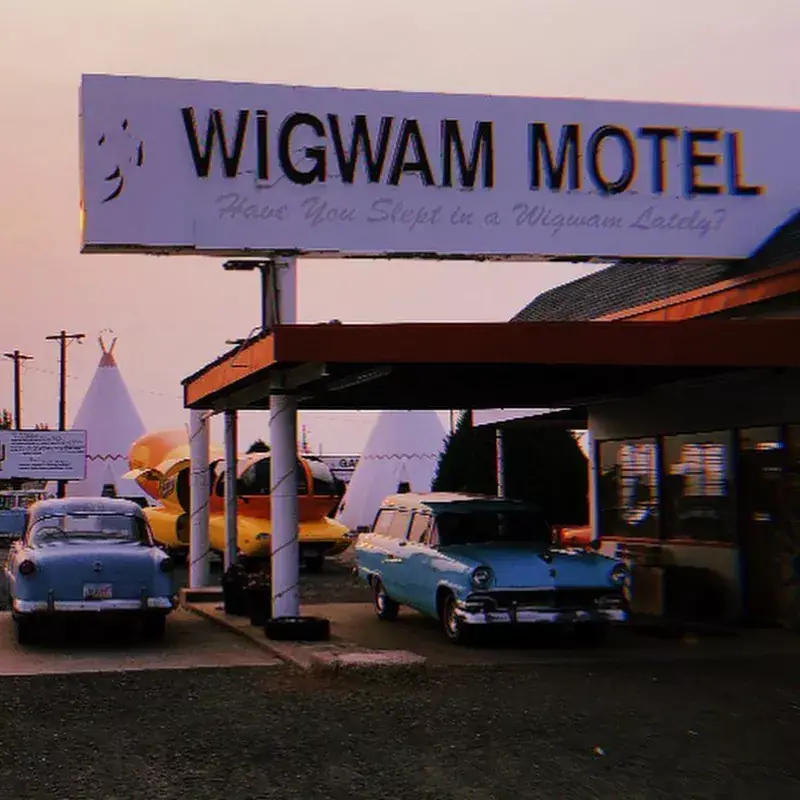
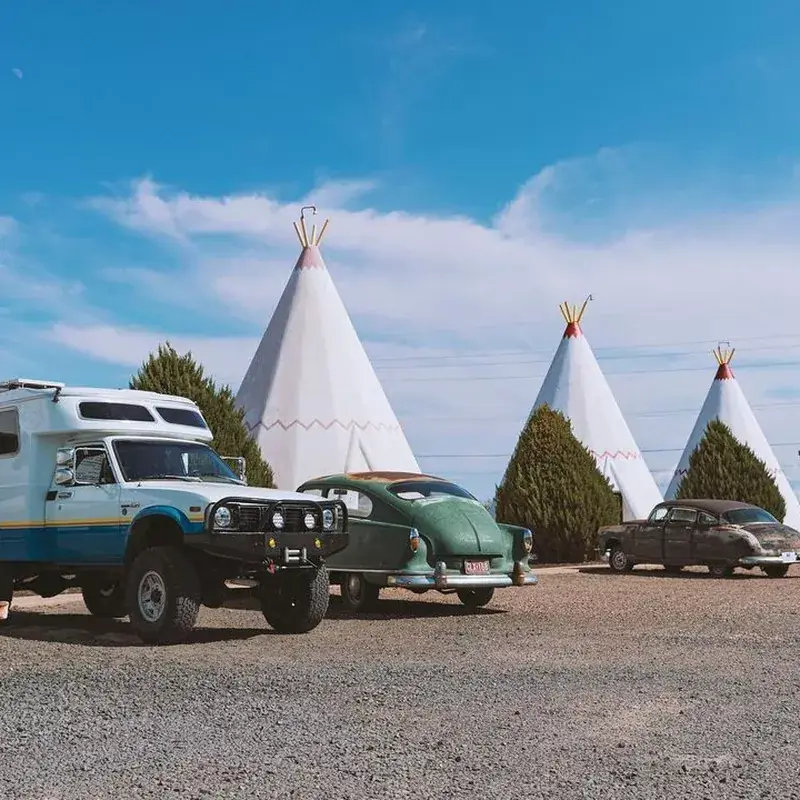
Seven Wigwam VIllages were built across the country between 1936 and the 1950s. Chester Lewis franchised the model to build his motel (Wigwam Village #6) in Holbrook along Route 66. He built 15 concrete and steel teepees in a circle around a central motel office. Each one featured hand-made hickory furniture, with a sink, toilet and shower. Lewis ran his unusual motel until the 1970s when Interstate 40 was built, bypassing the town of Holbrook. The Lewis family still runs the site as a motel, having added air-conditioning and TVs to the wigwams. Only two other Wigwam Villages in the U.S. remain today.
Barringer Crater
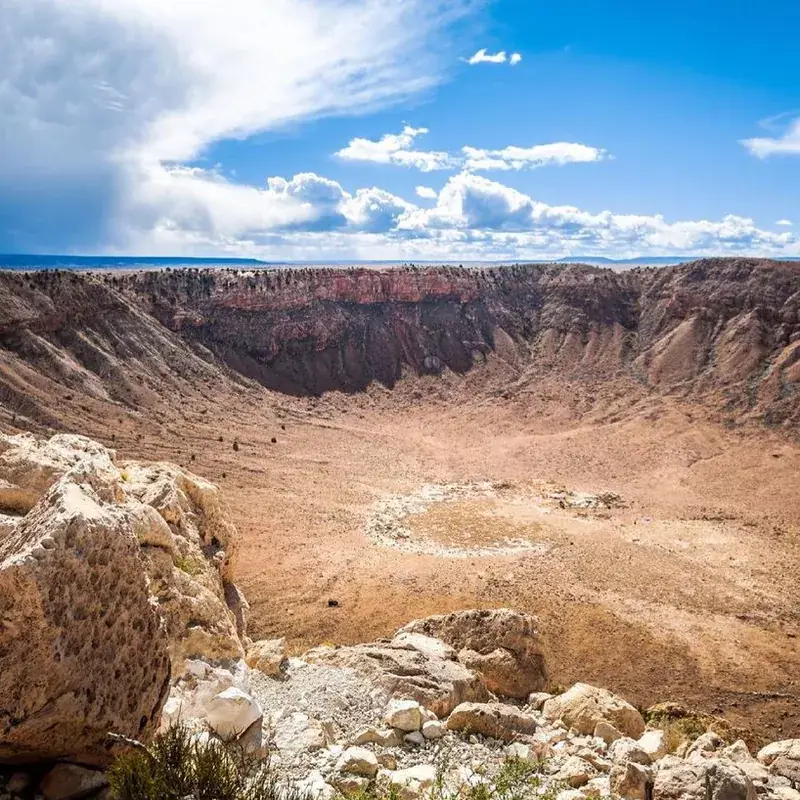
Location: Exit 233, Interstate 40, near WInslow, Arizona Price: $22 Best time of year to visit: April to May, September to October
Why You Should Stop at Barringer Crater
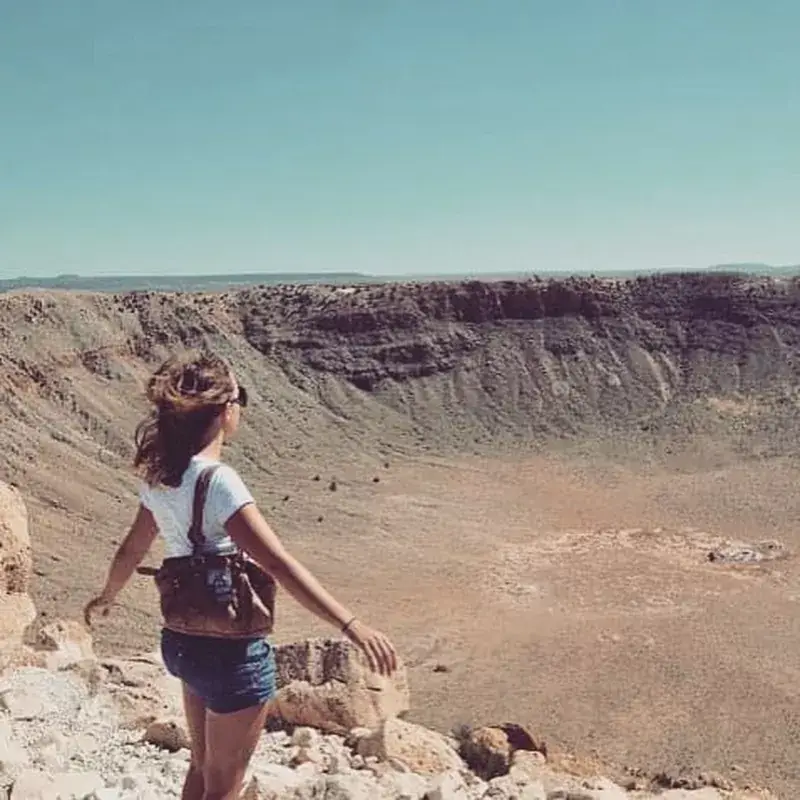
Lying west of Winslow, and 6 miles south of Interstate 40, is a massive crater. Known as Barringer’s Crater (or Meteor Crater), this was where a massive meteor, weighing over 60,00 tons, fell to Earth about 50,000 years ago. In the 1940s, astronomer D.M. Barringer built an observatory here and charged travelers 25 cents to view the crater through a telescope. The Barringer family maintains a visitor center with a space museum and theater at the rim, and guided tours are included in the price of admission.
Oatman
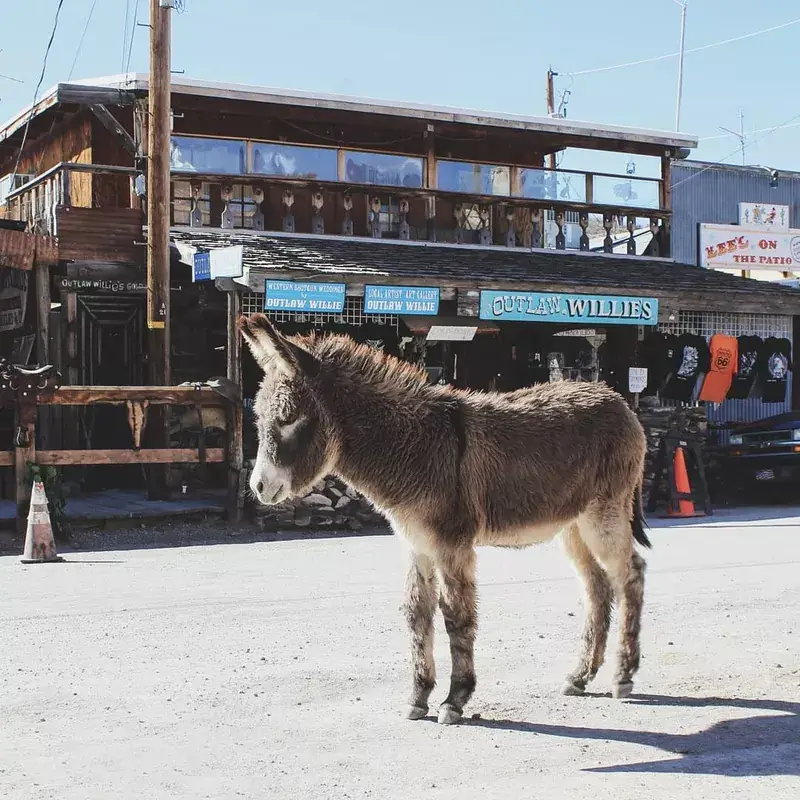
Location: Oatman, Arizona Price: Free Best time of year to visit: April to May, September to October
Why You Should Stop at Oatman
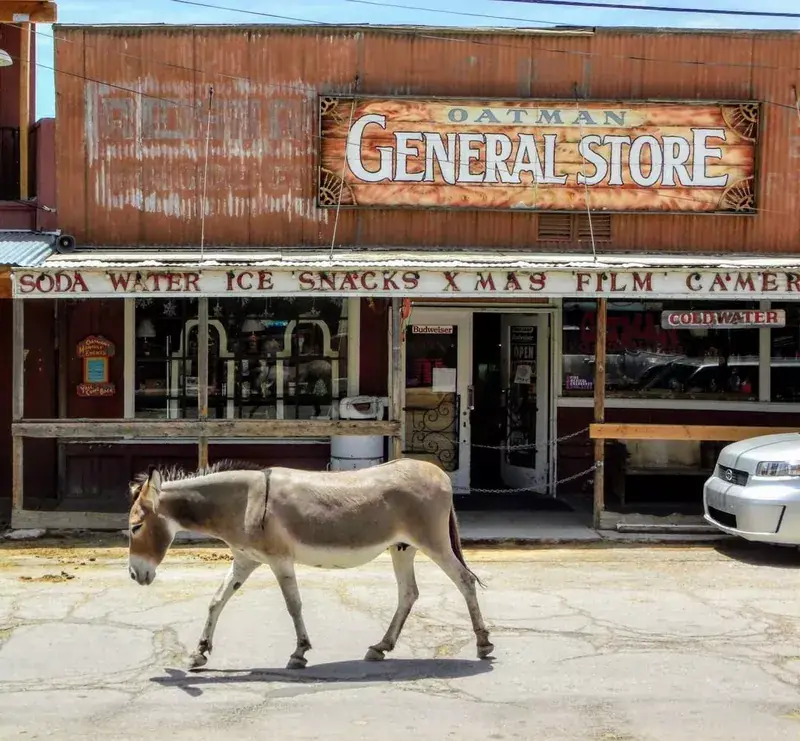
The historic mining town of Oatman was established after prospectors discovered gold nearby in 1908. The town grew quickly, and by the 1930s, the population was around 10,000 people. In 1941, the U.S. government shut down the gold mines and sent miners elsewhere to extract metals for the war effort. The local economy quickly switched to catering to travelers along Route 66. Oatman is famous for its herds of wild donkeys, whose ancestors came with the first miners, and its daily Wild West Show. The town also features the historic Durlin Hotel and the Oatman Gold Museum.
Harvey House Railroad Depot
Location: 681 North First Avenue, Barstow, California Price: Free Best time of year to visit: April to May, September to October
Why You Should Stop at the Harvey House Railroad Depot
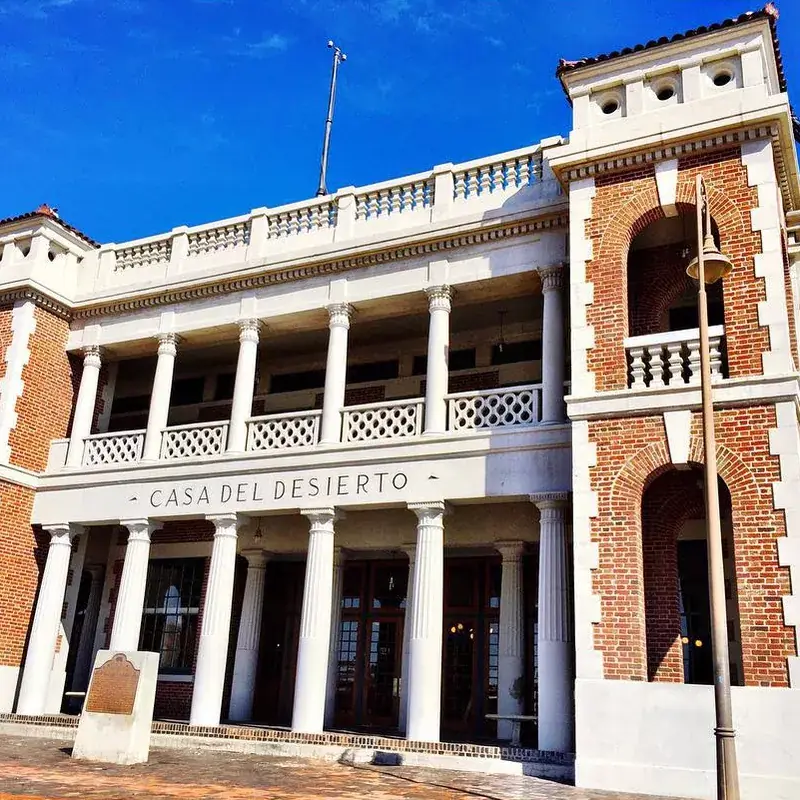
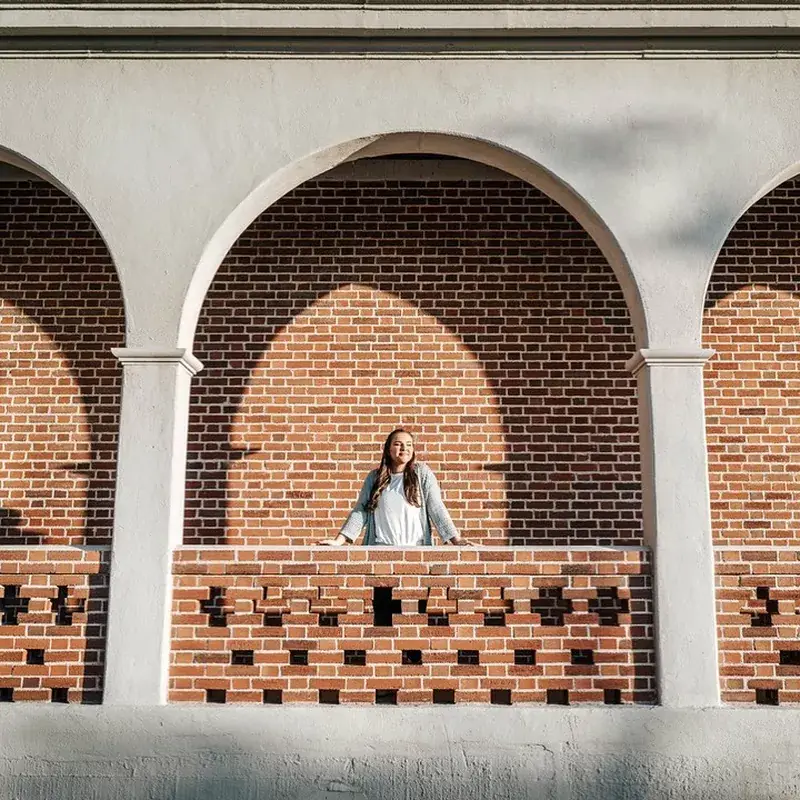
Starting in 1878, the Fred Harvey Company ran a chain of restaurants and hotels along the western railways. Before train dining cars were added, passengers had to settle for low-quality food and rushed meals at railroad stops. Fred Harvey gained an exclusive contract to provide meals for railway travelers. His company became known for the quality and efficiency of its dining services and for its highly trained waitresses, known as Harvey Girls. The depot was built in the southwestern Sante Fe style, popular in the early 1900s, and is listed on the National Register of Historic Places. The building is now home to the Route 66 Mother Road Museum.
The Original McDonald’s Museum
Location: 1398 North E Street, San Bernardino, California Price: Free Best time of year to visit: April to May, September to October
Why You Should Stop at the Original McDonald’s Museum

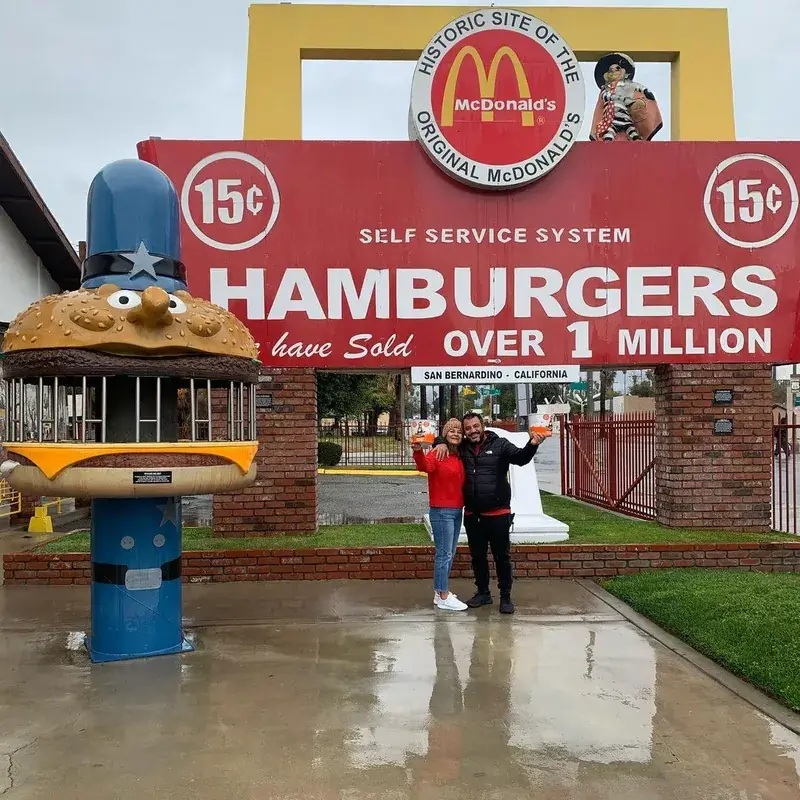
The McDonald brothers, Dick and Mac, opened the first McDonald’s restaurant here in 1948. The brothers started franchising their hamburger fast-food system and “golden arches” design in 1953. In 1954, businessman Ray Kroc met them and was impressed by their restaurant model. He partnered with the pair and began to expand the company. However, the brothers wanted to stay small and sold their interest to Kroc in 1961. Kroc went on to turn McDonalds into a multinational corporation. The museum is filled with historical memorabilia and has kept the original McDonald’s signage on the outside.
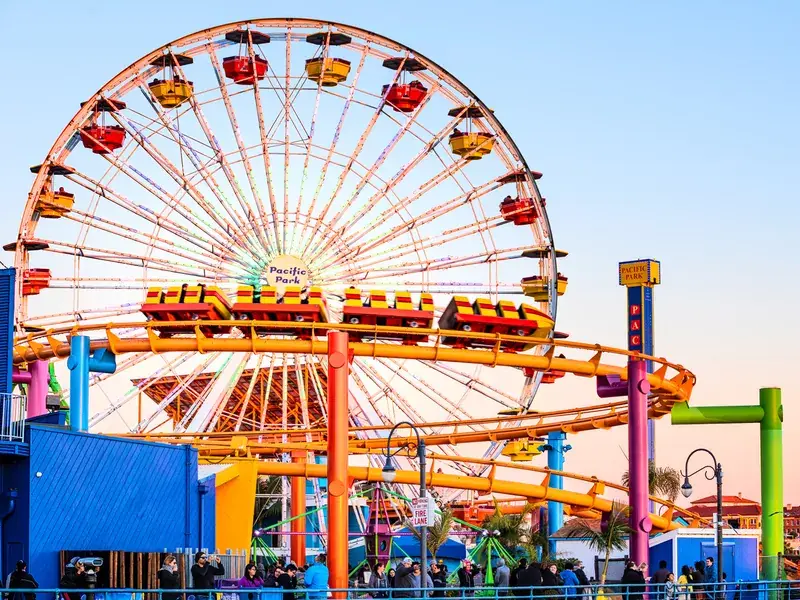
Santa Monica Pier
Location: Santa Monica Pier, Santa Monica, California Price: Free Best time of year to visit: September
Why You Should Stop at the Santa Monica Pier
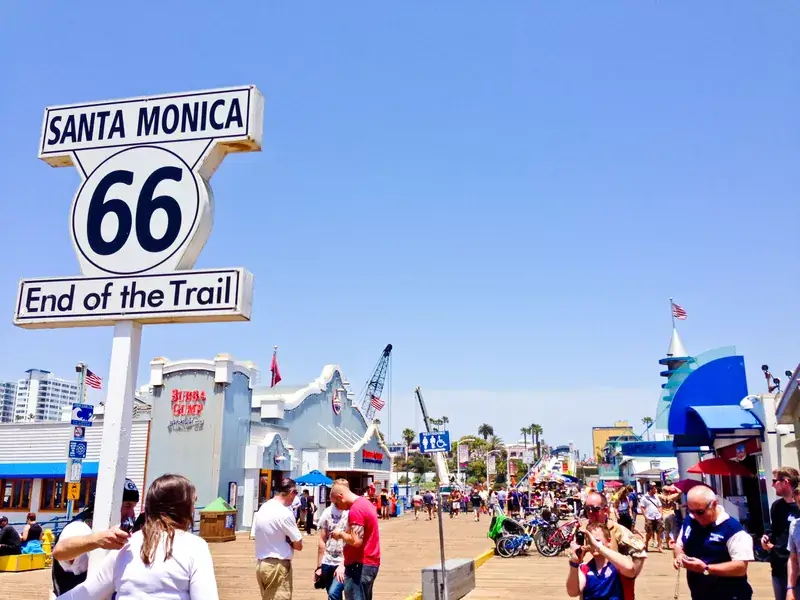
The Santa Monica Pier is the official end of Route 66 and displays an “End of the Trail” signpost. The original structure was built in 1909 and was the first concrete pier on the West Coast. In 1915, Charles Loof built a wide wooden addition on the south side and installed an amusement park. The pier was fully restored in 1990 and now contains a new amusement park, restaurants, shops and an aquarium. Outdoor movies, concerts and other events are held along the pier. In September, the city of Santa Monica holds their annual Taste of Santa Monica on the site.