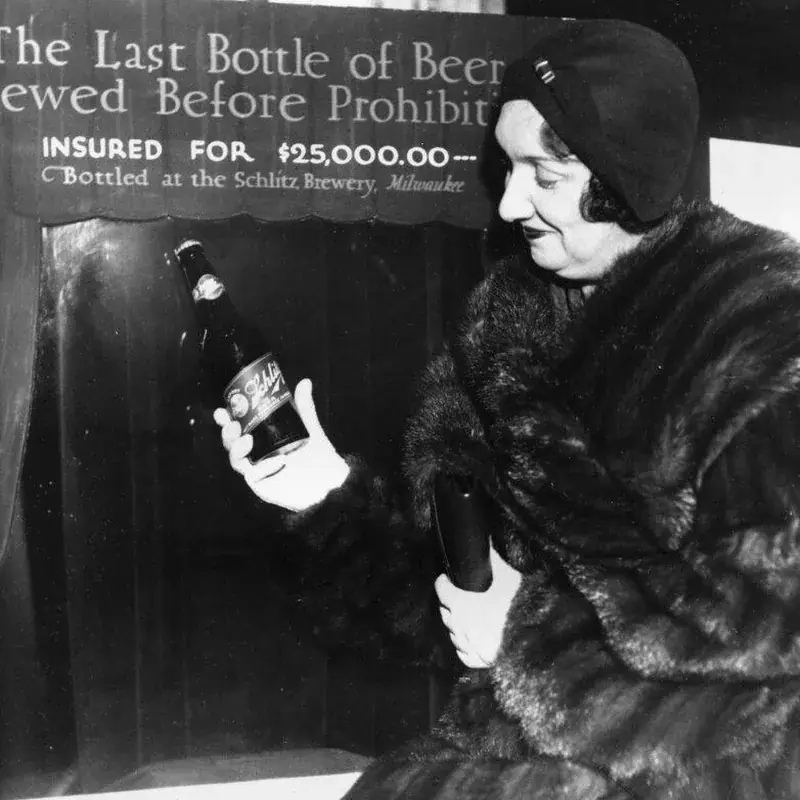
During Prohibition, the party never ended for many drinking establishments. They became known as speakeasies, hidden bars tucked away in basements or alleys that were usually run by organized crime figures, gangsters and bootleggers. Patrons were expected to follow the rules of the house and “speak easy” by ordering alcohol without raising any suspicion.
After Prohibition ended, the places on this list became legitimate watering holes, and some are still in operation today. Check out these colorful speakeasy bars and the fascinating stories behind them.
Bourbon and Branch
Location: San Francisco, California Still open: Yes
What Happened to Bourbon and Branch
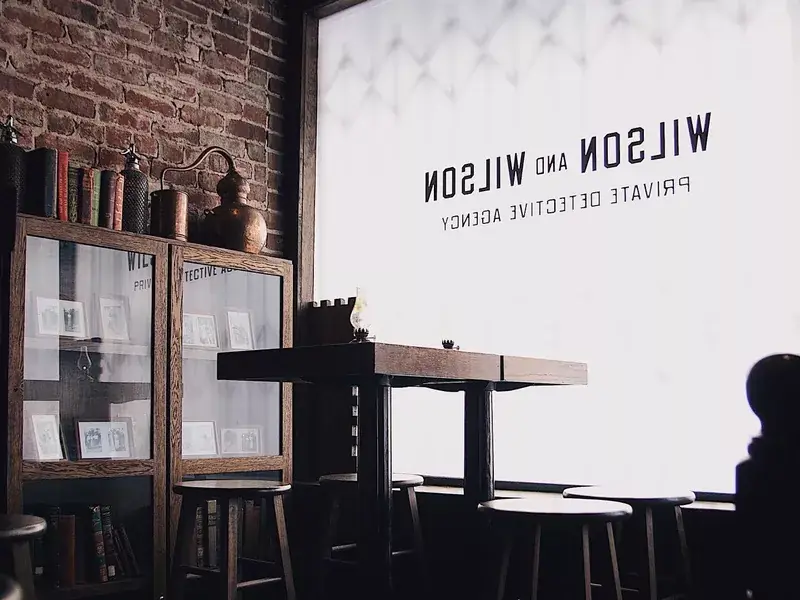
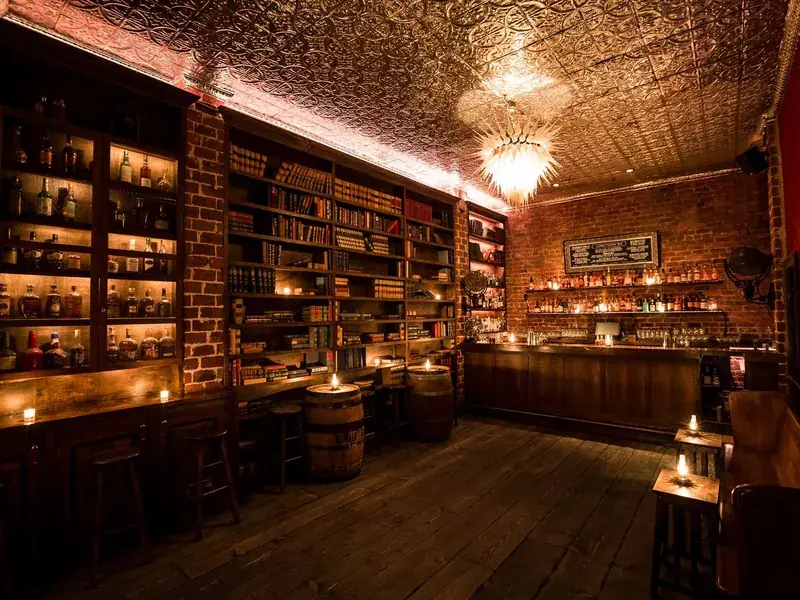
A bar has operated on the current Bourbon & Branch site since 1867, and an actual speakeasy operated illegally at this location throughout Prohibition. In 1923, it was purchased by John J. Russell, who was connected to well-known West Coast bootleggers, and the booze kept flowing in what was called “JJ Russell’s Cigar Shop.” Customers would need to provide a password to gain entry, and then if they ordered a specific brand of “cigar” a trap door would open where the visitor would then be escorted to the basement for the real deal. There are five exit tunnels that were used for escapes. Today, visitors can step foot in the main bar or in its speakeasy within a speakeasy, Wilson & Wilson — and yes, there is a password, which you are given when you make a reservation.
Townhouse & the Del Monte
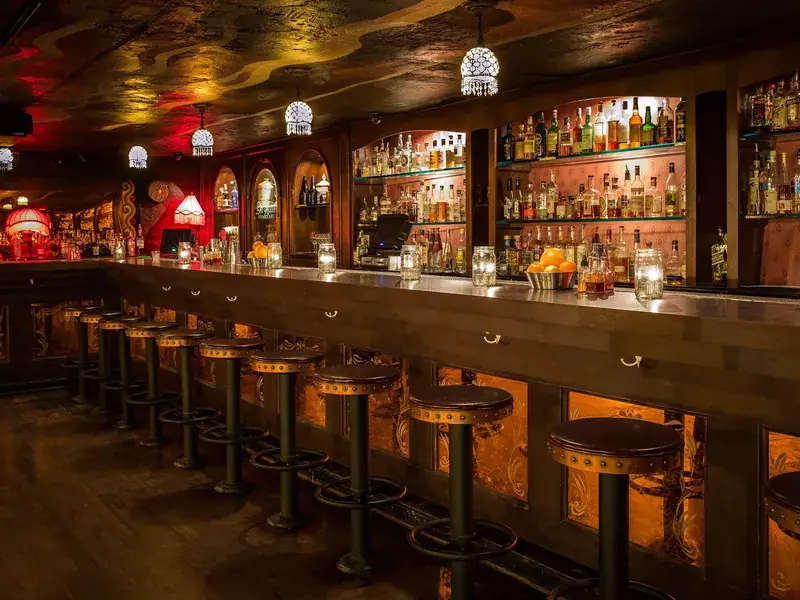
Location: Venice, California Still open: Yes
What Happened to Townhouse & the Del Monte
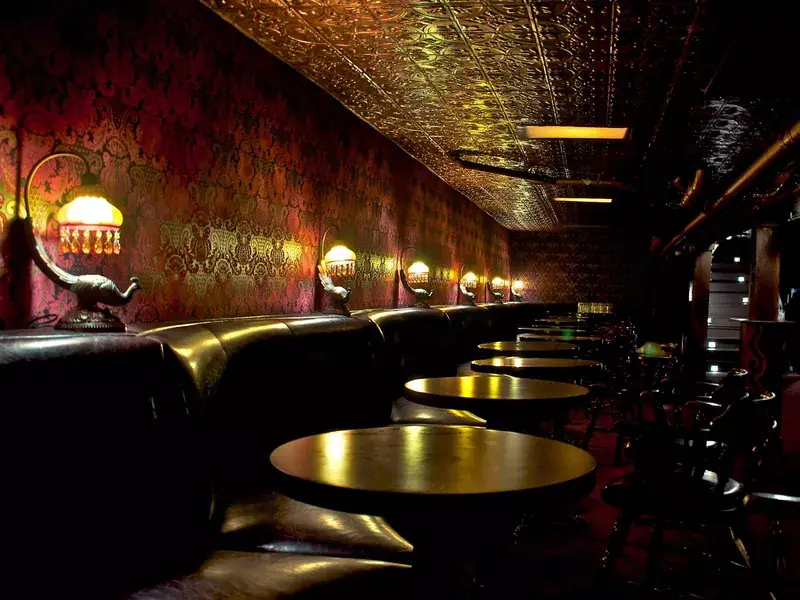
One of L.A.’s oldest drinking establishments, the Townhouse opened as Menotti’s Buffet in 1915. During Prohibition, owner Ceaser Menotti kept the party going in the basement after turning the upstairs storefront into a grocery store. Getting in the door wasn’t easy — not only did you need a connection to Caesar and his staff, but there was also no way into the basement outside of a rope-operated dumbwaiter. After Prohibition, the grocery store closed, and the bar upstairs reopened. The basement became a performance space known as Club Del Monte, which it still is today. Luckily for today’s patrons, a staircase was added.
The Mint Bar
Location: Sheridan, Wyoming Still open: Yes
What Happened to the Mint Bar
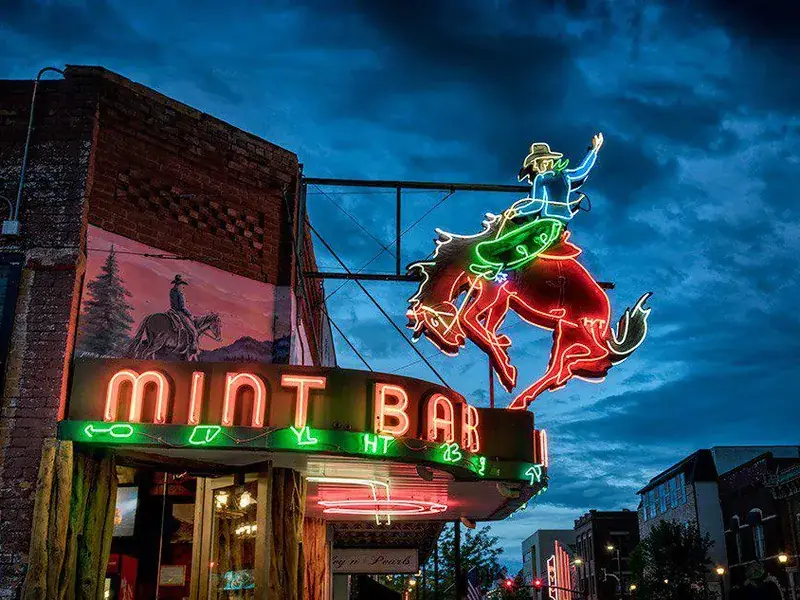
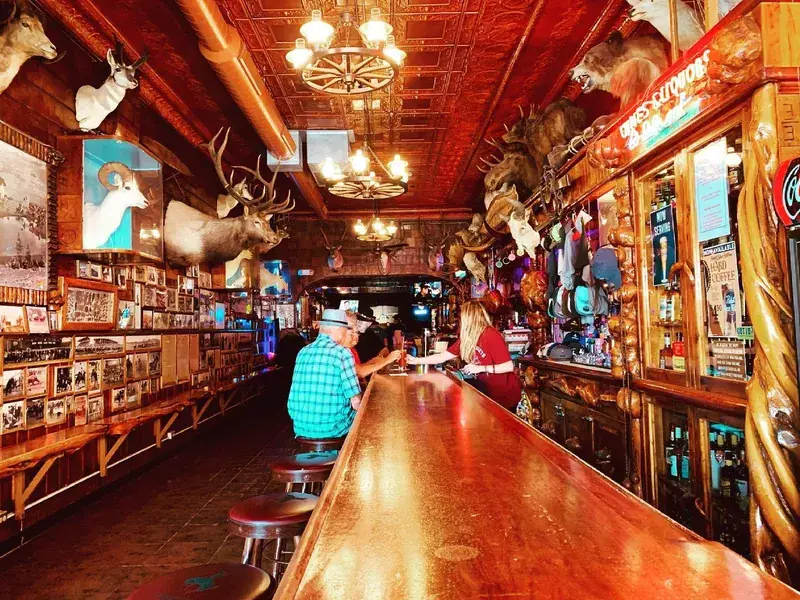
The Mint Bar opened as the Mint Saloon in 1907 and became the Mint Cigar Company and Soda Shop during Prohibition. The wooden bar in the storefront was removed, but that didn’t mean the owners stopped serving — they just put a speakeasy in the back of the building. After Prohibition’s repeal, the cigar company and soda shop were retired, and the Mint became the go-to establishment for local cowpokes and visitors alike. Today, travelers on their way to Yellowstone stop in for a drink and mingle with locals while taking in the bar’s retro vibe.
The Green Mill
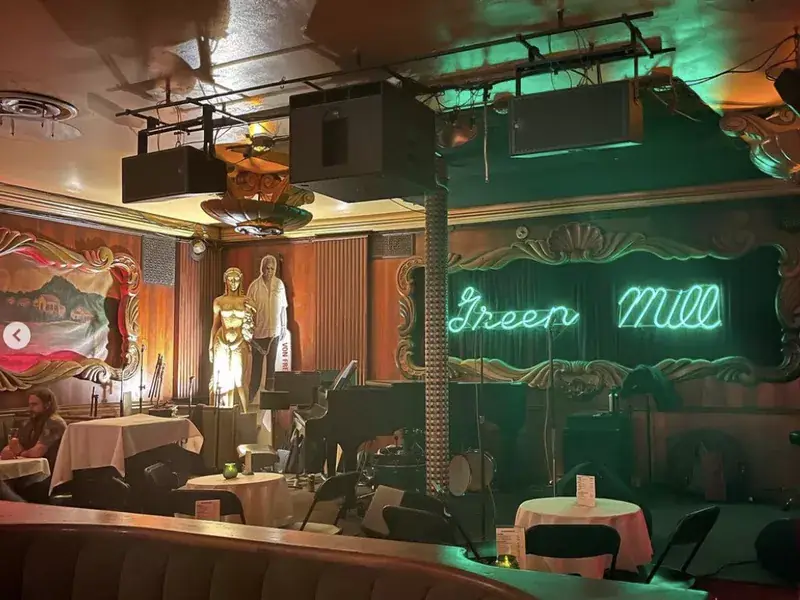
Location: Chicago, Illinois Still in use: Yes
What Happened to the Green Mill
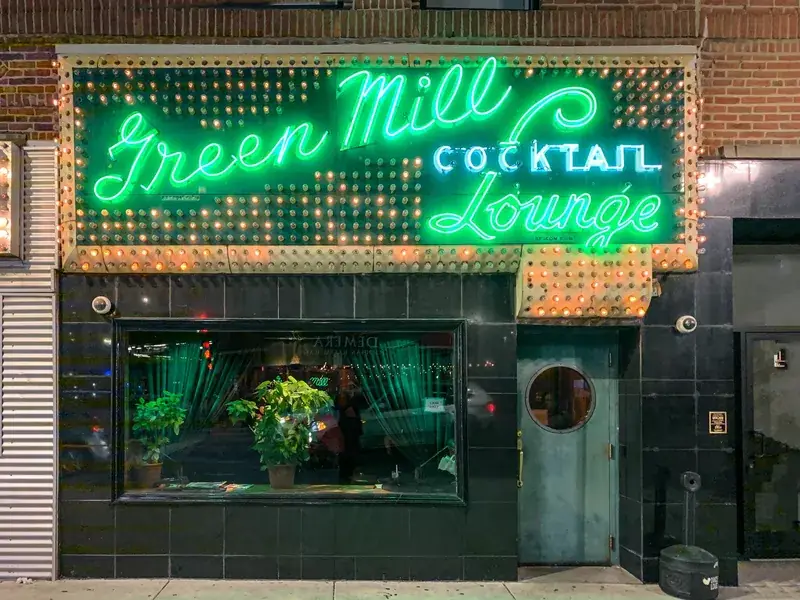
The Green Mill was a home away from home for legendary gangster Al Capone during Prohibition. Gangster “Machine Gun” Jack McGurn was the owner, and one of Capone’s closest confidants. Capone’s favorite booth faced the entrances and exits of the bar, but when things got too close for comfort, he’d exit via a trap door behind the bar to tunnels that led him to other buildings in the area. The Green Mill continued with business as usual after Prohibition, and in 1986, a new owner took over and restored it. Today, the historic speakeasy hosts local and international jazz acts and is home to the Uptown Poetry Slam on Sunday nights.
The King Eddy
Location: Los Angeles, California Still in use: NA
What Happened to the King Eddy
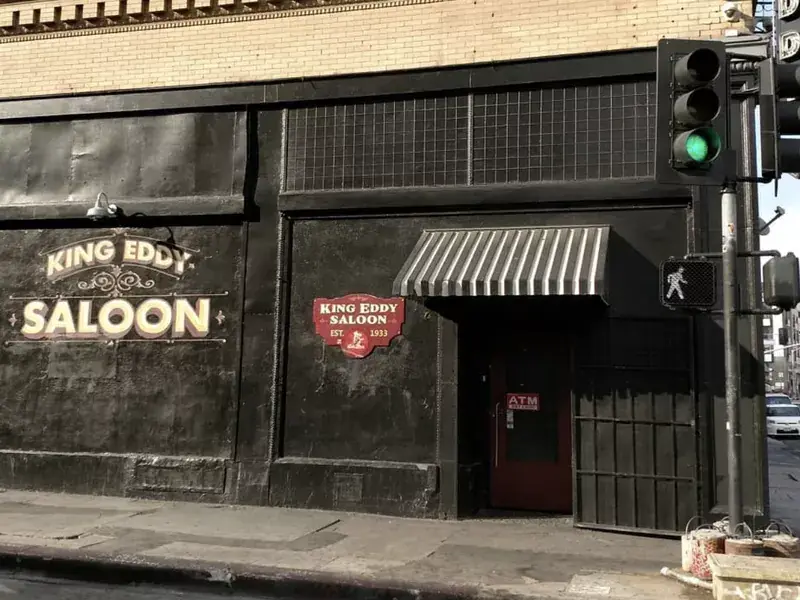
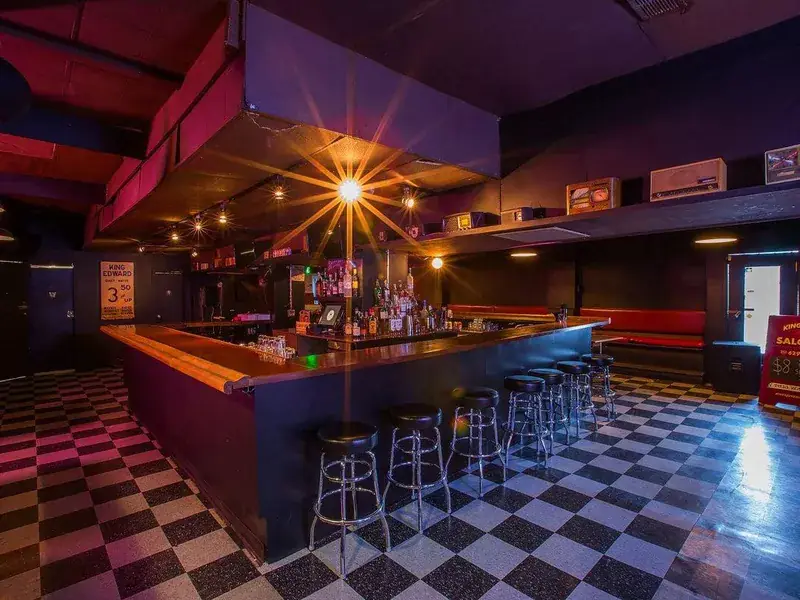
The King Eddy is L.A.’s premier dive bar. It opened in 1906 as a watering hole in the then elegant King Edward Hotel in what is now Skid Row. During Prohibition, the bar was hidden in the basement, while operating a piano store upstairs. That basement space is now used for storage, and the underground tunnels leading to it from other locations in Skid Row were bricked up years ago. But the bar reopened upstairs after Prohibition to serve the likes of writer Charles Bukowski and actor Kiefer Sutherland. It is temporarily closed (due to COVID), but it should be making a comeback as more and more businesses open.
Flûte Bar and Lounge
Location: New York, New York Still open: Yes
What Happened to Flûte Bar and Lounge
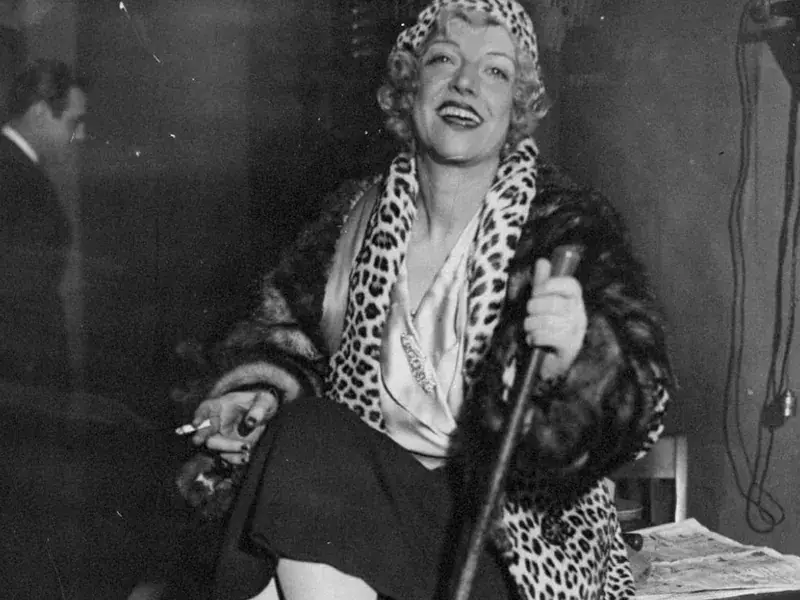
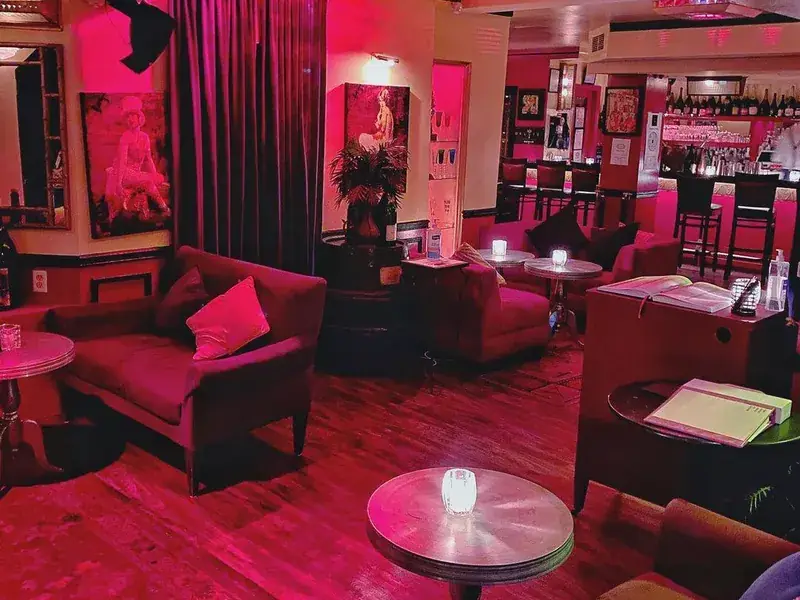
While Flûte Midtown isn’t the original bar in the space it occupies, it was the former home of a speakeasy run by Texas Guinan. Guinan was an actress who became a nightclub owner during the Jazz Age. She was well known for flaunting her disregard for Prohibition and kept the drinks flowing through the ban. The location at 205 W. 54th Street is just one of the places where writers, celebrities, showgirls and gangsters shared laughs over cocktails. Flûte Midtown continues to carry the tradition of Guinan’s speakeasy in its intimate lighting, cozy booths and strong cocktails.
Light Horse Tavern
Location: Jersey City, New Jersey Still in use: Yes
What Happened to the Light Horse Tavern
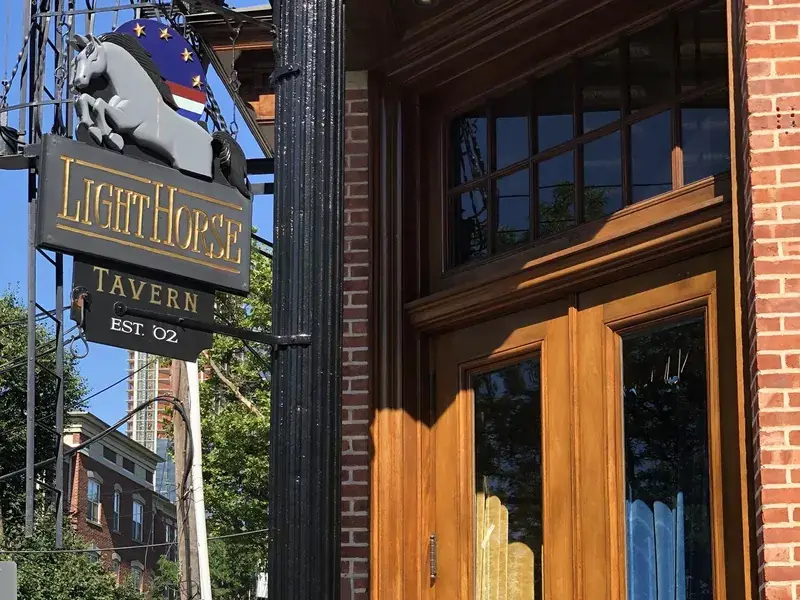
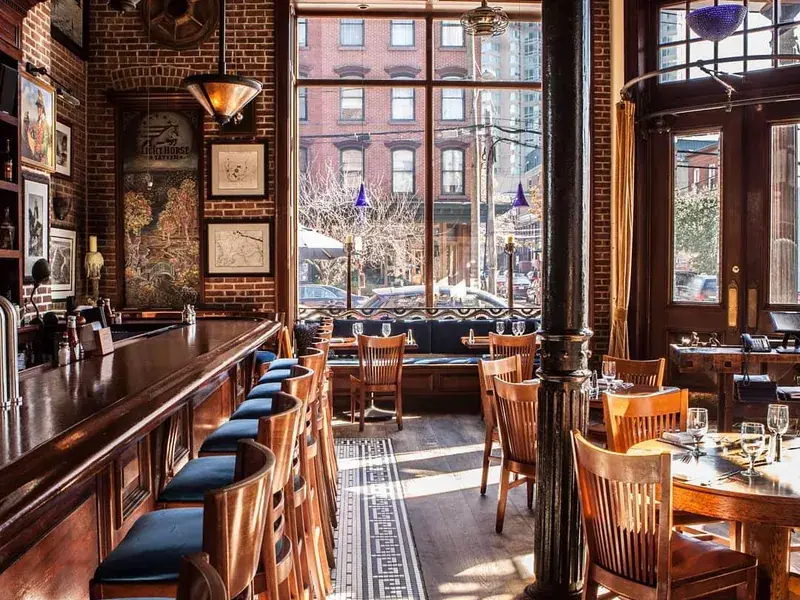
The oldest bar on this list, the Light Horse was built from a tavern that began life in the 1850s. Named, after Henry Lee III, the governor of Virginia known as “Light Horse Harry,” the tavern became a speakeasy in the 1920s and still serves today. This historical landmark not only features delicious food and drinks, its boats pre-Civil War-era oak plank floors, tin ceilings and ironwork.
McGillin’s Olde Ale House
Location: Philadelphia, Pennsylvania Still open: Yes
What Happened to McGillin’s Olde Ale House
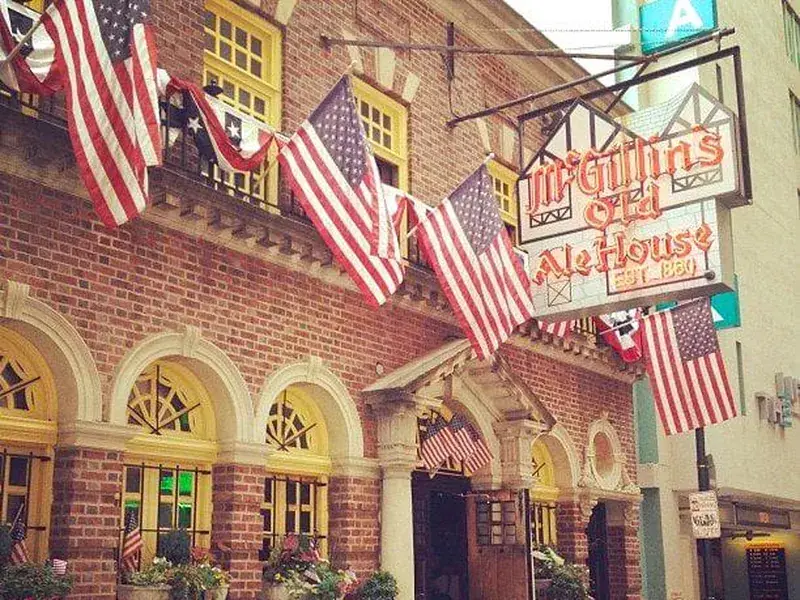
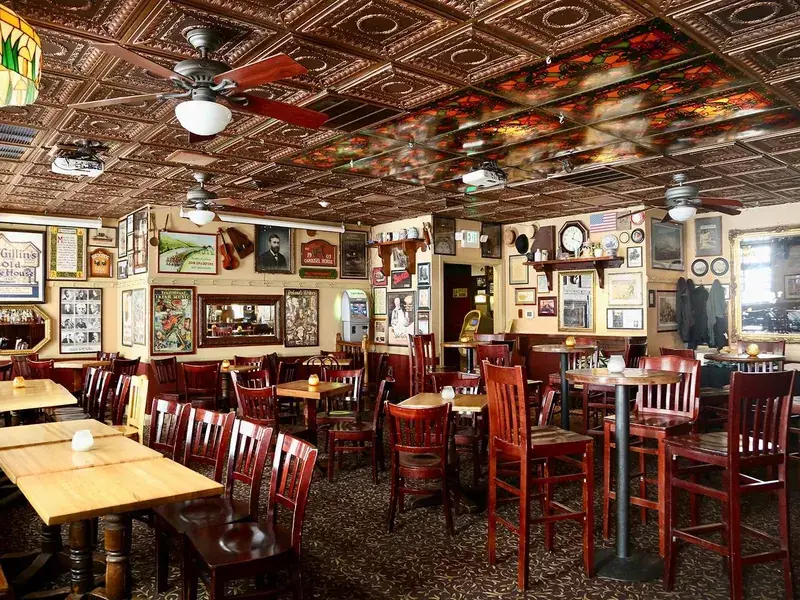
To give you an idea of how old McGillin’s is, Abraham Lincoln was president when it opened. This hard-to-find bar located in a small alley in downtown Philly has been owned by only two families. During Prohibition, it made the switch to being an eatery, but there was a speakeasy upstairs for those who wished to imbibe. McGillin’s has been serving up cold beer and delicious bar food ever since. It’s also worth visiting for the decor, which reflects little pieces of its history.
Schaller’s Pump
Location: Chicago, Illinois Still open: No
What Happened to Schaller’s Pump
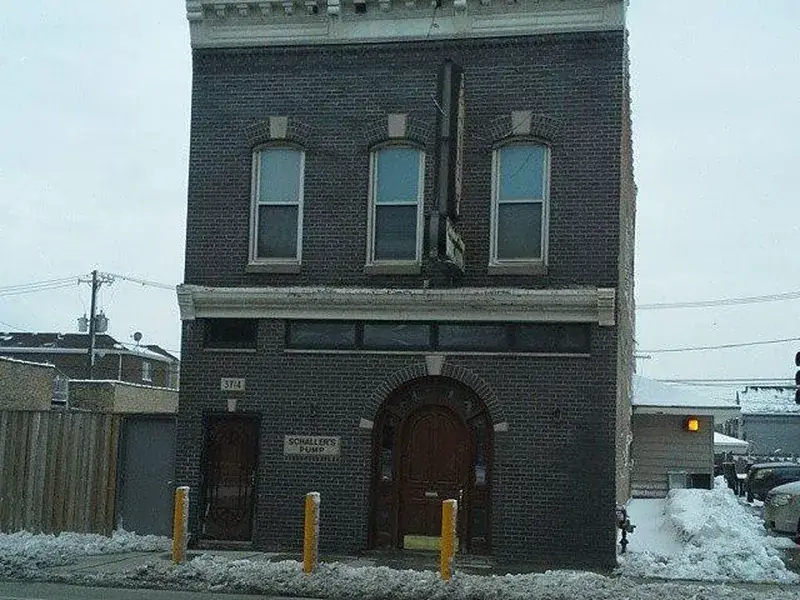
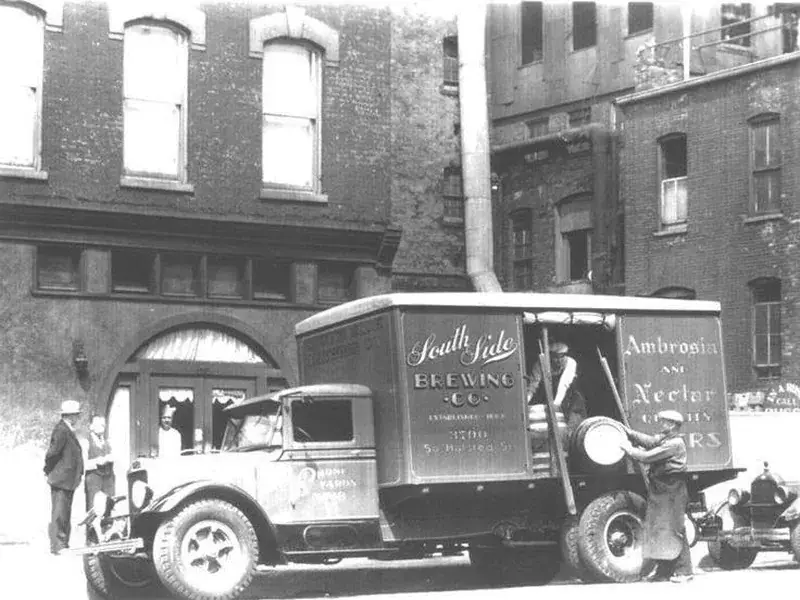
Schaller’s Pump opened well before Prohibition in 1881. During the ban, this local landmark was a speakeasy, and it is alleged that the brewery next door kept its taps flowing at the time. In other words, there wasn’t much actual inventory on hand, which made things easier in the event of a raid. While the business survived Prohibition, it couldn’t survive the death of its owner, Jack Schaller, the grandson of the founder, who lived upstairs and was the proprietor. Schaller’s Pump closed for good in 2017.
The Cave
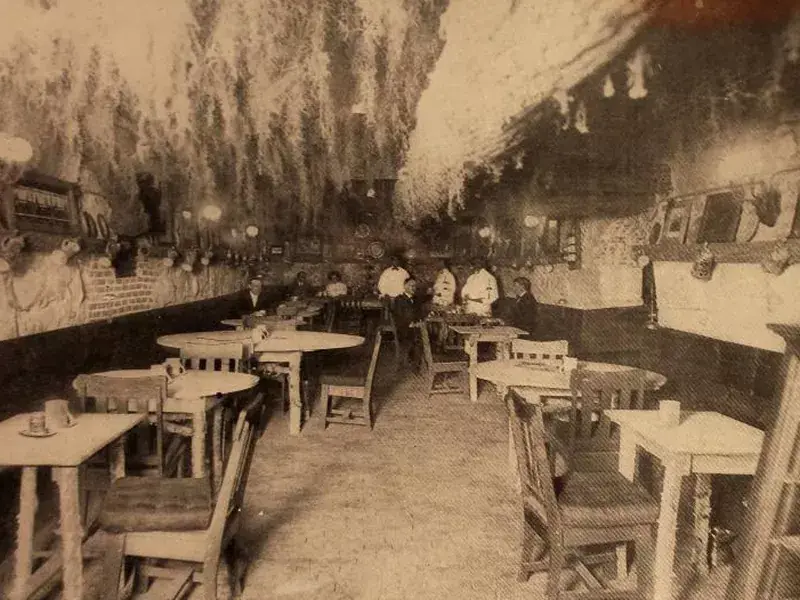
Location: Bretton Woods, New Hampshire Still open: Yes
What Happened to The Cave
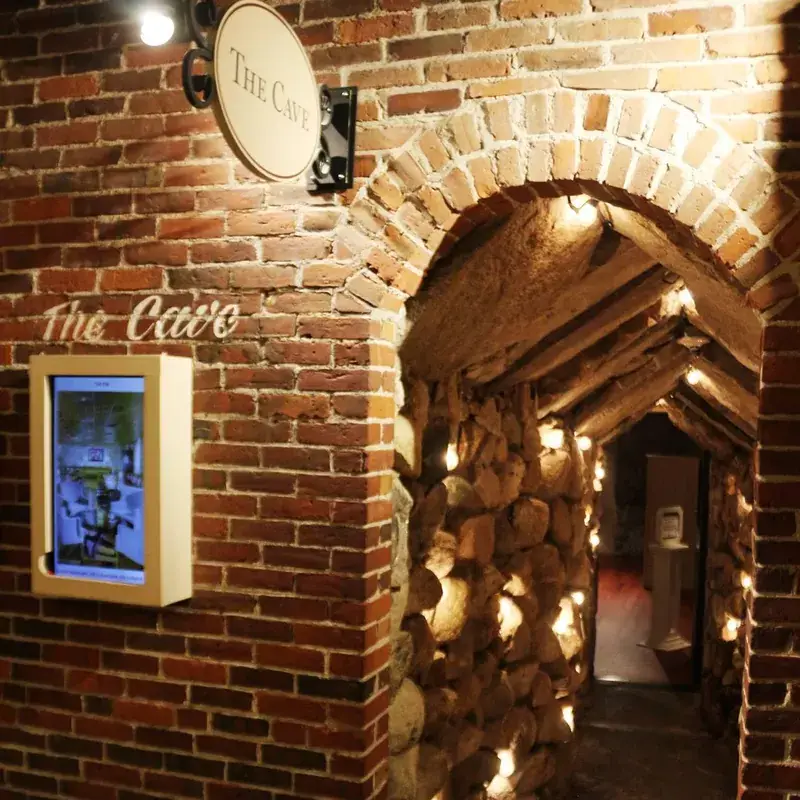
In the basement of Bretton Woods’ Omni Mount Washington Resort Hotel, The Cave still serves drinks and food to visitors and locals alike. Named as such due to its stone walls, this was a real illegal establishment during Prohibition with a lookout window facing the route leading to the hotel. The bar was originally a squash court, and whenever the Feds showed up, proprietors closed up the bar area, dumped the alcohol down a trapdoor and pulled out the squash rackets.
The Majestic Restaurant
Location: Kansas City, Missouri Still open: Yes
What Happened to the Majestic Restaurant
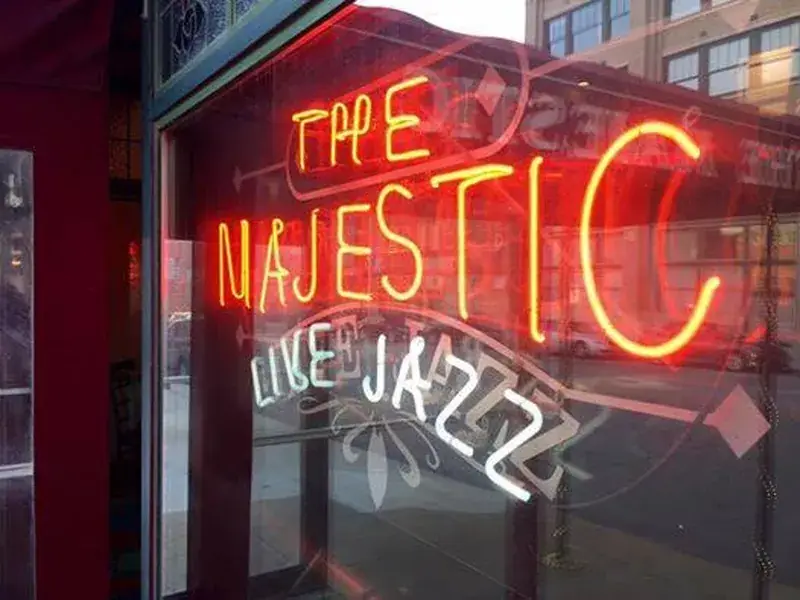
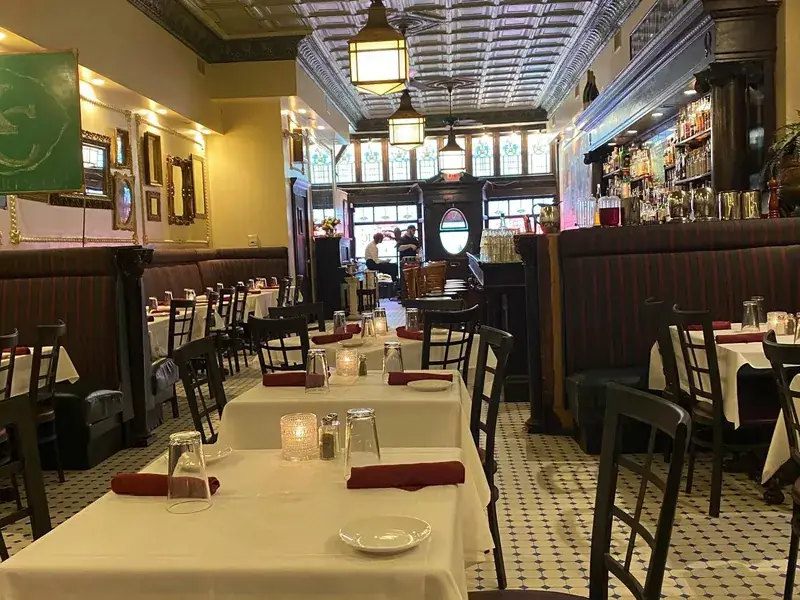
Formerly the site of Fitzpatrick’s Saloon, the bar moved into the basement during Prohibition, and the main area became a haberdashery. Today, the Majestic houses the Kansas City Jazz Club in the former speakeasy space and features live jazz nightly.
Gallagher’s Steakhouse
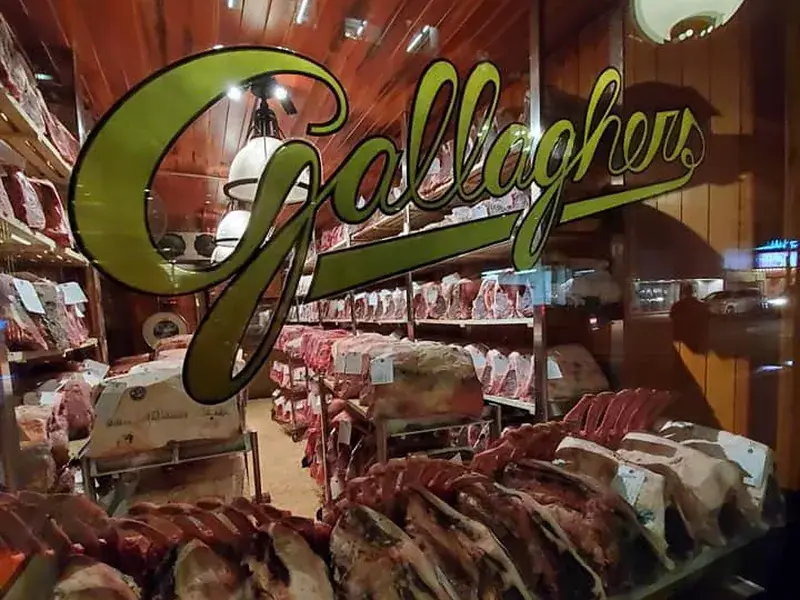
Location: New York, New York Still open: Yes
What Happened to Gallagher’s Steakhouse
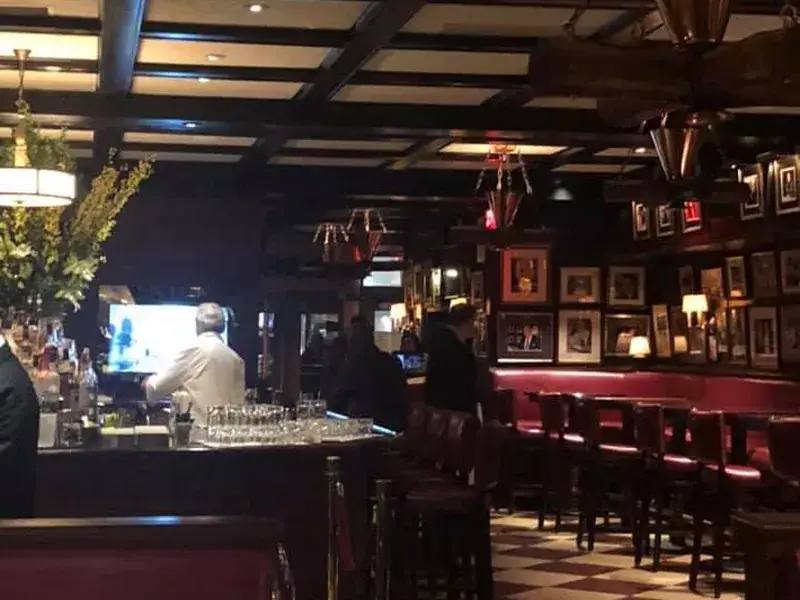
Gallagher’s started life as a speakeasy and home away from home to everyone from Broadway stars to New York socialites. When Prohibition was repealed, it became the first steakhouse in the U.S. and is still going strong in the Theater District today. This meat-lovers paradise still has its horseshoe bar and windowed meat locker, but its menu has been updated to reflect modern palates.
Frolic Room
Location: Los Angeles, California Still open: Yes
What Happened to Frolic Room
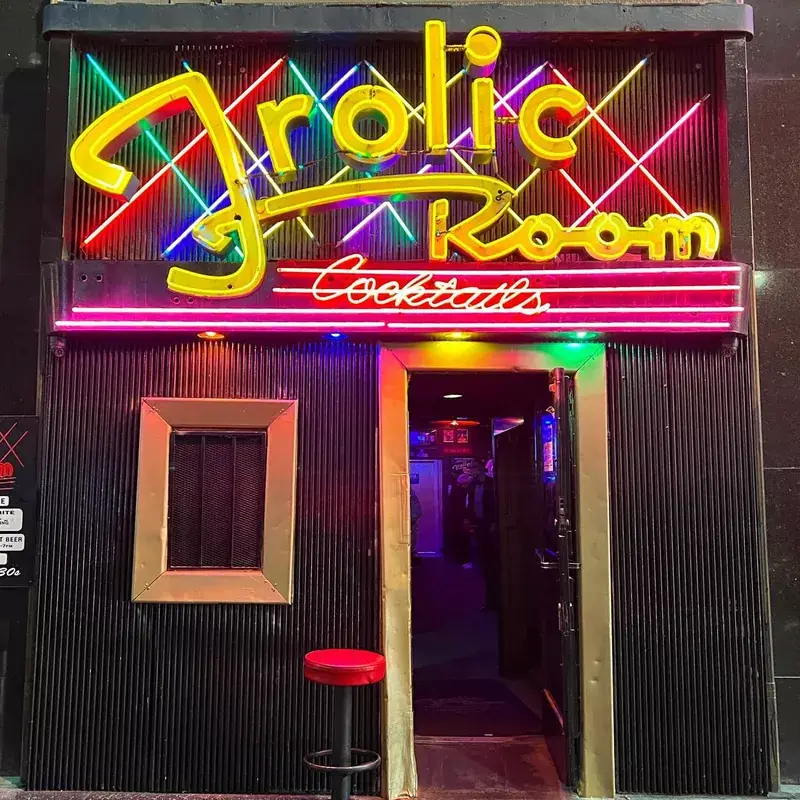
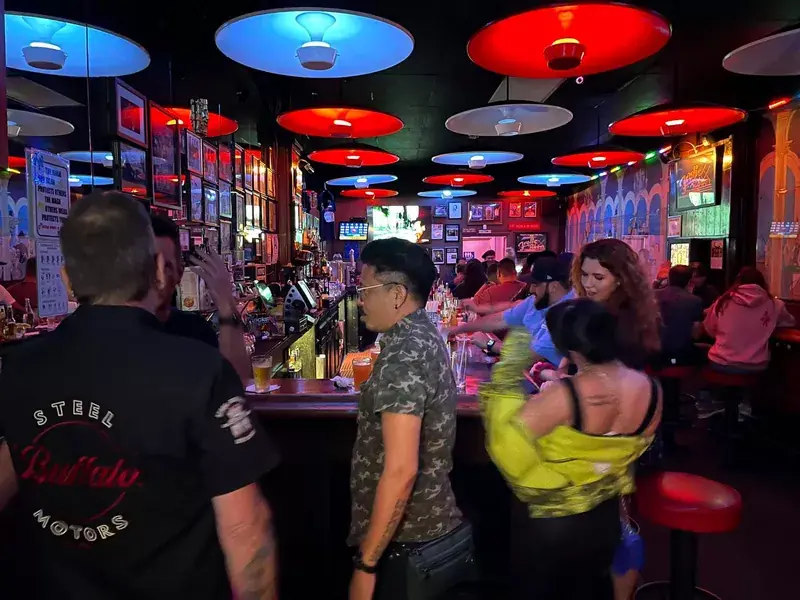
Before it was the Frolic, it was originally called Freddy’s, a speakeasy that catered to patrons of the Pantages Theater who entered through a secret door. The bar opened to the public in 1934 and is alleged to be the last place Elizabeth Short (aka the Black Dahlia) was seen alive. Judy Garland, Frank Sinatra and other legendary Hollywood stars were all visitors. The Frolic has been a favorite of celebrities and tourists alike ever since. Eccentric billionaire Howard Hughes, who once owned the bar, added the iconic neon sign that fronts the bar today.
Merchants Cafe and Saloon
Location: Seattle, Washington Still open: Yes
What Happened to Merchants Cafe and Saloon
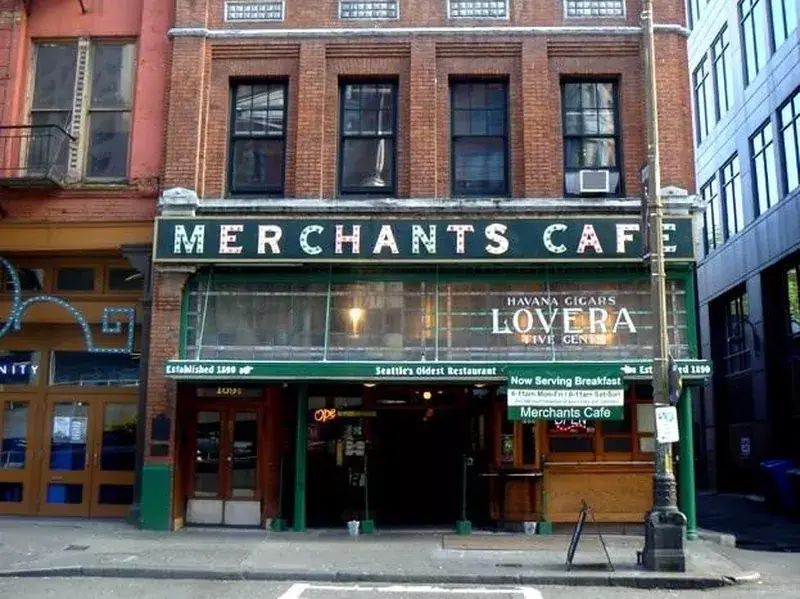
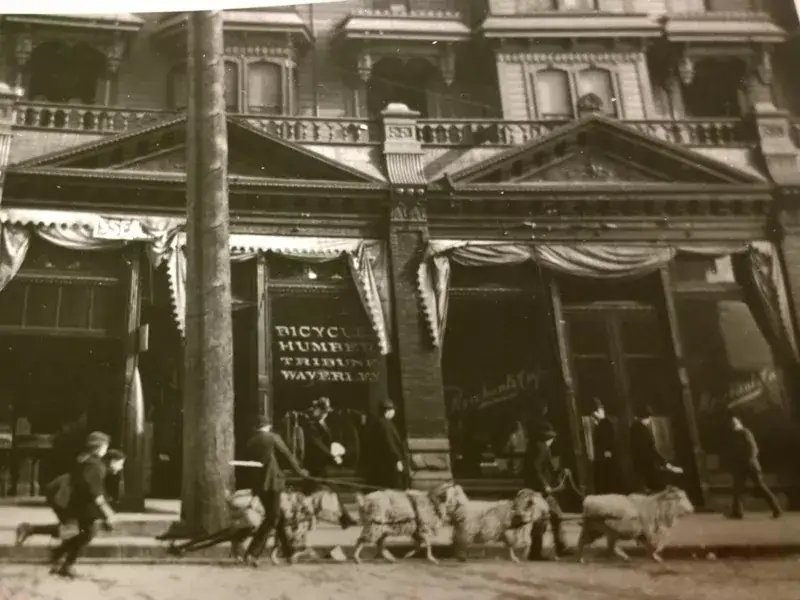
Merchants began life at the end of the 19th century, and unlike the other bars on this list, it became a speakeasy around 1916 due to the city’s dry laws. Proprietor FX Schreiner just paid off the cops and moved the bar — and an adjoining gambling room — to the basement at the time. While there is no longer a need for an underground speakeasy, the bar still serves stiff drinks and a full menu on the ground floor. Also, rumor has it that the place is haunted by friendly spirits.
Chumley’s
Location: New York, New York Still open: No
What Happened to Chumley’s
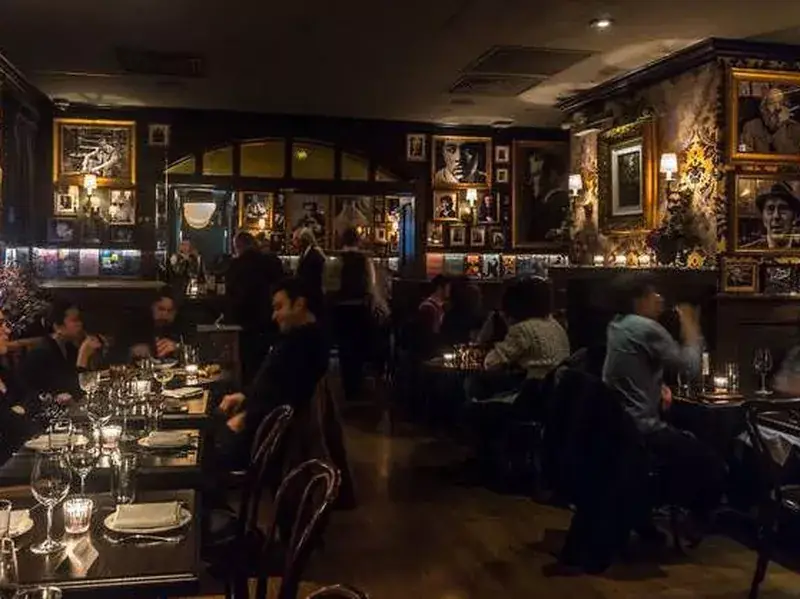
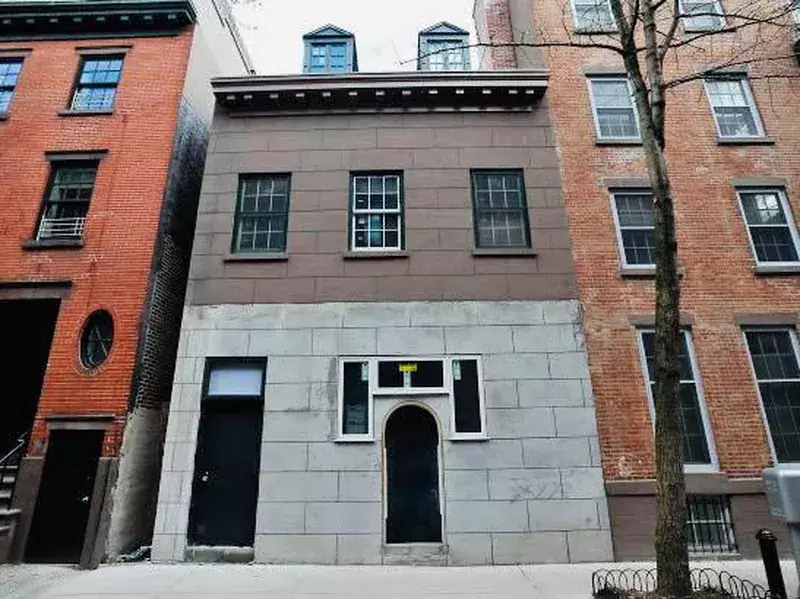
Chumley’s opened in 1922 and featured some remnants of its Prohibition-era history. Its entrances remained unmarked throughout its history, and the bar still had the trap doors and secret stairs that patrons would take to avoid a raid. Rumor has it that the term “86” originated here. It either meant that a too-drunk guest was escorted out of the Bedford Street door (it’s address was 86 Bedford Street), or when tipped off about a raid, that’s the where patrons would exit. The bar lasted nearly a hundred years, but the COVID lockdown shuttered it permanently in 2020.