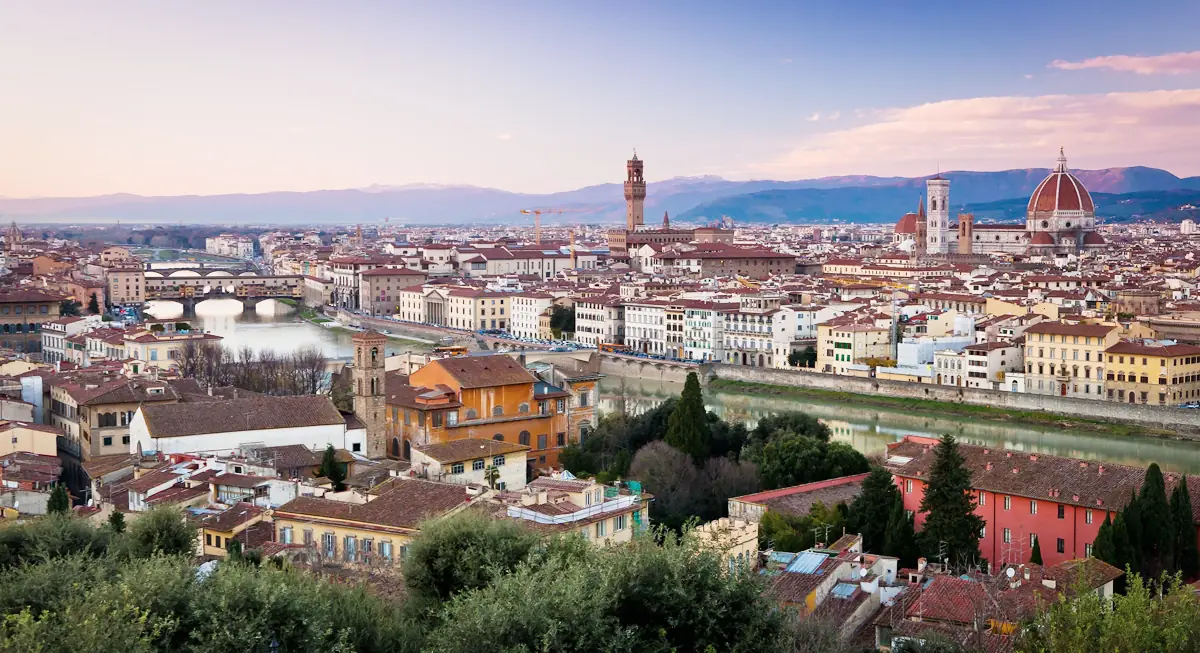
Florence is widely known for its art and architecture, but it has also played a key role in shaping the history of perfumery in Europe. For centuries, the city has been crafting fragrances through a mix of herbal knowledge, trade influences, and hands-on experimentation.
Florence’s story comes through more clearly in scent than in words. When you create your own fragrance, you join a tradition that has existed here for generations.
Where Fragrance Becomes Personal
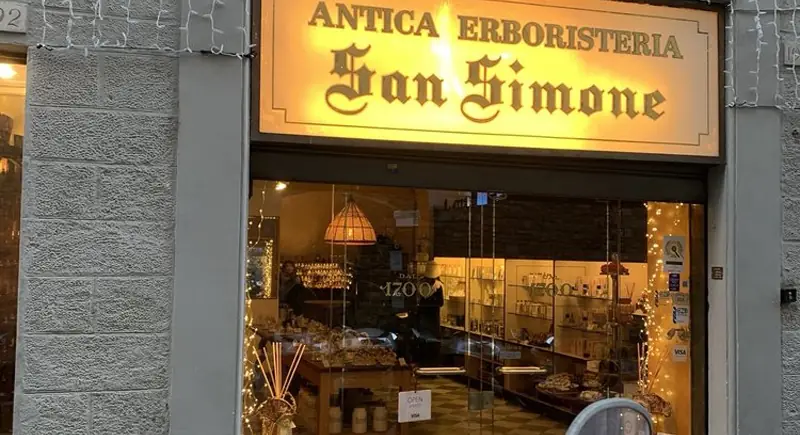
Inside Antica Erboristeria San Simone, the process begins with choosing from a selection of essential oils. Each oil has a distinct profile, ranging from heavier notes like musk and patchouli to lighter options such as citrus and floral extracts. There is no fixed formula, but a structure guides the process.
A fragrance is built using three layers. Base notes form the foundation and last the longest, often for several hours. Heart notes define the scent’s main character and remain noticeable for a few hours. Top notes are lighter and fade quickly, but they shape the first impression.
With guidance from a perfumer, each component is measured and blended into a small bottle. The mixture then needs time, usually around a month, to mature before it fully develops.
A City That Shaped the World of Perfume
View this post on Instagram A post shared by Officina Profumo-Farmaceutica di Santa Maria Novella (@santamarianovella1221)
Florence’s connection to perfume dates back to the 13th century. Dominican friars at Officina Profumo-Farmaceutica di Santa Maria Novella began cultivating herbs for medicinal use and later experimented with extracting oils for fragrance.
During the Renaissance, perfume became more refined and widely used, especially among elite circles associated with the Medici family. Trade routes introduced new ingredients, which expanded the range of available scents.
In 1533, Catherine de’ Medici brought Florentine perfume expertise to France when she married into the French royal family, helping establish perfume culture there. Although Paris later became the global center of perfume, Florence remains one of its earliest and most influential origins.
A Craft Still Active Across the City
This tradition has not disappeared. Many workshops, laboratories, and independent perfumeries continue to operate throughout Florence, using both traditional and modern techniques.
The experience at San Simone reflects a broader network of artisans who still produce fragrances in small batches. Some focus on natural ingredients, while others combine them with synthetic compounds to expand the range of possible scents. Hence, the craft continues to evolve while maintaining its historical foundation.
Stepping Deeper Into the World of Scent
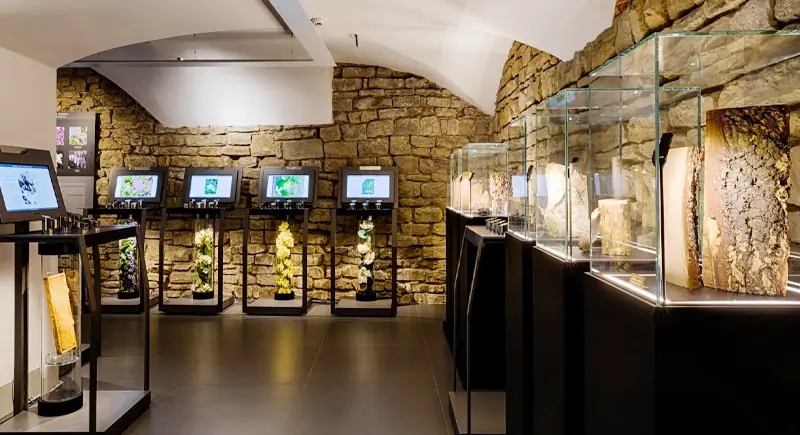
A visit to Museo Villoresi shows how perfumes are made. The museum displays both traditional ingredients and modern methods, so visitors can see the difference between natural extracts and synthetic versions.
One key feature is the Osmorama, a collection of hundreds of scents grouped by type. It shows how fragrances are structured and how different notes come together. Some scents on display, especially certain flowers, cannot be extracted naturally and are created in labs.
Many perfume ingredients come from the local environment. Plants like rose, jasmine, and citrus grow across Florence and are widely used in fragrance making.
Places like Boboli Gardens contain many of these plants. They show where the scents come from and link the final fragrance to its source.
A Legacy You Can Still Wear
At Santa Maria Novella, that early connection between herbal medicine and fragrance is evident in products still made today. One example is Acqua della Regina, originally created for Catherine de’ Medici. The fragrance combines citrus and floral elements and remains in production to this day.
This continuity shows how Florence’s approach to perfumery has remained consistent even as it evolves. Rather than constantly changing formulas, many producers continue to refine and reproduce established scents.