Carl Emil Pettersson was born in 1875 near Stockholm. By his late teens, he worked aboard merchant ships moving goods across Europe and the Pacific. By the end of the 1890s, he sailed under contract for a German trading company operating near New Guinea by transporting supplies tied to copra, a key export used to produce oil and industrial materials.
On Christmas Day 1904, his ship, Herzog Johan Albrecht, sank near the Tabar Group, a remote chain northeast of New Ireland. He did not return to Europe, register as a casualty, or fade into maritime records. Instead, his name later appeared in Swedish newspapers associated with wealth, power, and a royal title tied to a small island.
Survival Turned Opportunity

Pettersson survived the wreck and reached land after hours in the water. Tabar Island had limited contact with Europeans at the time, and he encountered local villagers who brought him before their ruler, King Lamy. Accounts agree on two factors that shaped what followed. Pettersson possessed unusual physical strength, and he had a keen understanding of trade. He proposed establishing coconut plantations that could bring a steady income to the island.
This arrangement changed his status quickly. His ability to generate wealth gave him influence, and his willingness to respect local customs built trust. The king approved his plan and later agreed to a marriage between Pettersson and his daughter, Princess Singdo. They married in 1907.
Building Power Through Trade
Pettersson entered the copra business at the right moment. Coconut products fueled international demand, and plantations offered consistent returns. He founded an operation known as Teripax and later expanded to nearby islands, including Simberi and parts of the Lihir Group. Islanders reportedly called him “Strong Charley,” a nickname tied to both his strength and his work ethic.
When King Lamy died, island leaders selected Pettersson as his successor. He controlled trade, maintained relationships with outside buyers, and treated workers with fairness. Over the next decade, he and Singdo raised nine children.
Fame Reaches Sweden

News traveled fast once Swedish newspapers caught hold of the story. Articles portrayed Pettersson as a larger-than-life figure, often exaggerating the dangers and adventures associated with island life. His letters and interviews fed public curiosity. These stories later influenced popular culture, including characters created by Swedish author Astrid Lindgren, whose fictional sailor-turned-king echoed elements of Pettersson’s life.
Loss, Illness, and Decline
Sadly, stability did not last, and Singdo died in 1921 after childbirth, a loss that weakened both Pettersson’s personal life and political position. He returned to Sweden seeking support and eventually remarried Jessie Louisa Simpson. They went back to Tabar in 1923, but the plantations had declined during his absence. Market shifts hurt copra prices, and malaria affected both Pettersson and his new wife.
A discovery of gold on Simberi Island briefly restored his finances, but the health problems continued. Jessie left the Pacific for treatment and later died in Sweden in 1935. That same year, Pettersson departed the island permanently. He reached Australia but never returned home, dying of a heart attack in Sydney in 1937 at age 61.
A Legacy That Refused to Fade
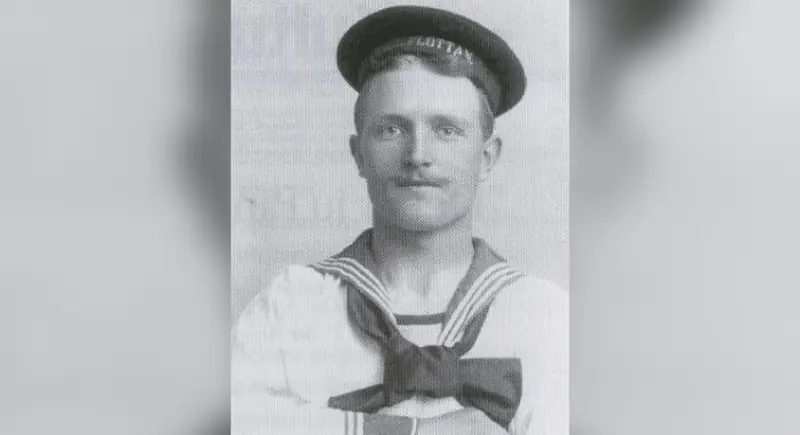
Pettersson’s life left traces across continents. One of his sons later inherited leadership on Tabar, and stories about the Swedish king of a Pacific island continued to circulate in Europe and New Guinea alike. His rise hinged on survival, trade, and timing rather than conquest.