Dollar bills consistently appear on the walls of Southern dive bars, even though the bars differ by age, size, and location. The bills are usually signed, dated, and left in plain sight, then allowed to accumulate over years or decades.
Despite how widespread the habit is, there is no single, documented origin that explains why it started. Patrons simply added a bill because others had done it before them, and over time, the walls became informal records of who passed through, where they came from, and what mattered enough to write down.
The Popular Story People Like To Tell
View this post on Instagram A post shared by Southern Living (@southernlivingmag)
The most common explanation traces the habit back to working-class practicality. Miners, fishermen, and laborers supposedly left a dollar behind during good weeks so future versions of themselves could afford a drink during hard times.
But the problem is timing. Paper dollar bills did not circulate in the United States until the early 1860s, and before that, a dollar had more value than it does now. Leaving it behind would have felt closer to losing real money than setting aside spare change. This mismatch complicates the idea that this tradition goes back to frontier life.
Why History Pushes Back
Historians who study bars and drinking culture tend to treat the miner’s story as folklore. Early saloons cared about profit and survival, not wall decor, and many of the bars famous for dollar-covered ceilings did not open until the mid-20th century.
Another explanation fits the timeline better. During the early and mid-1900s, pilots carried signed bills known as short snorters. These autographed notes served as social markers and friendly challenges; failing to produce one meant buying a drink. This custom centered on memory, proof, and shared moments, all ideas that later show up on bar walls.
How The Habit Turned Symbolic
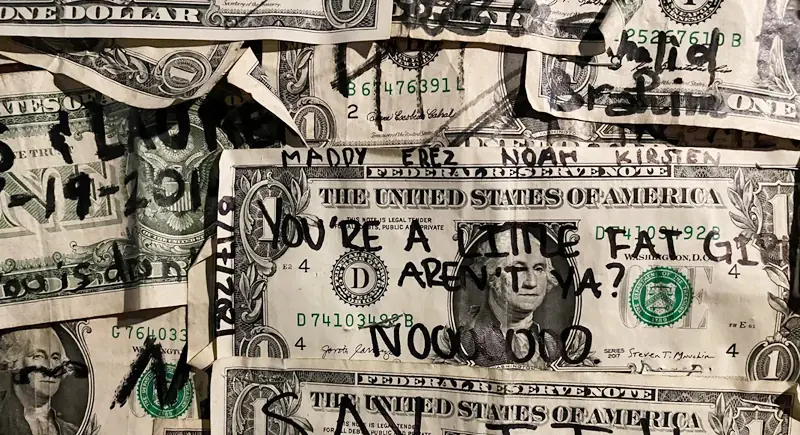
Once the bill stopped functioning as backup cash, it took on a different role. Signing a dollar became a low-risk way to leave something behind. The amount stayed small enough to feel painless, and the act felt personal without crossing into sentimentality.
Southern bars leaned into that balance. Regulars recognized names from years past, and visitors added theirs without disrupting the place. The practice also adapted when needed. During the pandemic, several bars removed bills to support staff or local causes.