Most people believe all sunken ships recovered from the ocean are filled with chests of gold and other treasures. The reality is much weirder. Freezing saltwater and deep mud often act like a giant freezer for objects that usually rot away. So, these underwater time capsules end up preserving things, such as ancient snacks and high-tech gadgets, that resemble futuristic items. Gold is great, but these bizarre finds tell a much cooler story.
200-Year-Old Beer
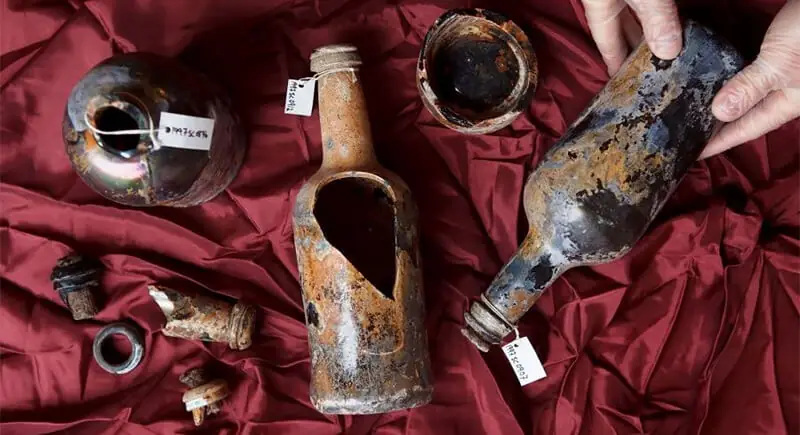
Icy water near Tasmania acted as a natural refrigerator for the Sydney Cove after it sank in 1797. When divers reached the site nearly two centuries later, they pulled up sealed glass bottles containing live, dormant yeast. Researchers successfully grew this rare hybrid strain for brewing, and a local company eventually produced a porter using the historic microorganisms. This “Wreck” ale gave modern drinkers a spicy, funky taste of the past.
The Antikythera Mechanism
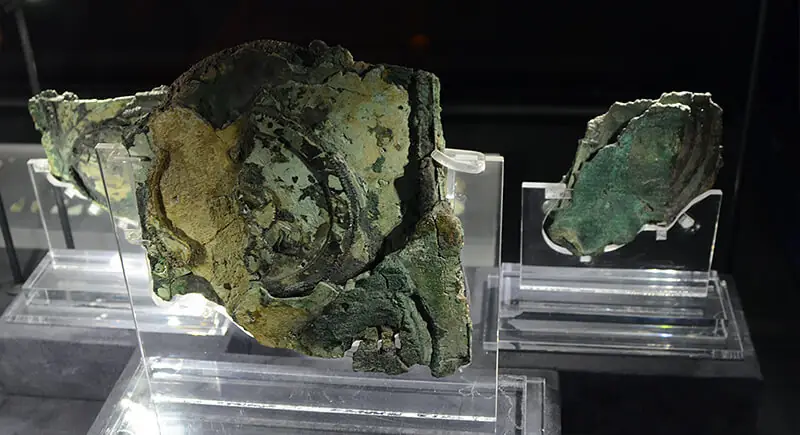
A lump of corroded bronze sat in a museum for years before anyone realized it was a 2,000-year-old analog computer. The device, recovered from a Roman wreck in 1901, uses dozens of intricate gears to track celestial movements. It predicted eclipses and the dates of ancient athletic games with startling accuracy. Nothing this technologically complex appeared again for another thousand years. This mechanical marvel remains one of the greatest mysteries of the ancient engineering world.
A 1st-Century Medical Kit
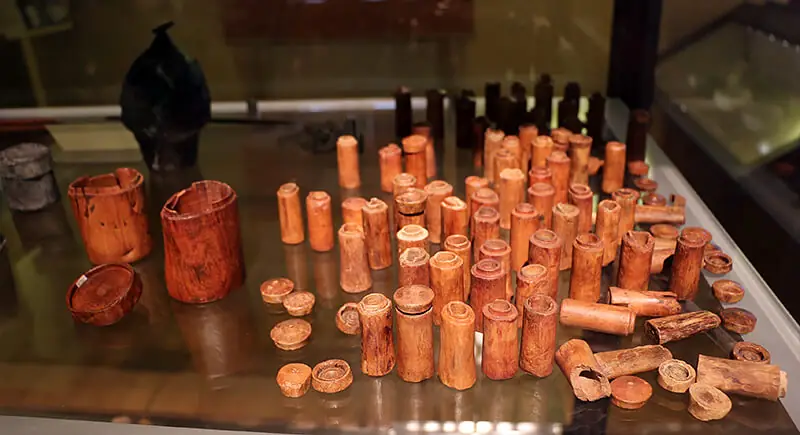
Physicians in the ancient world were surprisingly prepared for maritime emergencies. Excavations of the Relitto del Pozzino, a shipwreck off the coast of Italy, revealed a tin vessel filled with compressed tablets. These circular pills contained zinc compounds along with organic substances, including pine resin and starch. Some researchers believe sailors used these concoctions as eyewashes or skin treatments. The discovery represents one of the earliest examples of manufactured medicine ever found in a nautical context.
A Collection Of Ivory Tusks
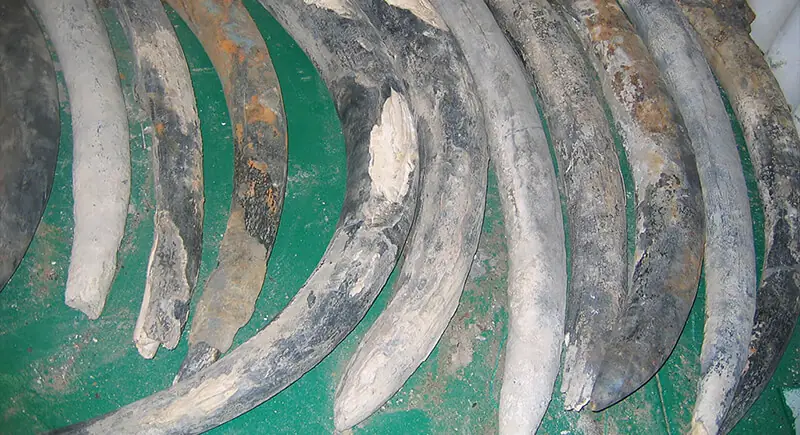
Genetic testing solved the mystery of a 16th-century Portuguese trading ship discovered in a diamond mine in Namibia. The Bom Jesus carried over 100 elephant tusks when it vanished in 1533. Scientists analyzed the DNA from this ivory and traced the animals back to seventeen distinct herds in West Africa. This collection of white and sturdy ivory provides a map of ancient trade routes and the ecological history of elephant populations.
A Chunk Of Battleship Cheese
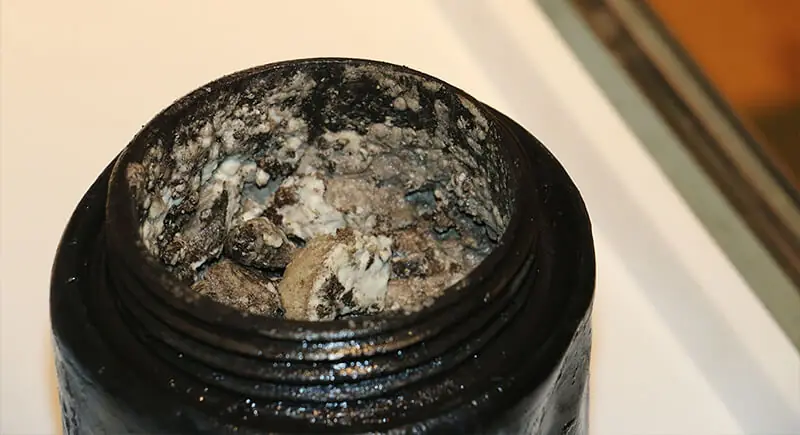
A sealed tin found on the 17th-century Swedish warship Kronan contained a thick, dairy-based surprise. Researchers identified the substance as cheese that had survived in the cold seabed environment for roughly 340 years. Expedition leader Lars Einarsson said it smelled like a mixture of yeast and Roquefort once it reached the surface. The find showed that organic food remains can sometimes survive for centuries under low-oxygen underwater conditions.
The Pulaski Pocket Watch
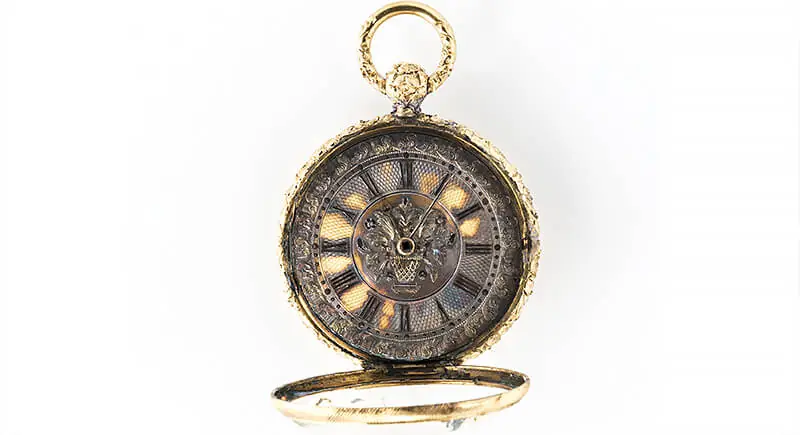
One gold timepiece recovered from the steamship Pulaski serves as a mechanical witness to a disaster. The luxury vessel exploded off the North Carolina coast in 1838 during a midnight run. When divers located the watch 180 years later, its hands remained stuck at 11:05. This timing perfectly matches survivors’ accounts of the boiler failure. It is a hauntingly precise record of the exact moment the ship began its descent into the dark Atlantic.
Ancient Smart Tablets
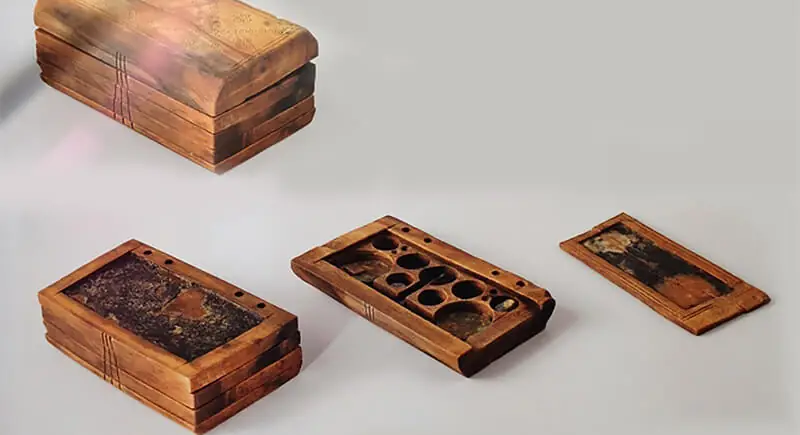
This wooden notebook from a Byzantine wreck looks like an ancestor of the modern iPad. The device features five stacked panels coated in wax for writing notes. It also includes a sliding compartment that likely held small weights used in testing precious metals. Different theories exist to explain its use, and archaeologists believe it was a multifunctional merchant tool in the Byzantine trading world.
Wallace Hartley’s Violin

The Titanic bandleader famously played music as the great ship slipped beneath the waves in 1912. Wallace Hartley died in the tragedy, but his violin was later found strapped to his body inside a leather case. The instrument survived the submersion and was eventually returned to his fiancée in England. It sat in an attic for generations before being rediscovered and sold at auction. Today, it stands as a poignant symbol of bravery and musical devotion.
Baltic Sea Champagne
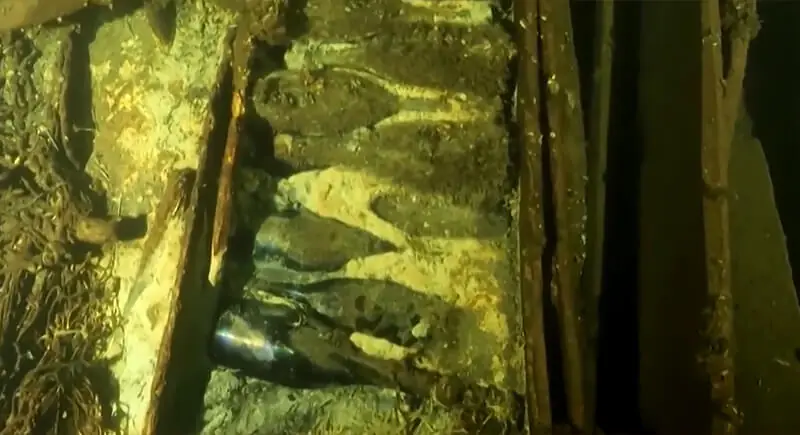
Divers investigating a 19th-century schooner near Finland stumbled upon 168 bottles of perfectly preserved champagne. The dark, pressurized seafloor provided the ideal conditions for a long-term cellar. When experts finally popped the corks, they found the 170-year-old wine was still drinkable and surprisingly sweet. Chemical analysis revealed that vintage winemakers employed significantly higher sugar levels than modern producers. This discovery changed the historical perception of the tastes of high-society drinkers from the 1800s.
Intact 17th-Century Silk Dress
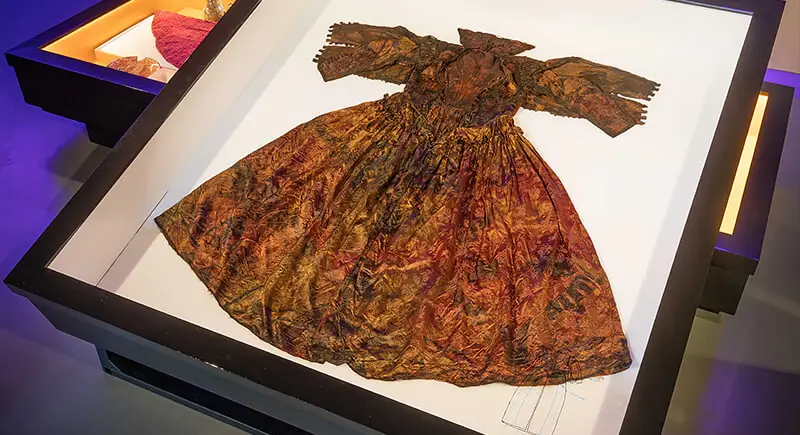
Archaeologists found a nearly perfect silk gown inside the mud surrounding a shipwreck off the Dutch island of Texel. Most textiles rot away within years, but this 1640s garment still carries its intricate patterns and silver thread. Experts believe the dress likely belonged to a noblewoman or a member of the royal court. The lack of oxygen in the seabed silt prevented the delicate fibers from breaking down over the centuries.