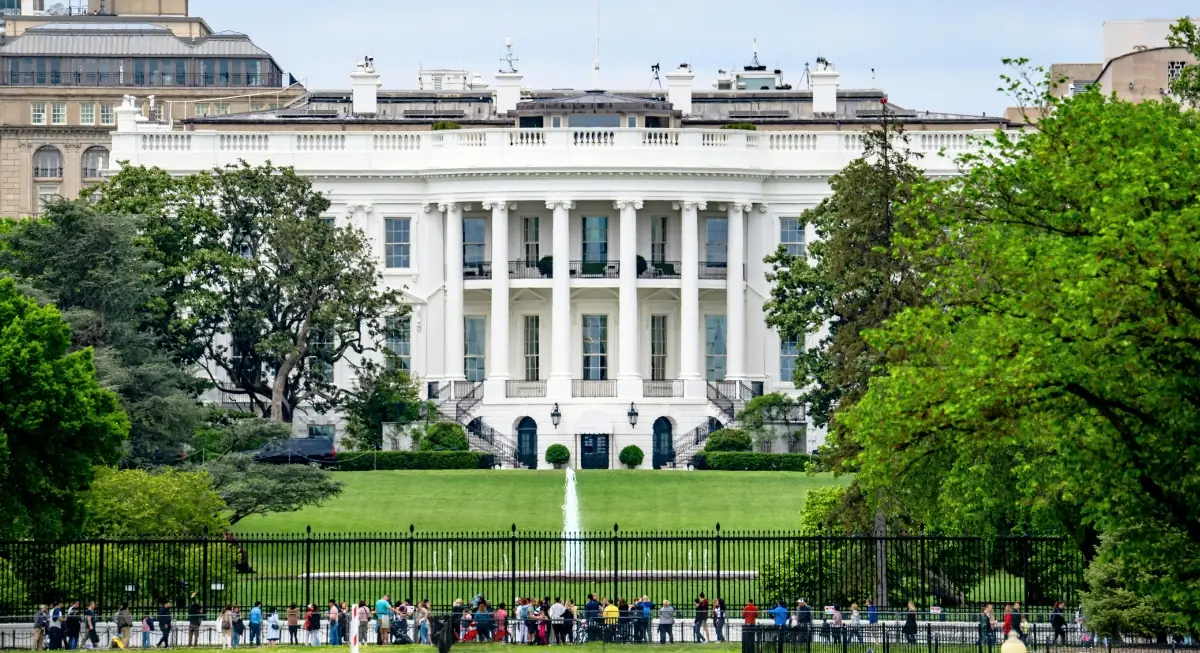
The White House contains 132 rooms spread across the Executive Residence, West Wing, East Wing, and several basement levels. Public tours pass through a small set of ceremonial rooms, including the East Room, State Dining Room, and Blue Room. Most of the building functions as a workplace, residence, and logistics center for the presidency. Many rooms serve operational purposes and are not included on visitor routes.
Family Theater
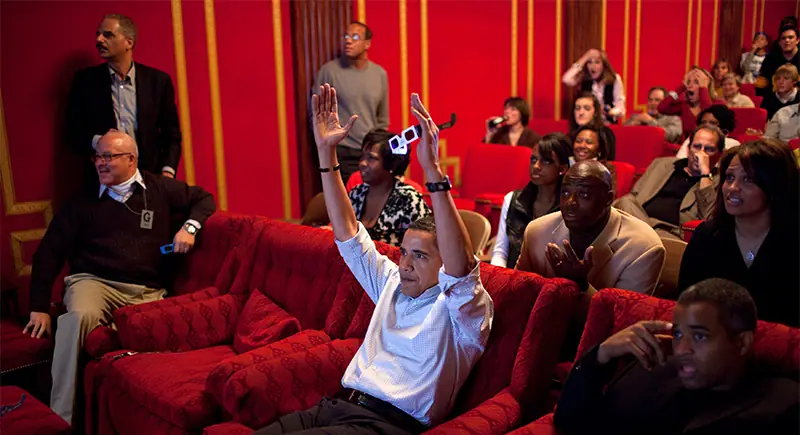
Franklin D. Roosevelt converted a former cloakroom into a theater in 1942 to formalize film showings that had already been held at the White House since the early 20th century. The screening room is in the East Wing, with seating for about 42 people. Studios frequently send advance copies of films for private screenings requested by the president. The front row contains four large chairs reserved for the president and members of the First Family, while the remaining seats resemble a small commercial theater.
Bowling Alley
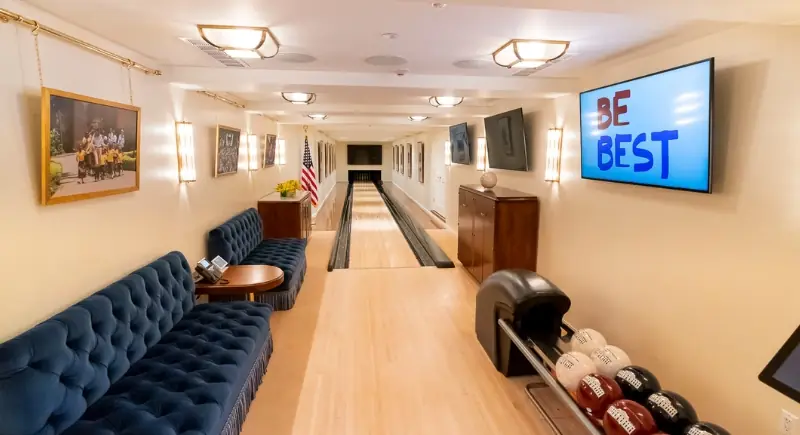
The current bowling lane occupies space beneath the North Portico. Richard Nixon installed it there in 1969 after relocating an earlier alley built for Harry Truman in 1947. The facility consists of a single lane rather than a full bowling center. It functions primarily as a recreational feature for presidents and invited guests.
Calligraphy Office
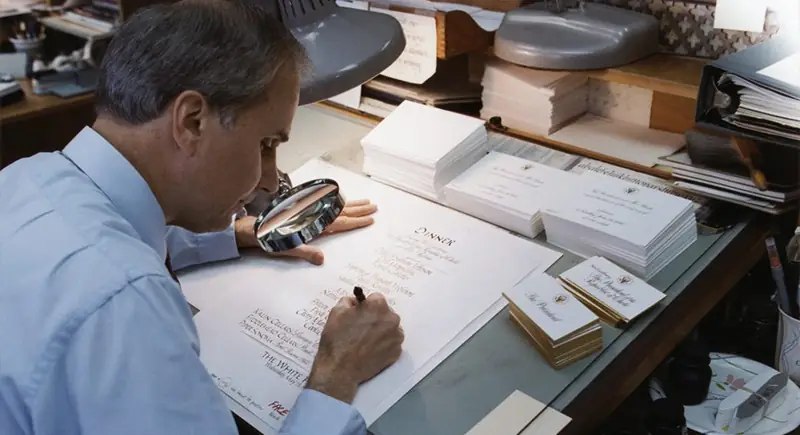
Inside the East Wing, a small team of calligraphers produces handwritten materials used for official White House events. Invitations, place cards, greeting cards, and ceremonial documents all pass through this office. The calligraphy staff works closely with the White House Social Secretary to prepare for state dinners and diplomatic events. Their work also includes formal documents such as presidential awards and military commissions.
Flower Shop
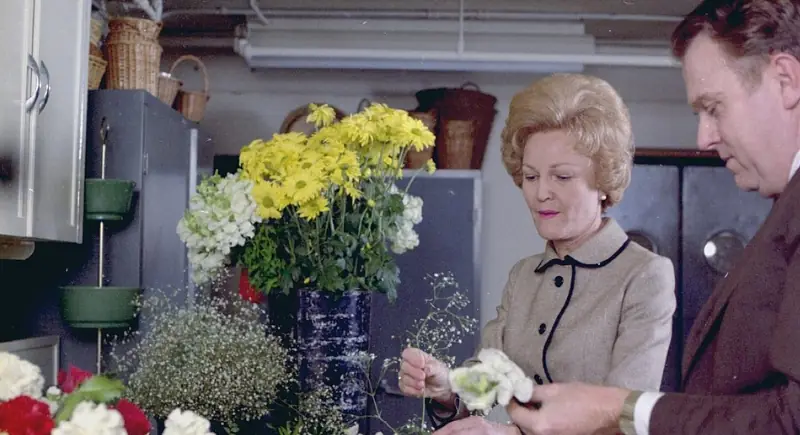
The basement workspace functions as the central floral preparation area for the building. Arrangements used in state dinners, inaugurations, and official receptions are assembled here before being distributed throughout the residence and ceremonial rooms. The White House once maintained greenhouses that supplied its flowers, but those structures were removed during a major renovation in 1902. Today, the florist purchases flowers in bulk and stores them in refrigeration until arrangements are needed.
Chocolate Shop
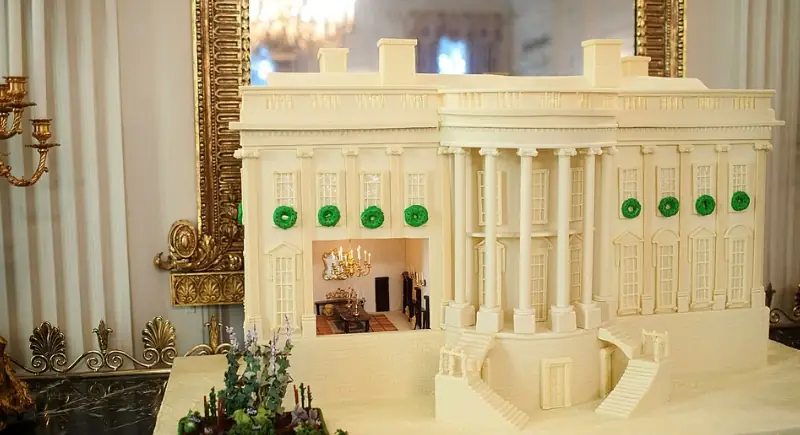
Part of the White House kitchen complex is dedicated to producing desserts and decorative confections for official events. Chefs use this workspace to prepare chocolate centerpieces, pastries, and other sweets served during formal dinners. The kitchen becomes especially active before the annual Easter Egg Roll, when staff create themed treats and large chocolate displays for the event.
Navy Mess
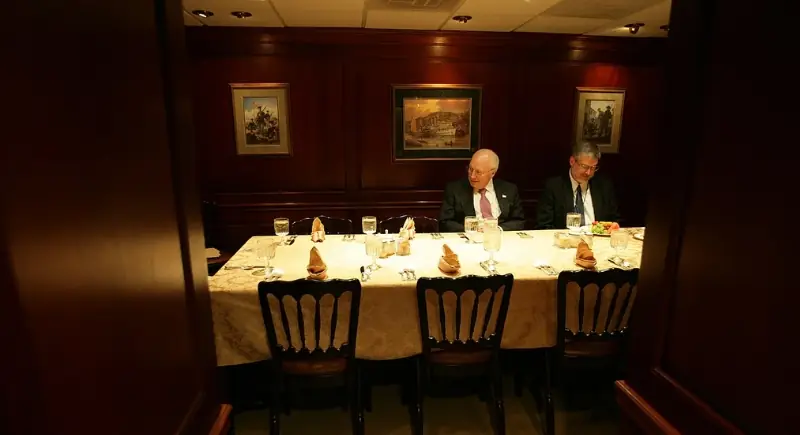
On the ground floor of the West Wing, there’s a compact dining facility operated by the United States Navy. Known as the White House Mess, it serves meals to senior staff, cabinet members, and visiting officials. The dining room seats roughly 50 people. Naval personnel manage food service and logistics.
Map Room
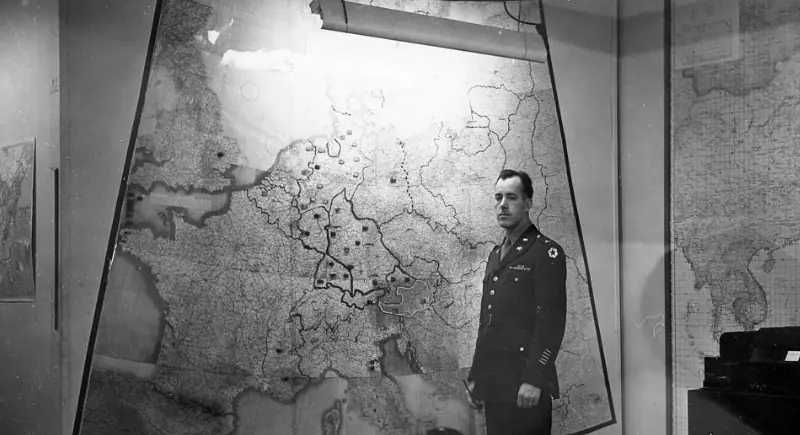
During World War II, this ground-floor room became a military planning hub. Franklin D. Roosevelt used it to monitor global battle developments through a collection of large maps organized by region and theater of war. Modern presidents no longer conduct military briefings there, since those responsibilities shifted to the Situation Room. The Map Room now hosts small receptions and occasional television interviews.
China Room
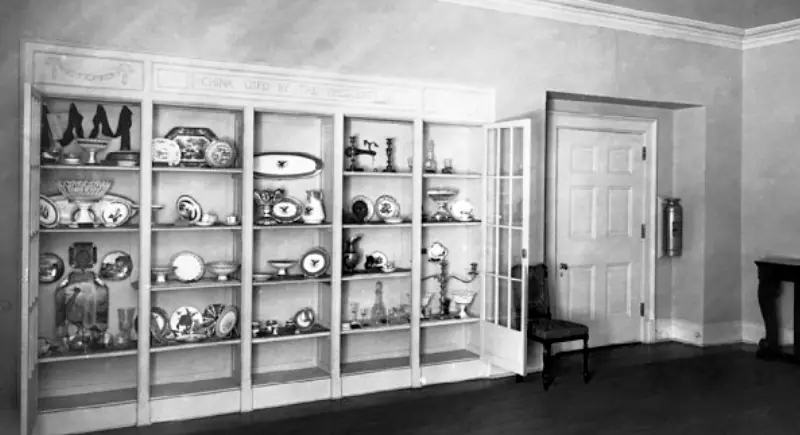
The China Room houses the official presidential china collection. First Lady Edith Wilson formally designated the room in 1917 after the White House accumulated multiple sets of state dinner service. Each administration commissions its own china pattern, meaning the collection now represents numerous presidencies. The room preserves and displays pieces dating back to George Washington’s era.
Vermeil Room
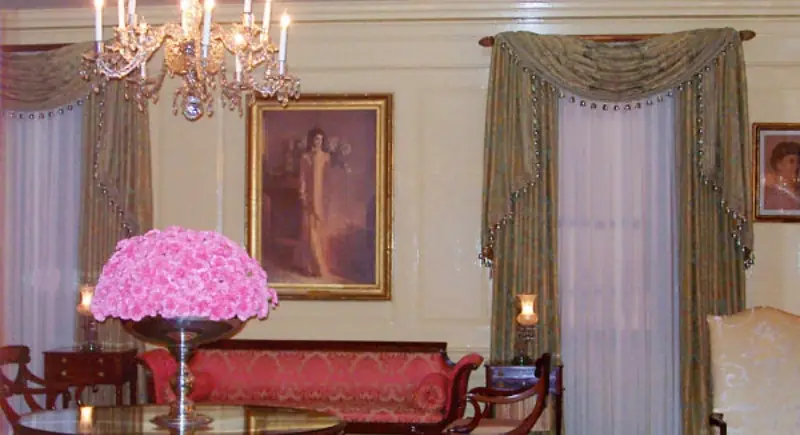
Adjacent to the China Room is a gallery displaying a collection of gilded silver tableware known as vermeil. The collection entered the White House in 1956 when Margaret Thompson Biddle donated it to the government. Portraits of First Ladies line the room’s walls.
Private Study
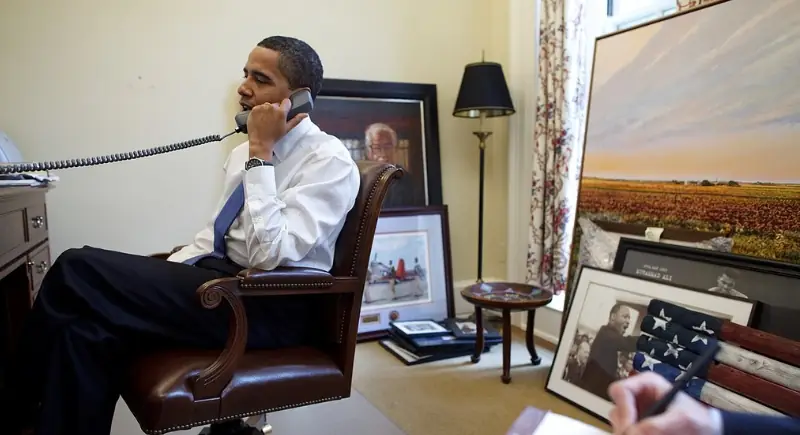
Across the hallway from the Oval Office is a smaller workspace known as the Oval Office Study or Private Study. The room provides the president with an additional place to work outside the main office. The space includes a private bathroom and a small kitchenette. Its location inside the West Wing places it within the most secure operational area of the complex.