The ability to speak multiple languages puts you steps ahead of singular speakers. Whether for gaining a deeper cultural understanding of a country or for the simple necessity of co-existing and even performing business, multilingual speakers put themselves at the forefront of new possibilities. Furthermore, learning a new language enhances your worldview, improves nonverbal communication, helps you multitask and aids in your brain adapting and responding to new circumstances.
Beginning language learners may want to start with an easier language, such as Spanish, German or Italian. However, if you’re up for a challenge, these are the 25 hardest languages to learn.
25. Croatian

No. of speakers: 5.5 million Where it’s most commonly spoken: Croatia
Why Croatian Is So Difficult to Learn

A part of the Slavic language group, Croatian is considered one of the most difficult languages to learn. Croatian has seven cases, while English only has three. In addition, Croatia is a small country with different dialects, making it difficult to grasp just one of them if you’re trying to immerse yourself in the language while there. RELATED: How to Learn a New Language
24. Tagalog

No. of speakers: 74 million Where it’s most commonly spoken: Philippines
Why Tagalog Is So Difficult to Learn

An Austronesian language, Tagalog features a complicated grammar and sentence structure that make it hard to learn. Having originated in the Philippine islands, Tagalog is the first language of most Filipinos. One of the most intriguing aspects is that emphasis can completely change the meaning of certain words. Take a look at the word “suka.” If you emphasize the first syllable (“SU-ka”), then you’re saying “vomit.” If you emphasize the second (“su-KA”), then you have “vinegar.” Very different!
23. Danish

No. of speakers: 6 million Where it’s most commonly spoken: Denmark, Greenland, Faroe Islands
Why Danish Is So Difficult to Learn
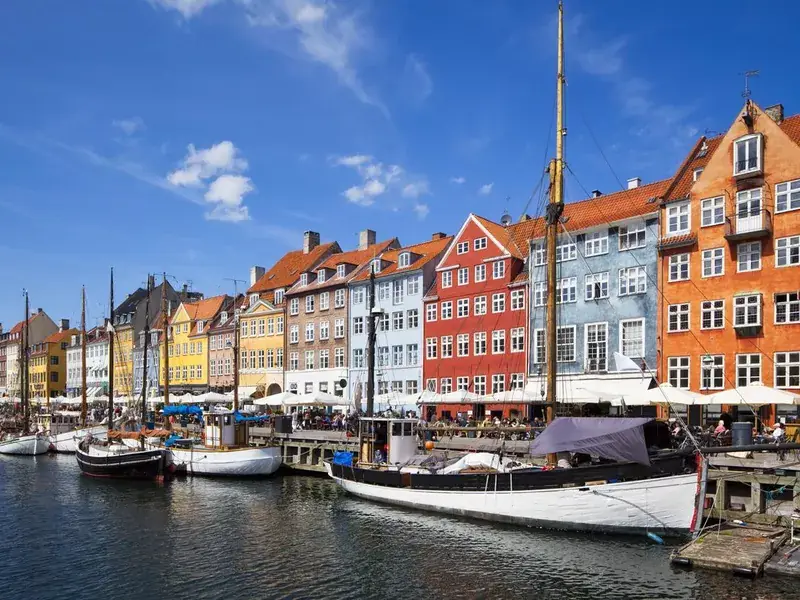
Pronunciation makes Danish one of the most difficult languages to learn. Phonetically, there are more than 20 vowel sounds in the Danish language. Meanwhile, written Danish has three more vowels than the English alphabet: Æ, Ø and Å. The Æ most often sounds like the E in “women,” and Å to the O in “rope.” The Ø has no exact equivalent in most English accents. The silent D, can really throw learners for a loop, with the DD in jeg hedder sounding more like an L.
22. Gaelic

No. of speakers: 1.2 million Where it’s most commonly spoken: Ireland
Why Gaelic So Difficult to Learn

Along with finding places to use Gaelic (there’s a major drop in usage in Ireland, never mind globally), the language also has many grammatical cases and dialects that prove hard to pick up. It uses VSO (verb, subject, object) word order, which can be tricky for most.
21. Bulgarian

No. of speakers: 10 million Where it’s most commonly spoken: Bulgaria
Why Bulgarian So Difficult to Learn
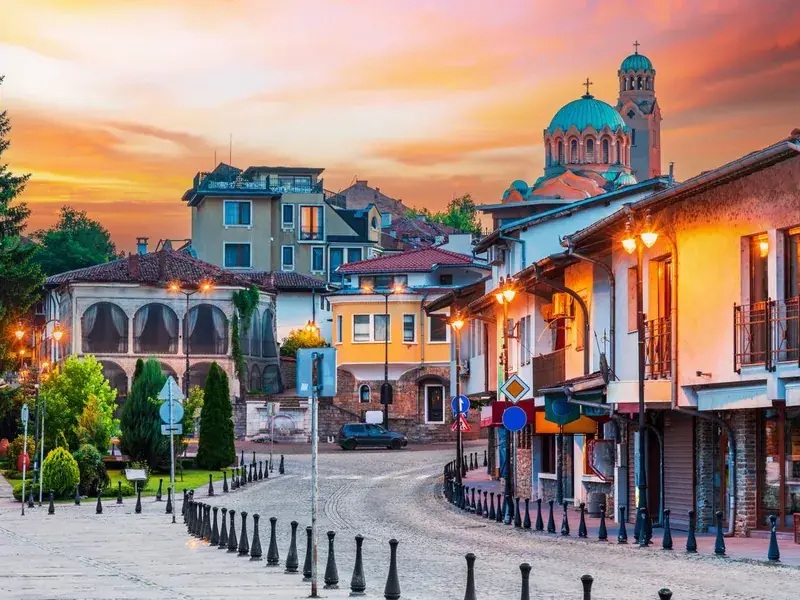
Bulgarian uses the Cyrillic alphabet, which can be tough for English speakers to learn. The verb conjugations can be intimidating, too, with many more variants and combinations to comprehend than other Slavic languages. For English speakers, an additional concern is the three gendered nouns. All adverbs and adjectives must have the same gender.
20. Serbian

No. of speakers: 12 million Where it’s most commonly spoken: Republic of Serbia, Bosnia, Herzegovina, Montenegro, Kosovo
Why Serbian Is So Difficult to Learn

This Slavic language consists of two scripts (Cyrillic and Latin), seven tenses and a consonant (R) that is also sometimes a vowel. Gender plays a big part as well. For example “uenik,” translates to “male student.” Some individual letters prove tricky as well. For instance, the letter Š is similar to SH (shampoo, shower, shop).
19. Czech

No. of speakers: 10 million Where it’s most commonly spoken: Czechia
Why Czech Is So Difficult to Learn

Pronouncing Czech words is a nightmare for English speakers. The language is packed with mouthfuls of consonants, making individual words total tongue twisters. Czech also has seven cases to learn, with each masculine, feminine and neutral. Even more intimidating is that each of these cases has plural forms to consider!
18. Albanian

No. of speakers: 7.5 million Where it’s most commonly spoken: Albania, Kosovo
Why Albanian Is So Difficult to Learn

Albanian differs from any other language, even that of its Indo-European classification. It consists of some extinct languages, including Thracian, Illyrian and Dacian, while also featuring some grammar rules and vocabulary from Greek and Latin. Albanian nouns have both a case and a number, requiring the learner to memorize each noun.
17. Georgian

No. of speakers: 4 million Where it’s most commonly spoken: Georgia
Why Georgian Is So Difficult to Learn

Certainly, the most intriguing, yet difficult, aspect of learning Georgian is that it has its own writing system, and many of the letters used look incredibly similar. Articulation can prove a challenge as well, due to the exorbitant consonant clusters.
16. Estonian

No. of speakers: 1.1 million Where it’s most commonly spoken: Estonia
Why Estonian Is So Difficult to Learn
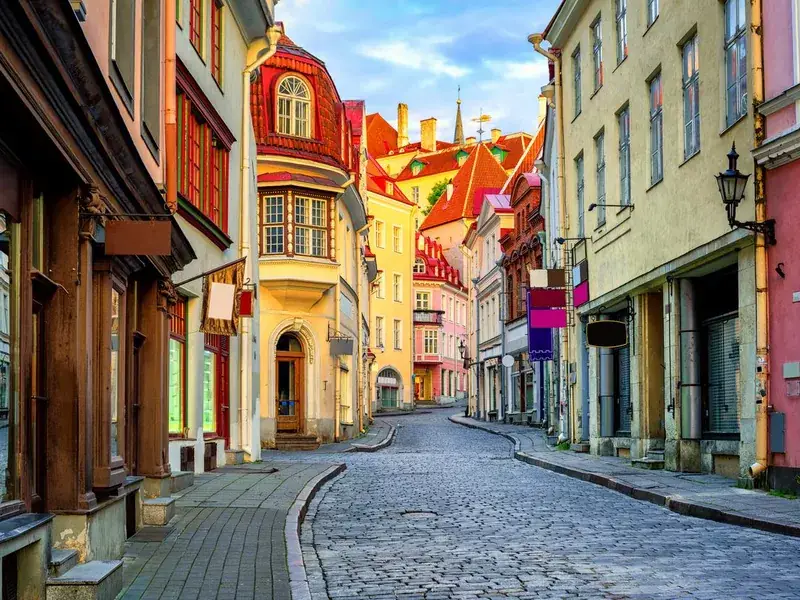
Belonging to the Finno-Ugric family, Estonian is a unique language that can be a challenge to learn. It has an incredible 14 noun cases and grammar packed with exceptions. In addition, consonants and vowels are made up of three specific lengths: short, long and overly long. The way they’re used directs the meaning of the world as well. For instance, “lina” means “linen” in Estonian, but “linna” means “city.”
15. Turkish

No. of speakers: 75 million Where it’s most commonly spoken: Turkey, Cyprus, Bulgaria, Greece
Why Turkish Is So Difficult to Learn

Turkish is filled with extremely long verbs. This is the result of it being an agglutinative language, in which prefixes and suffixes are attached to words to determine meaning and direction. The verb carries the most weight in Turkish. And because it’s placed at the very end of the sentence, you can’t understand the meaning of what’s being said until the sentence is finished.
14. Farsi
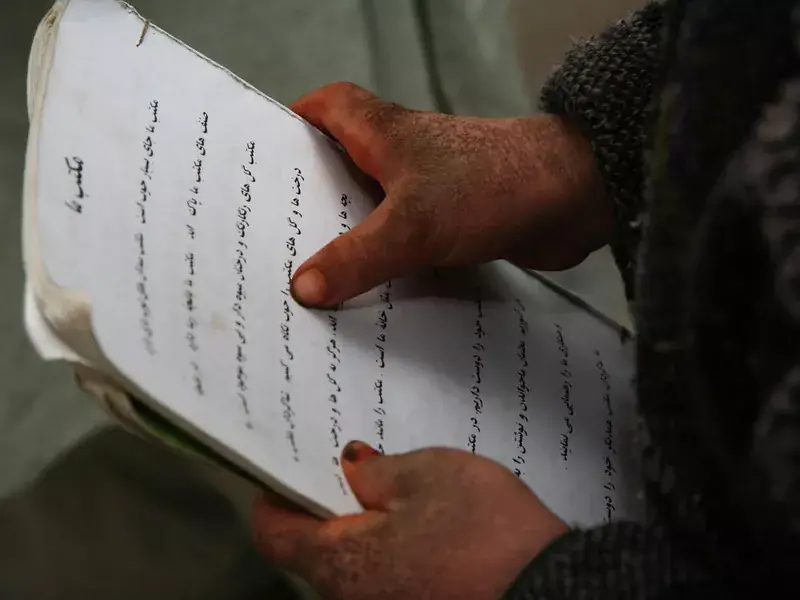
No. of speakers: 110 million Where it’s most commonly spoken: Iran, Afghanistan
Why Farsi Is So Difficult to Learn

Also known as Persian, this Indo-European language is chock full of words English speakers can recognize, thanks to many English words originating from Farsi. However, it remains one of the most challenging languages to learn due to its unique alphabet and script that differ from many western languages. Farsi also reads from right to left.
13. Greek

No. of speakers: 13 million Where it’s most commonly spoken: Greece, Cyprus
Why Greek Is So Difficult to Learn

The oldest living Indo-European language, Greek is an ancient language that’s filled with complications for learners. There are three different genders for nouns and various grammar rules unfamiliar to English speakers. Furthermore, it requires learning the Greek alphabet, which is not a requirement for the majority of European languages.
12. Russian

No. of speakers: 258 million Where it’s most commonly spoken: Russia, Ukraine, Belarus, Poland, Kazakhstan
Why Russian Is So Difficult to Learn
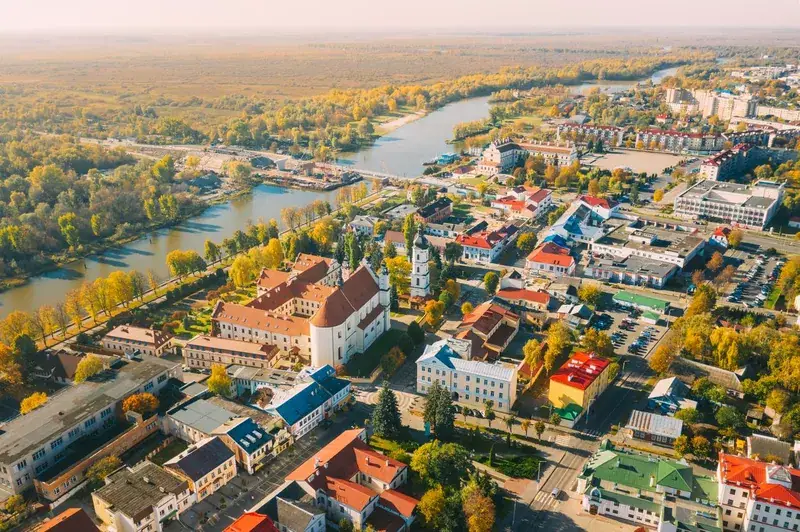
Russian can be difficult for English speakers due to the confusing pronunciation. For instance, while the language is made up of Latin letters, many letters sound entirely different. The letter “b” sounds like “v,” and the letter “h” sounds like “n.” Russian also has many words where consonants are grouped together, which makes spelling and pronunciation difficult.
11. Polish

No. of speakers: 50 million Where it’s most commonly spoken: Poland
Why Polish Is So Difficult to Learn
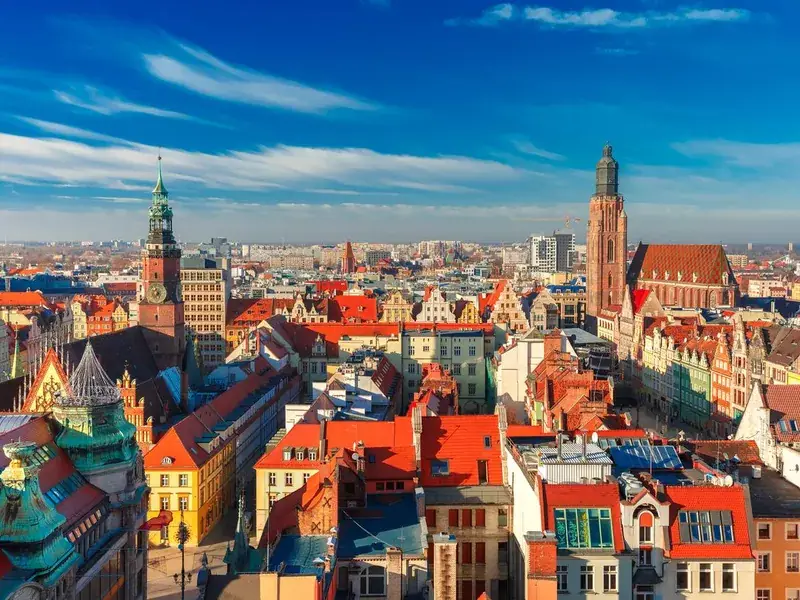
Polish pronunciation can be a doozy for learners. For instance, the Polish word for happiness is “szcezcie,” featuring Polish digraphs (sz, cz) and a nasal E sound. Polish also has seven different grammatical cases that are affected by gender. Another doozy is the 17 different cases for numbers, meaning there are 17 different ways to say one number.
10. Finnish

No. of speakers: 6 million Where it’s most commonly spoken: Finland
Why Finnish Is So Difficult to Learn
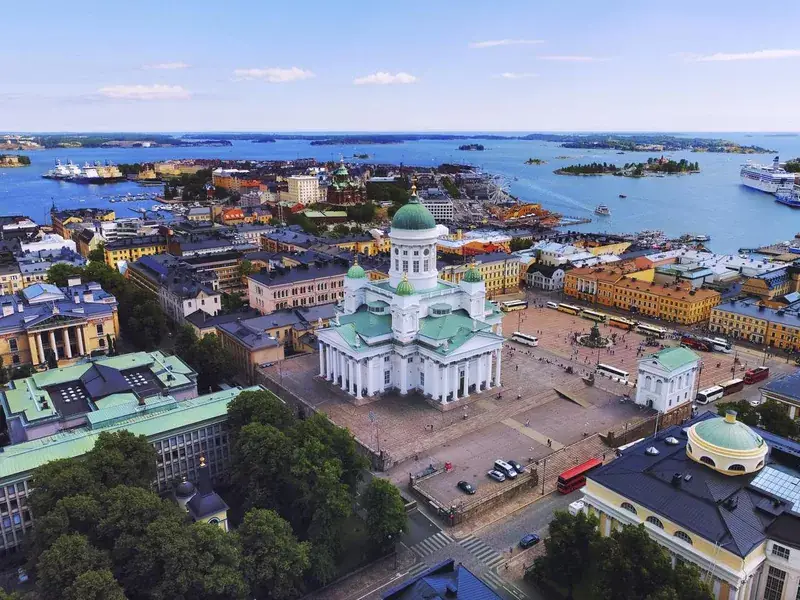
A Finno-Ugric language, Finnish features a complicated verb conjugation, case system, consonant gradation and clitics. For instance, its 15 grammatical cases mean that even the slightest change in the end of a word can alter its meaning. Meanwhile, case endings are added to word stems as suffixes. These endings are used to express the same things propositions do in English.
9. Hungarian

No. of speakers: 13 million Where it’s most commonly spoken: Hungary, Romania, Slovakia
Why Hungarian Is So Difficult to Learn

Hungarian is an agglutinative language. This means that, rather than containing individual prepositions, prefixes and suffixes are added onto words. Often, one word in Hungarian equals a whole sentence. And yet, that one word is mind-blowingly long. The longest word in Hungarian, “megszentségteleníthetetlenségeskedéseitekért,” means “for your continued behavior as if you could not be desecrated” in English.
8. Icelandic

No. of speakers: 350,000 Where it’s most commonly spoken: Iceland
Why Icelandic Is So Difficult to Learn

The Icelandic language remains one of the hardest languages to learn, which makes sense considering the language hasn’t changed since it settled in the ninth and 10th centuries. The archaic language is made up of extremely long words, while the specific syllables are pronounced entirely differently from typical English syllables. The language is also known for having very confusing conjugations.
7. Hindi

No. of speakers: 615 million Where it’s most commonly spoken: India, Fiji, Pakistan
Why Hindi Is So Difficult to Learn

Descending from the ancient South Asian language of Sanskrit, Hindi is a phonetic language, but many sounds are foreign to English speakers. Meanwhile, the written version of Hindi, which is written in Devanagari script, lacks certain phonetic markings that would help learners better comprehend how to pronounce words. The very subtle language features minute changes in sound and context as well.
6. Vietnamese

No. of speakers: 77 million Where it’s most commonly spoken: Vietnam
Why Vietnamese Is So Difficult to Learn

Part of the Austroasiatic language family, Vietnamese can also be difficult to speak due to its foreign pronunciations to English speakers. It has six tonal variations that are determined by diacritics. The language also has a high number of vowel sounds considered difficult for most English speakers to master.
5. Thai

No. of speakers: 60 million Where it’s most commonly spoken: Thailand
Why Thai Is So Difficult to Learn

Thai is a tonal language. To understand it, you must recognize the pitch of a tone in relation to the context of the world and overall sentence. The language features five tones, some of which are not found in the English language. Furthermore, Thai has its own script with 44 consonants, 18 vowels and six diphthongs to memorize.
4. Korean

No. of speakers: 80 million Where it’s most commonly spoken: North Korea, South Korea
Why Korean Is So Difficult to Learn

Despite having what is considered the most logical system of writing in the world — with an alphabet consisting of just 24 symbols, 10 of which are vowels and 14 consonants — the language remains a challenge to learn. So many of the words sound very similar to each other. And because there are no characters, it’s harder to visualize them for memorization purposes. The sentence structure is also very different from English. In Korean, it’s subject, object, verb, unlike in English, which is subject, verb, object.
3. Japanese

No. of speakers: 126 million Where it’s most commonly spoken: Japan
Why Japanese Is So Difficult to Learn

Among the most challenging aspects of learning Japanese is the writing system, which contains tens of thousands of characters referred to as “kanji.” Another intriguing yet foreign concept to many English speakers, for instance, is the emphasis on respectful speech. Known as “keigo,” how you say a word depends on the formality of a situation. One word is capable of 10 different translations as a result.
2. Arabic

No. of speakers: 274 million Where it’s most commonly spoken: Arabian Peninsula, the Middle East, North Africa
Why Arabic Is So Difficult to Learn

Arabic features 28 script letters, is written from right to left and excludes most vowels in words. There are also various sounds made in the language that don’t exist in many other languages. Grammatically, verbs often come before the subject, while there are many dual forms of words in addition to the singular and plural forms.
1. Mandarin

No. of speakers: 1.3 billion Where it’s most commonly spoken: China, Taiwan, Malaysia, Indonesia, Singapore
Why Mandarin Is So Difficult to Learn

Despite being the most widely spoken native language in the world, Mandarin Chinese tops the list of the toughest languages to learn. The language requires the memorization of thousands of special characters. The tonal language also has four tones, so one word can be pronounced four different ways, while each pronunciation has a different meaning. RELATED: How to Master a New Language