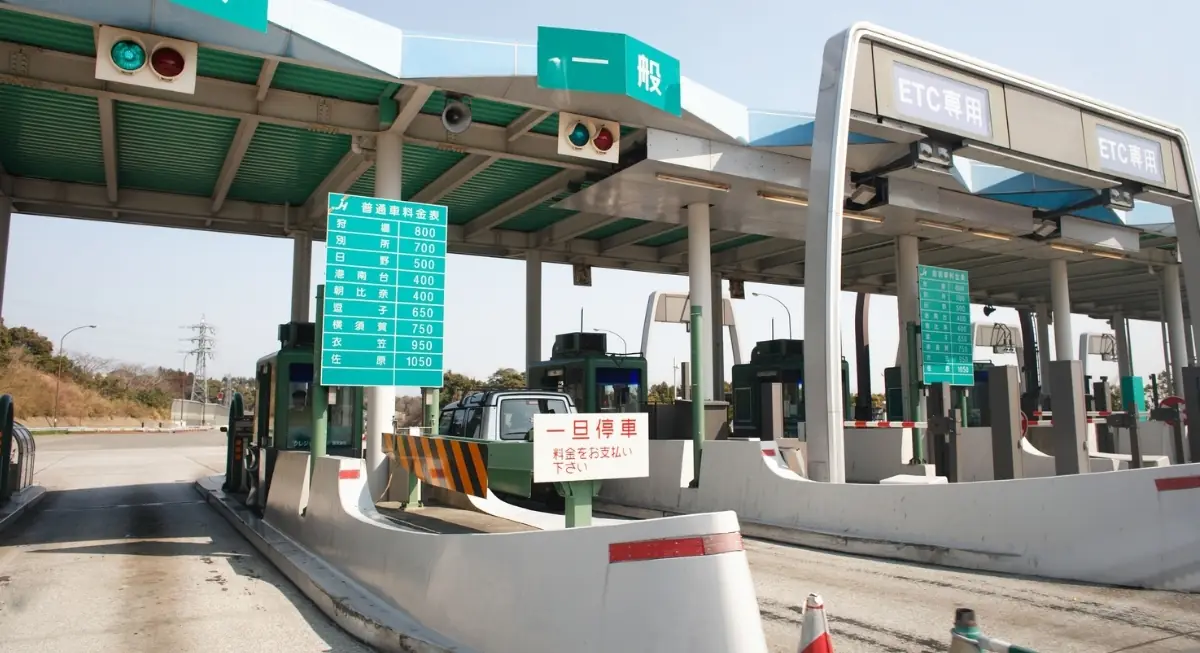
When technology breaks, we usually expect a bit of a mess. Systems go down, people get frustrated, and usually, if there’s a way to skip a bill because of a technical glitch, most people take the win and move on. But in April 2025, Japan’s electronic toll collection (ETC) system experienced a major outage after a technical malfunction. Instead of just taking the free ride, thousands of drivers went out of their way to make sure they paid what they owed.
The outage hit some of the country’s busiest arteries, like the Tomei and Chuo Expressways. For about 40 hours, the sensors that normally ping cards and lift gates just weren’t working. On paper, this was a free pass for anyone on the road. Yet, once the system was back online, over 24,000 people stepped up to settle their accounts manually.
A Test of Trust: Why Pay for a Free Ride?
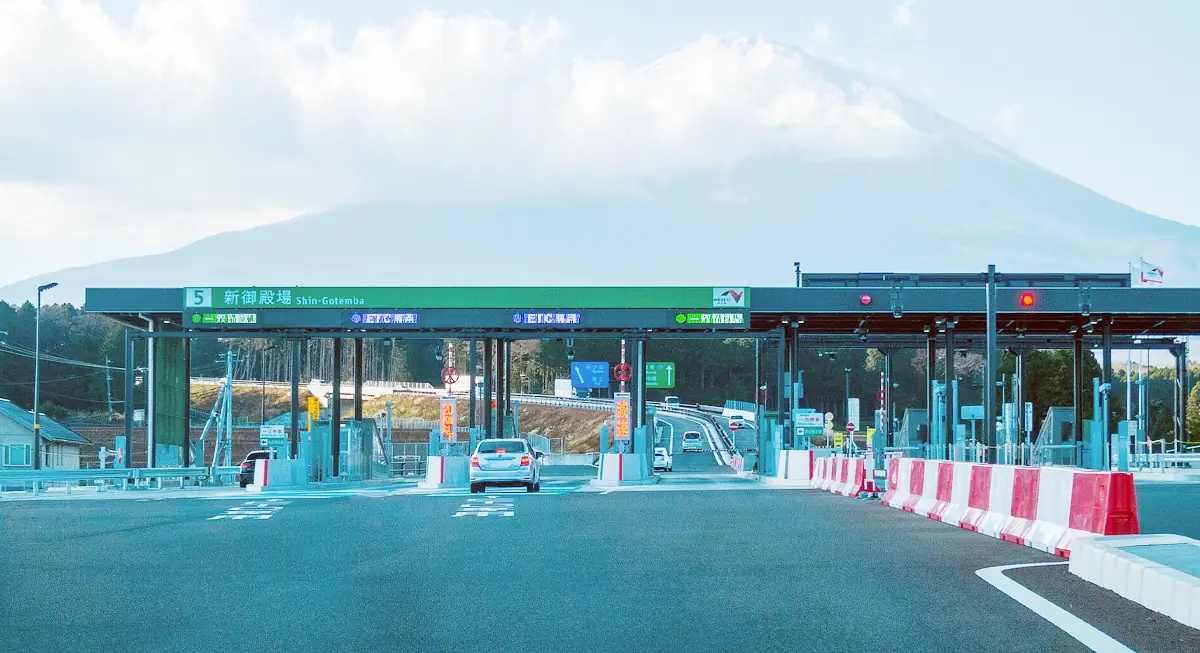
At the time, the toll operators hadn’t even set up a way to track down the people who drove through during the blackout. During the outage, the ETC system could not record toll transactions, so the usual automated billing could not operate, and drivers were asked to pay later online if they wished. From a purely logical standpoint, those drivers had “won.” But that’s not how the situation was viewed on the ground.
While 24,000 might seem like a small fraction of the millions who use those roads, it represents a significant share of those who realized a mistake had occurred and felt a personal responsibility to fix it. These drivers navigated to websites or called in to figure out how to send their money.
The Aftermath
The response from the highway operators, NEXCO Central, was just as telling as the drivers’ behavior. Once they saw the influx of voluntary payments, they realized they were dealing with a massive display of public good faith. Interestingly, because the system failure was their fault, the company eventually decided to waive the tolls for that period entirely.
This cycle of trust is a hallmark of how public systems often function in Japan. It’s less about the fear of a penalty and more about the expectation that everyone plays their part to keep things running smoothly. When the machine stopped working, the human element of the contract stayed intact. It turned a standard IT failure into a quiet moment of national character.